
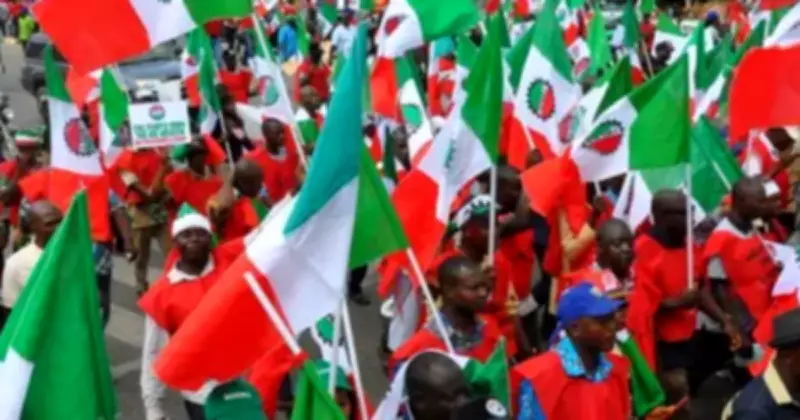
NLC Demands Immediate Relief Measures Following Fuel Price Surge to N1,300 Per Litre
The Nigeria Labour Congress has issued urgent demands to the Federal Government following a dramatic increase in petrol prices across the country. Fuel now costs between N1,170 and N1,300 per litre, a direct consequence of global oil market volatility triggered by escalating conflict in the Middle East.
Labour Union's Comprehensive Relief Package
The NLC is pushing for immediate financial relief for Nigerian workers, arguing that ordinary citizens are unfairly bearing the burden of international crises they did not create. The union has presented a multi-point demand package that includes:
- A comprehensive cost-of-living allowance for all workers
- Tax relief measures specifically targeting low-income earners
- Suspension of all taxes on minimum wage earners, which the NLC describes as economic extortion
- Complete overhaul of government cash transfer programs to ensure transparency and effectiveness
The union insists that any financial assistance programs must be adjusted to reflect current inflation levels, noting that previous initiatives have failed to reach the most vulnerable Nigerians. According to NLC statements, the fuel price crisis has exposed fundamental weaknesses in Nigeria's economic infrastructure.
Refinery Failures and Economic Vulnerability
The labour organization highlighted Nigeria's continued dependence on imported refined products despite billions of naira spent on turnaround maintenance for public refineries in Port Harcourt, Warri, and Kaduna. "This is a direct assault on the Nigerian people," the NLC declared in a statement. "While imperialist rivalries play out abroad with bombs and military escalation, Nigeria's working class is being bombarded with poverty and hunger."
Even the much-anticipated Dangote Refinery has adjusted its pricing to align with global market rates, offering no relief to ordinary Nigerians. The NLC argues that as long as Nigeria maintains a pricing system tied to international market fluctuations, any global conflict or economic crisis will directly impact Nigerian households and transportation systems.
Ground-Level Economic Impact
The practical consequences of the fuel price increase are already being felt across multiple sectors:
- Transportation fares have risen sharply nationwide
- Food inflation continues its upward trajectory
- Workers with fixed wages face increasing financial strain
- Productivity declines as transportation becomes unaffordable
- Social consequences emerge as families struggle with basic needs
The NLC emphasizes that when workers cannot afford transportation to their workplaces, national productivity suffers. Similarly, when families cannot afford adequate nutrition, broader social stability becomes compromised.
Revenue Opportunities and Distribution Demands
Economic projections from the Nigeria Economic Summit Group suggest the country could earn approximately N30 trillion in additional oil revenue due to current Middle East tensions. The NLC is demanding that this potential windfall be directed toward cushioning the impact on ordinary Nigerians who are experiencing the negative effects of higher fuel prices.
The union points to historical patterns where previous oil revenue increases failed to benefit the general population, calling for accountability in how these funds are allocated and distributed. Global oil markets have responded sharply to the Middle East conflict, with Brent crude rising approximately three percent to reach $106.50 per barrel.
Countries dependent on imported refined products, including Nigeria, are experiencing the most direct effects of these market movements. The NLC's demands represent a comprehensive approach to addressing both immediate relief needs and long-term structural solutions to Nigeria's energy and economic challenges.




