
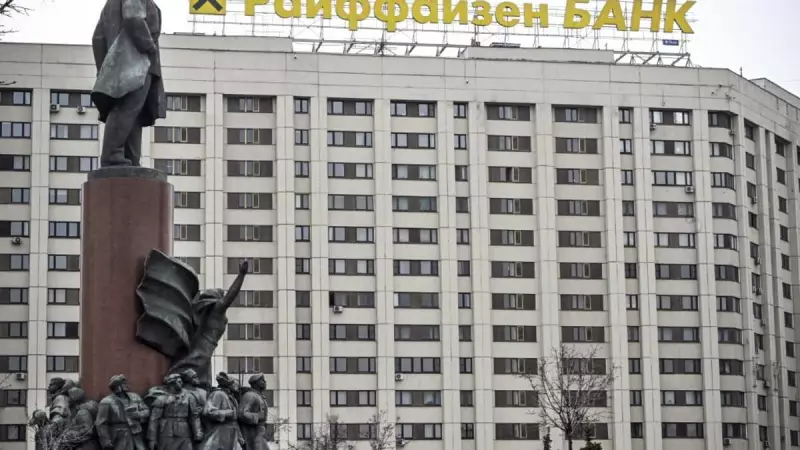
A Russian court has delivered a major blow to one of the last Western banks still operating in the country, ordering Austria's Raiffeisen Bank International (RBI) to pay compensation close to $400 million. The ruling, issued on Thursday, December 18, 2025, stems from losses allegedly incurred by a Russian investment firm due to European Union sanctions.
The Court's Ruling and the Bank's Response
The court mandated that RBI pay 339 million euros in damages to the company Rasperia. The Austrian bank swiftly responded, stating in an official release that the sum reflects funds frozen in Vienna and that it plans to appeal the decision. This legal action adds to the bank's existing troubles in Russia; back in March, RBI confirmed it was liable for over two billion euros in damages to the same firm.
Rasperia is widely reported by authorities in Washington and Brussels to be connected to Russian billionaire Oleg Deripaska. Deripaska has been under Western sanctions since Russia's full-scale invasion of Ukraine in 2022. A significant portion of his wealth is tied to a 24 percent stake in the Austrian construction giant Strabag, a company where RBI also holds shares. However, those shares have been frozen, cutting off the oligarch's access to dividends and influence.
Geopolitical Tensions and Banking Dilemmas
This lawsuit unfolds against a complex backdrop of diplomatic and financial manoeuvring. Austria and Russia are currently engaged in negotiations aimed at repatriating capital trapped between the two nations. However, every potential agreement has been stymied, either by the firm opposition of the US Treasury or by other European Union member states.
Many EU banks chose to exit the Russian market following the 2022 invasion, often accepting substantial losses in the process. The European Central Bank has repeatedly urged all banks to leave Russia, warning of unpredictable risks. Despite this pressure and condemnation from figures like Ukrainian President Volodymyr Zelensky, Raiffeisen has maintained its profitable operations there, though on a steadily declining scale.
Profit, Protest, and an Uncertain Future
RBI's continued presence in Russia remains a point of intense controversy. The bank's own quarterly reports confirm it still generates profit from its Russian activities. This commercial success has been met with significant public backlash; the bank's last shareholder meeting in March was disrupted by activists protesting its ongoing operations in the sanctioned state.
Looking ahead, RBI is pinning its hopes on a resolution to the dispute over Russian assets held in Austria. Vienna has even threatened to block further EU sanctions talks, highlighting the high-stakes nature of the negotiations. The bank's strategy appears to be one of holding out, appealing the Russian court's order, and waiting for a political solution that could allow it to recover its frozen funds and potentially facilitate an exit.




