
Nigerian Woman Shocked by Unexpected COVID-19 Loan Deductions Years After Receiving Funds
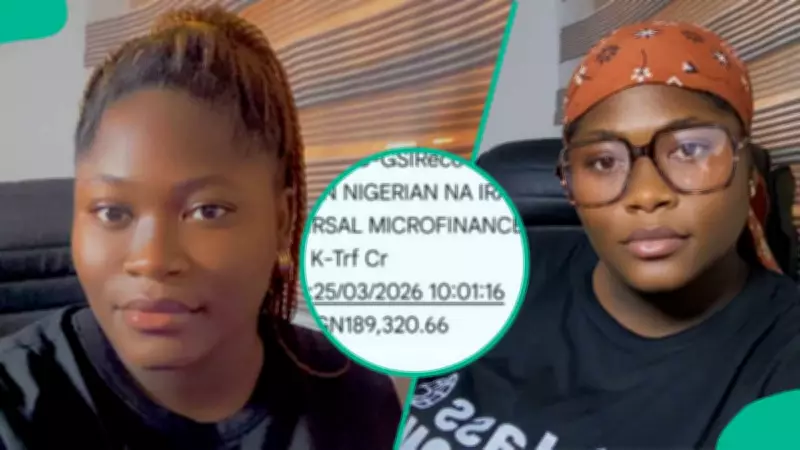
A Nigerian woman, Maria-Goretti Jiwuaku, has taken to social media to express her distress after discovering unexpected deductions from her bank accounts, years after she received a COVID-19 loan of N250,000. In a Facebook post on March 25, 2026, she shared screenshots of debit alerts and appealed for help in understanding her loan balance, revealing that she initially believed the money was a non-repayable empowerment grant.
Confusion Over Loan Repayment Terms
Maria explained that when she received the funds, tagged as "Hope Uzodinma 250k COVID-19 Empowerment," she was led to believe it was a giveaway to cushion the effects of the pandemic lockdown, not a loan requiring repayment. She admitted, "They said it was a dash oh," indicating she thought it was free money. However, three years after receiving the N250k, she began experiencing debits, starting with N110,000 removed from the account used for the loan disbursement.
Recently, the situation escalated as she received additional debits from her other bank accounts, suggesting the loan provider, NIRSAL Microfinance Bank, has access to all her financial accounts linked to her Bank Verification Number (BVN). Maria expressed her frustration, writing, "The debits were from my different accounts which means they have access to all my accounts." She is now seeking clarity on how to check her remaining balance and whether interest has been applied to the loan.
Widespread Issue with COVID-19 Loan Recovery
Findings indicate that this is not an isolated case. Thousands of Nigerians who took COVID-19 intervention loans during the pandemic have faced similar unexpected deductions, with many beneficiaries reportedly misled by facilitators and agents who described the funds as grants rather than repayable loans. NIRSAL Microfinance Bank has been aggressively recovering these loans, leading to a surge in debit alerts across the country since 2025, with increased frequency noted in late 2025.
In a related incident, a man petitioned the Economic and Financial Crimes Commission (EFCC) and Central Bank of Nigeria (CBN) over unauthorized deductions by NIRSAL Microfinance Bank for a COVID-19 grant he received, highlighting broader concerns about transparency and communication in the loan recovery process.
Public Reactions and Advice
The woman's outcry has sparked reactions on social media, with many sharing similar experiences and offering advice. Some netizens suggested practical steps to address the issue:
- Lynda Amarachi Alisigwe advised visiting the nearest NMFB office with her BVN to check the amount paid and balance.
- Nwosu Harrison recommended using the NIRSAL MFB website to view loan repayment details by entering her BVN.
- Ameenour Abour NerArlie Kaurah outlined steps to email crs@nmfb.com.ng for assistance and obtain a reference number to access outstanding balance information.
One user, Chinazaekpere Umunna Tolany, shared a friend's ordeal where continued debits persisted even after full repayment, requiring legal threats to resolve. This underscores the challenges faced by beneficiaries in navigating the loan recovery system.
Broader Implications for Financial Literacy
This incident raises important questions about financial literacy and the clarity of loan terms during emergency interventions. Many Nigerians, like Maria, may have accepted funds without fully understanding the repayment obligations, leading to financial strain years later. It highlights the need for better public education on loan agreements and more transparent communication from financial institutions and government agencies during crisis responses.
As the recovery efforts continue, affected individuals are urged to proactively engage with NIRSAL Microfinance Bank to verify their loan statuses and seek resolution to avoid further unexpected deductions.




