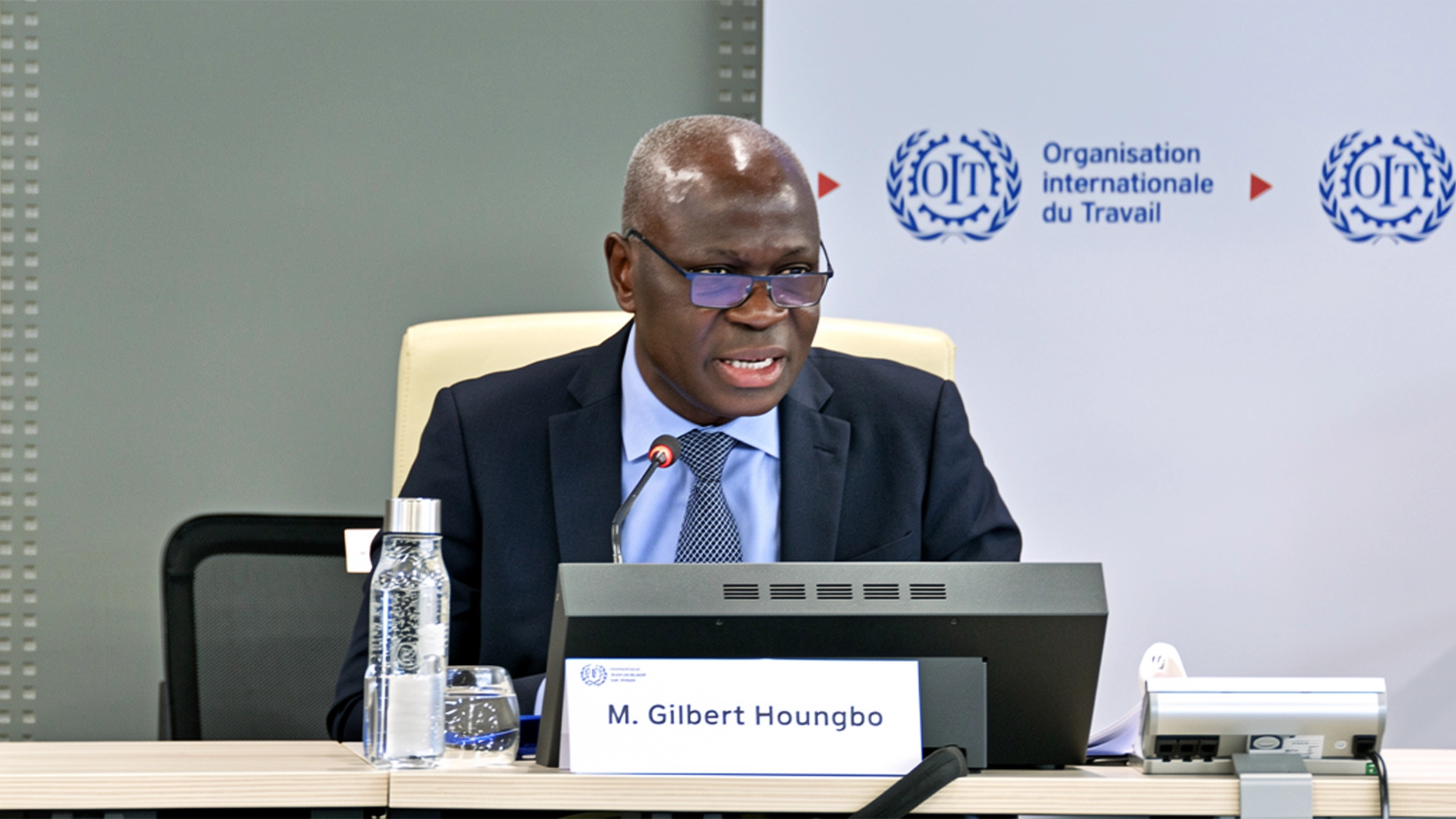
Oil Shock May Cost $3 Trillion in Wages by 2027
ILO warns prolonged oil shock could cut 38 million jobs in 2027 and $3 trillion in wages, urging human-centered AI policies.

ILO warns prolonged oil shock could cut 38 million jobs in 2027 and $3 trillion in wages, urging human-centered AI policies.
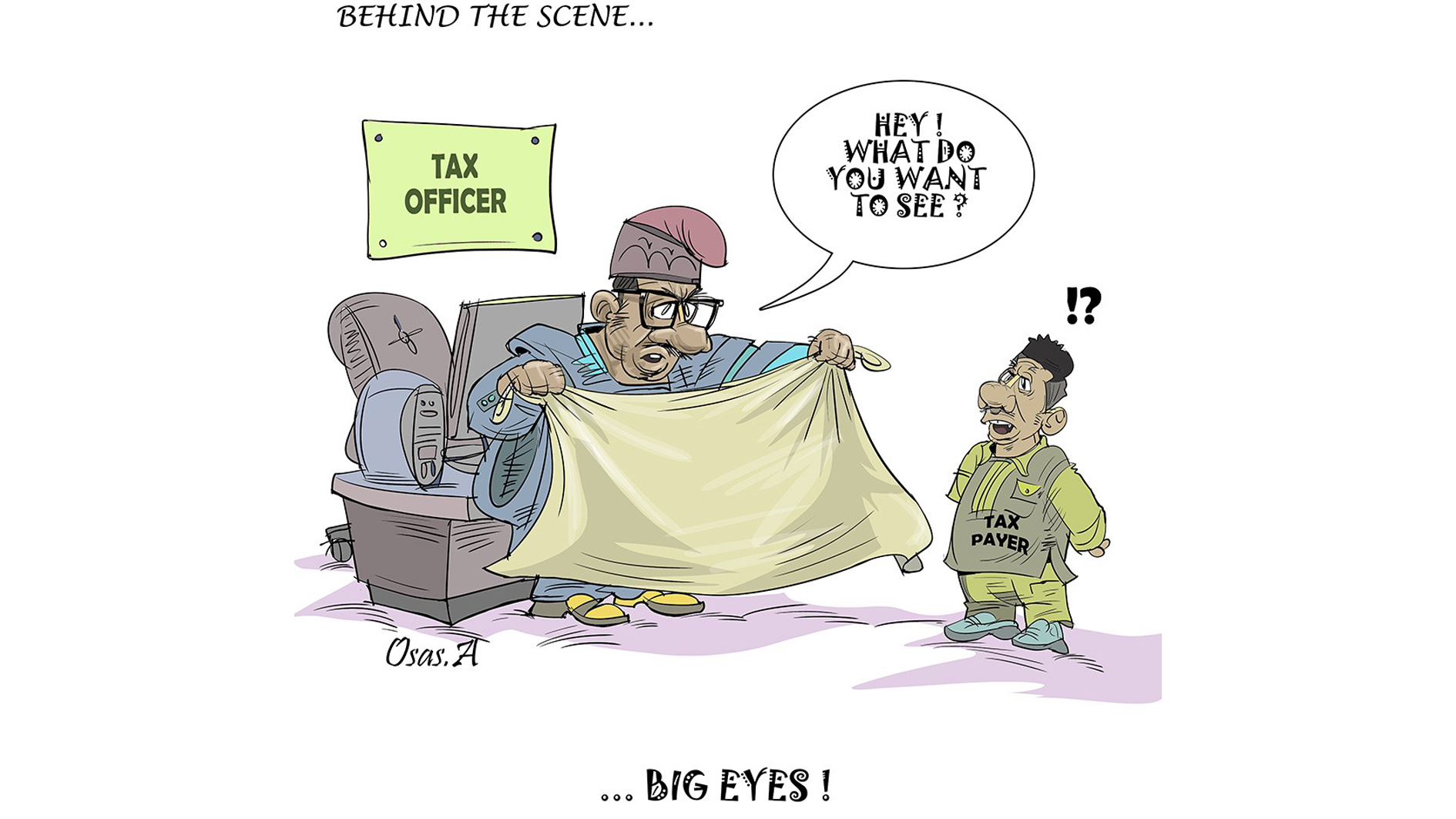
Nigeria faces ongoing economic difficulties as new policies aim to stabilize the naira and curb inflation, but experts urge more structural reforms.

Nigeria and African leaders promote investment ties at LSE. Minister highlights talent economy as external reserves rise by $1.22 billion in May 2026.

One year after its relaunch, NATEP has achieved key policy reforms, launched global partnerships, and positioned Nigeria as a leader in services export.
Nigeria's capital importation rose to $10.37 billion in Q1 2026, an 83.83% increase year-on-year, but FDI remained low at 1.30%, according to the NBS.

A 2026 Data Commons report reveals the top 10 African countries with the highest alcohol consumption per capita, with Uganda leading at 11.30 litres annually.

A Nigerian lady went viral after revealing cooking gas costs N2100 per kg in her area. Social media users react with their own prices and frustrations.
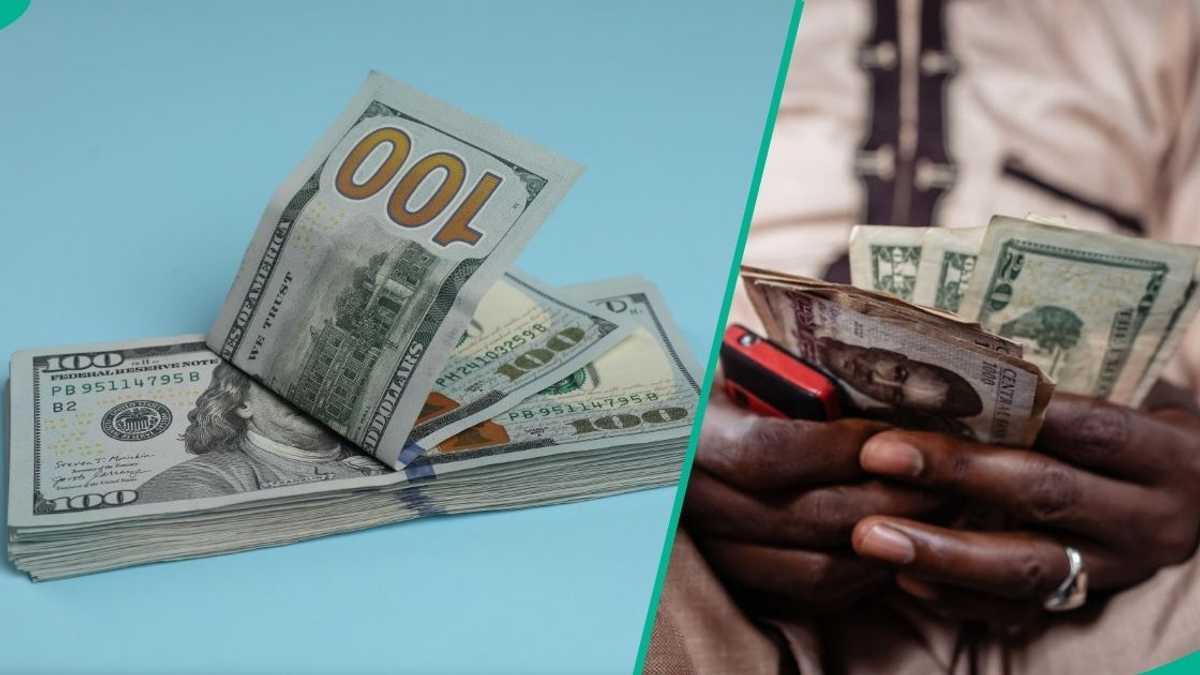
The Nigerian naira appreciated by N5.74 against the US dollar in the official market but depreciated in the black market on June 2, 2026. Mixed performance against other currencies.
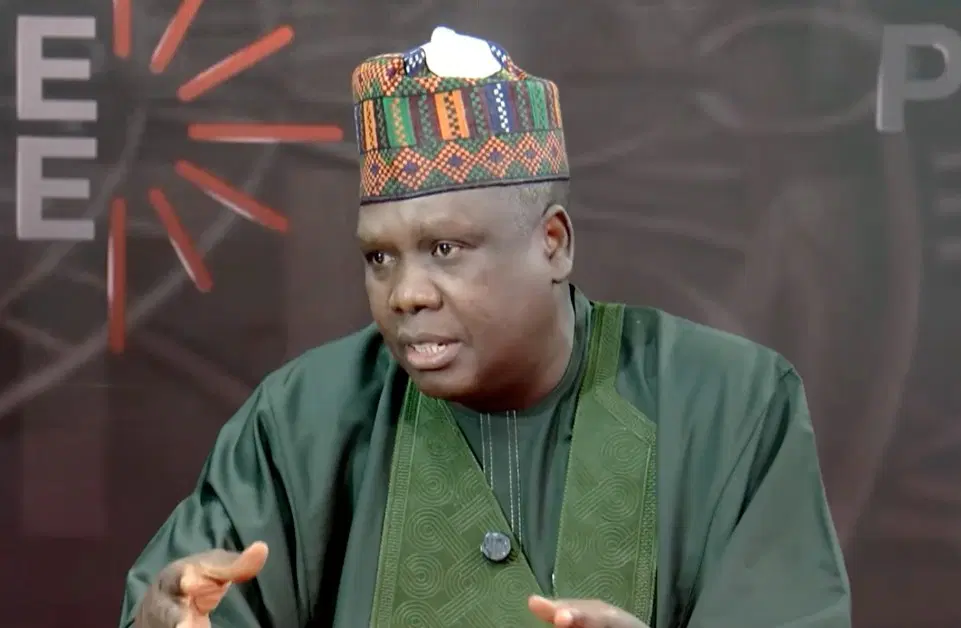
Presidential aide Daniel Bwala says Nigeria's over 230 million population makes it hard for citizens to feel economic reforms, but growth will be steady.
Nigeria's electricity distribution companies collected N196.13 billion in March 2026, representing 79.59% of N246.43 billion billed, leaving a N50.3 billion shortfall.

A Nigerian student from Federal University of Lafia laments rising cooking gas price at N2,200 per kg, sparking reactions online.

NATEP achieves major milestones in Nigeria's services export sector, including FEC approval for coordination mechanism and joining WEF accelerator network.
)
The IMF warns that broad subsidies and price caps worsen inflation and strain budgets, urging targeted cash transfers for vulnerable households instead.

Filling stations across Nigeria reduce petrol prices following Dangote refinery's ex-depot price cut. See new rates in Lagos, Abuja and other cities.
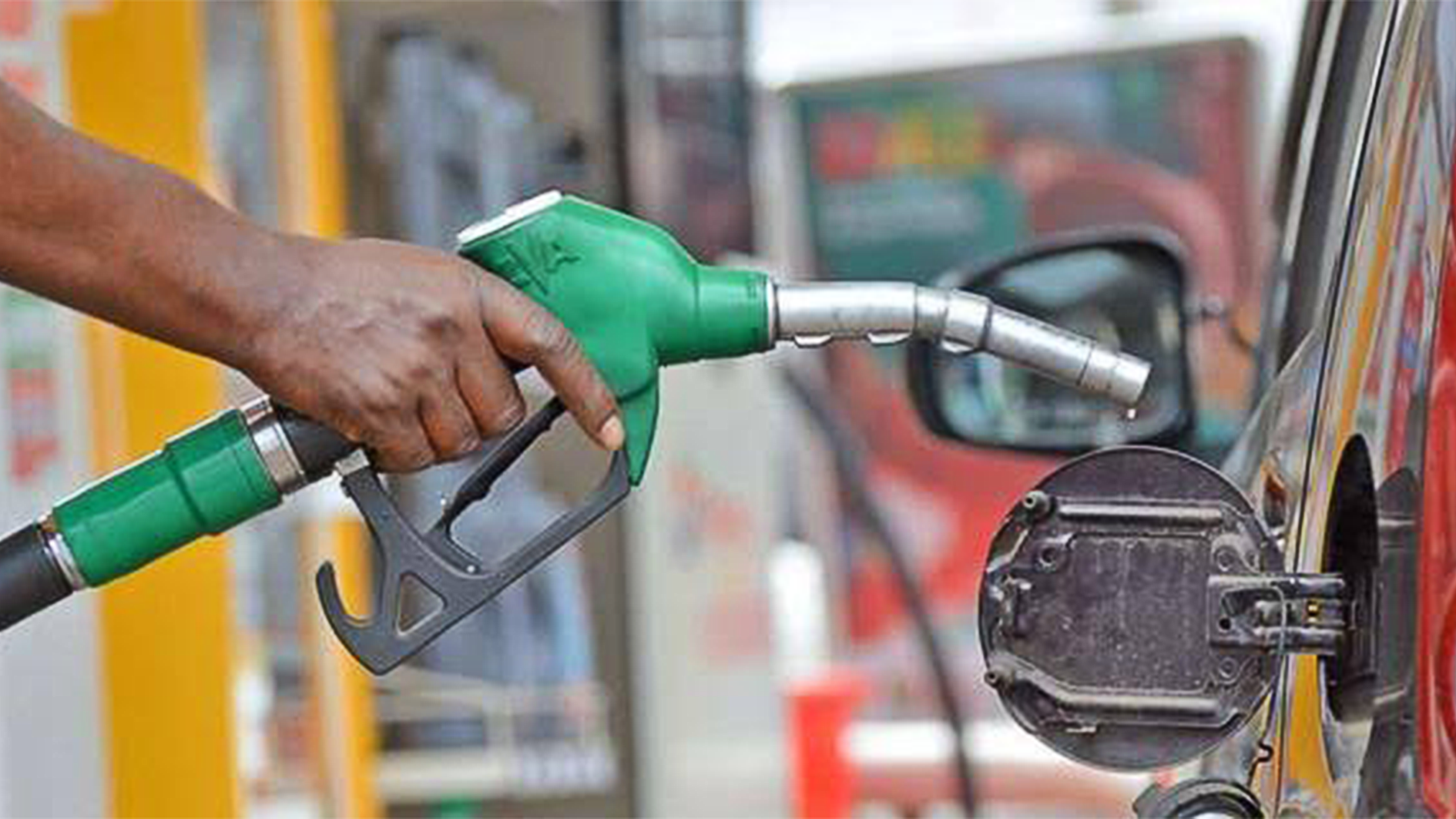
Global vulnerable economies face $20 billion annual oil import surge as crude prices rise. Nigeria sees 70% petrol hike, impacting transport costs.

Dr. Akinwumi Adesina, former AfDB president, has been appointed Chairperson of Botswana's Diamonds for Development Fund, aimed at economic diversification.

Dr Yemisi Adepoju's book 'Broke After Pay Day' examines emotional and cultural patterns behind financial exhaustion, offering practical solutions.
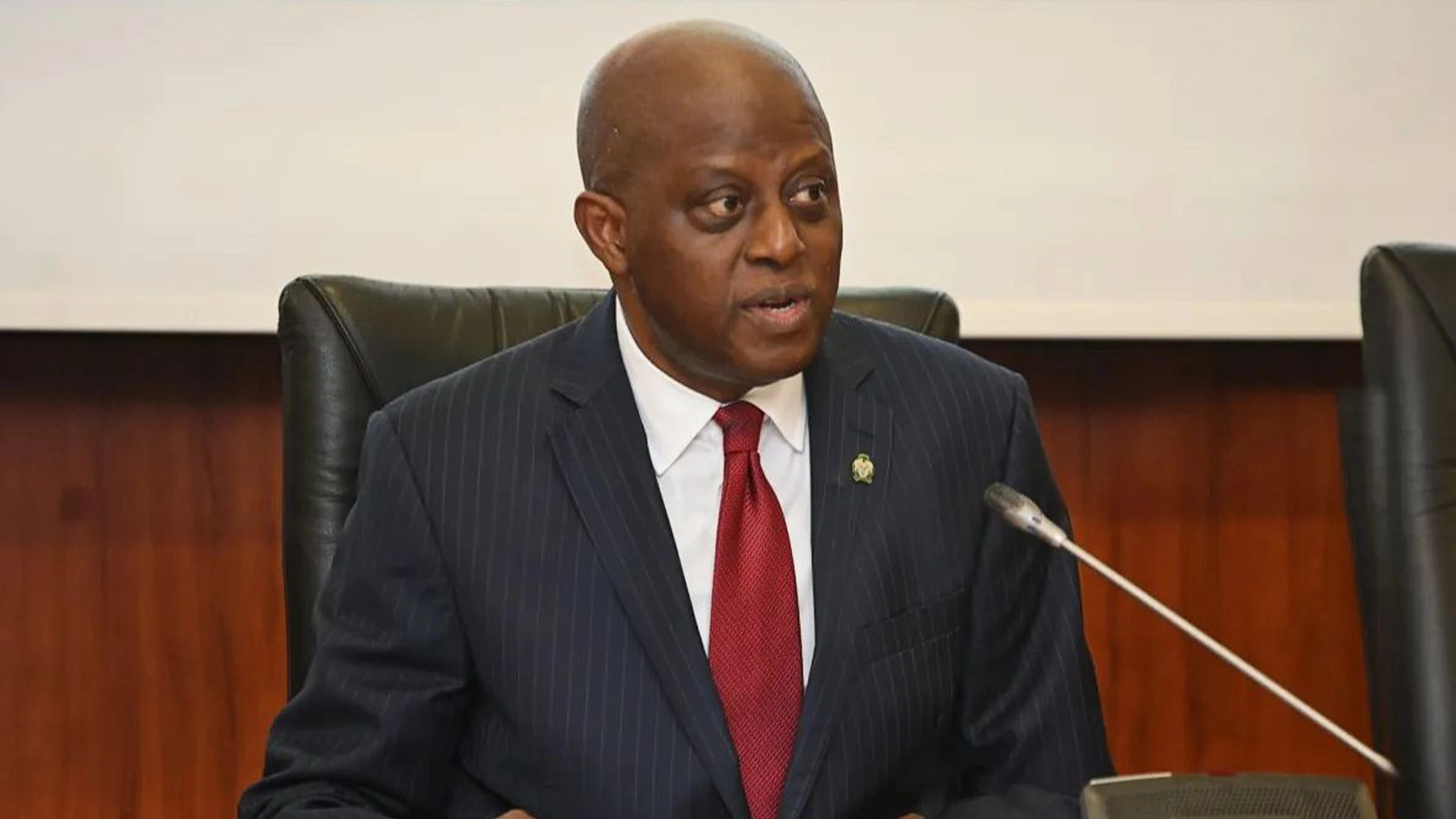
Nigeria's private sector growth strengthened to a nine-month high in May 2026, driven by output and new orders, despite rising fuel costs and inflationary pressures.
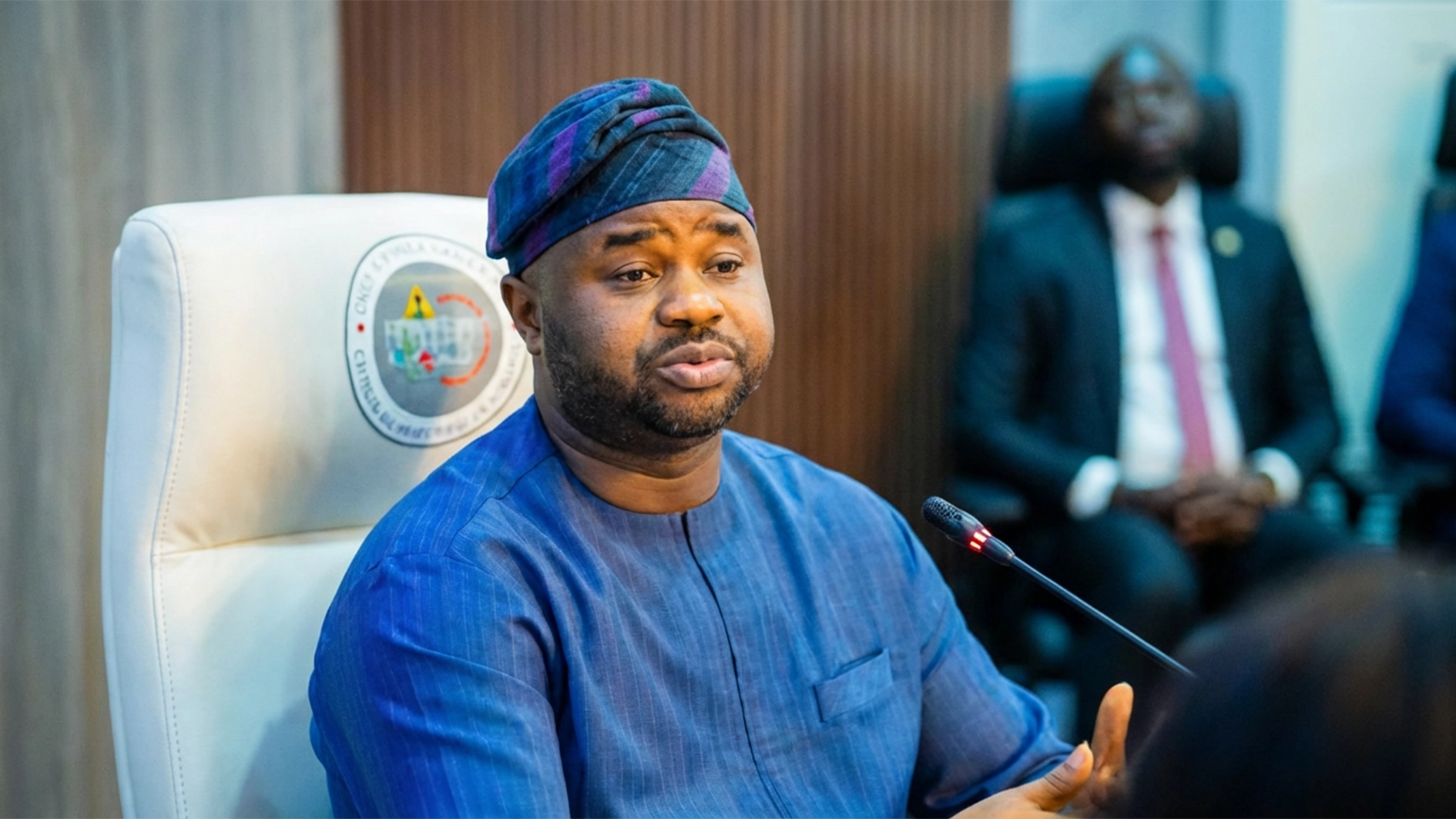
Expanding Nigeria's tax net to over 100 million risks eroding public trust without income growth. The government must prioritize job creation and visible benefits.
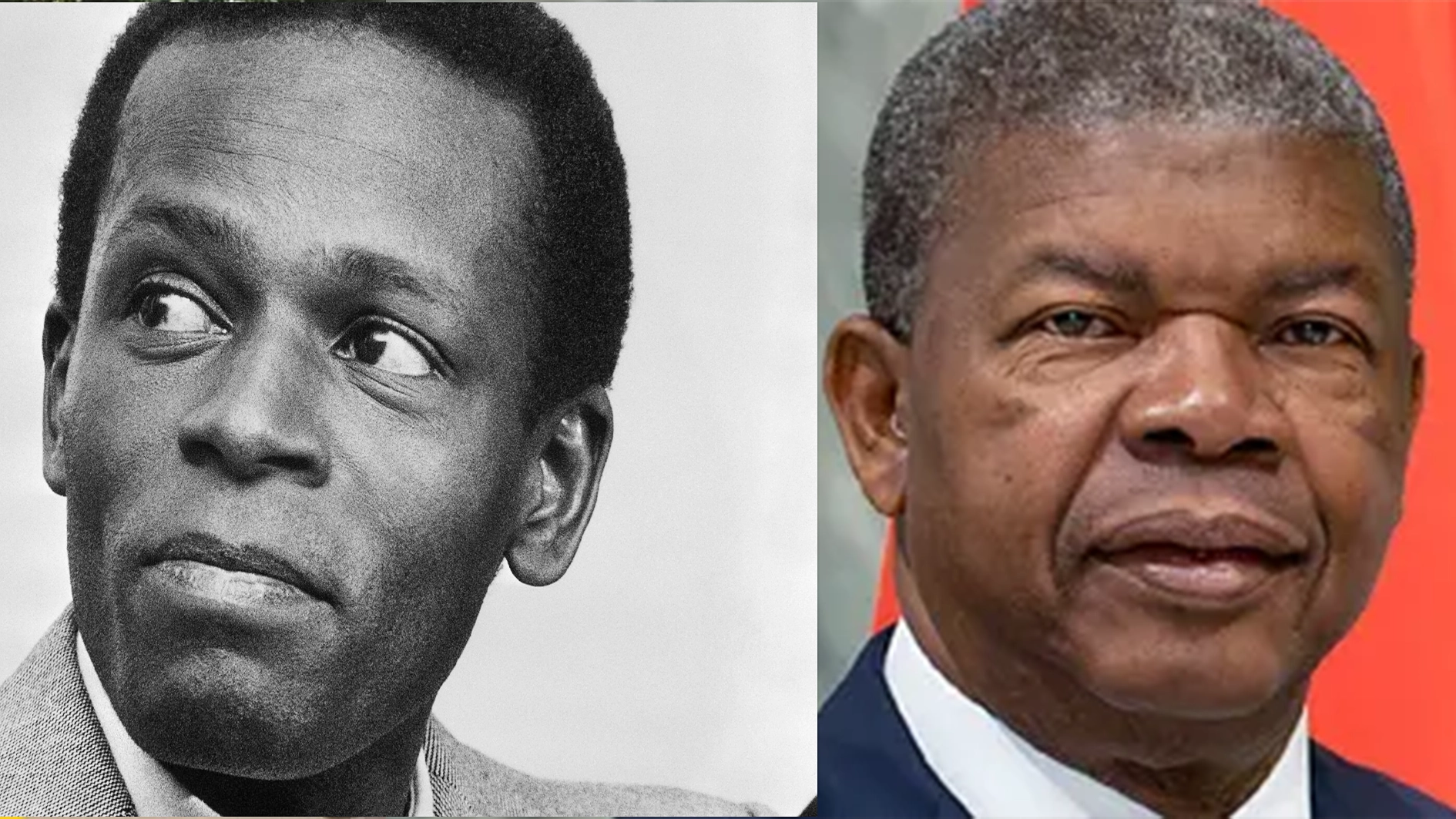
NJ Ayuk's 'Crude Oil' examines Angola's transition from Dos Santos' patronage system to Lourenco's reform agenda, highlighting institutional rebuilding and oil sector transformation.
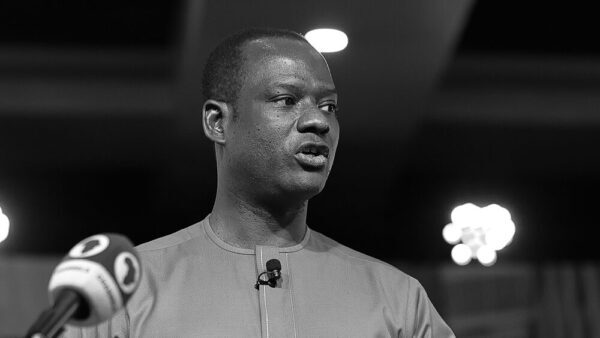
Finance Minister Taiwo Oyedele defends petrol subsidy removal and FX reforms as necessary to correct economic distortions, despite short-term pain.

Nigeria's 2026 budget allocates N15.52 trillion for debt servicing, exceeding health, education, and agriculture combined, raising sustainability concerns.

Analysis argues Nigeria's economy requires supply-side reforms like infrastructure investment to boost productivity and create jobs, rather than demand-side policies that risk inflation.

Exploring Nigeria's unique development trajectory, from telecoms leapfrogging to solar energy adoption, and why embracing unorthodox paths is key to national transformation.
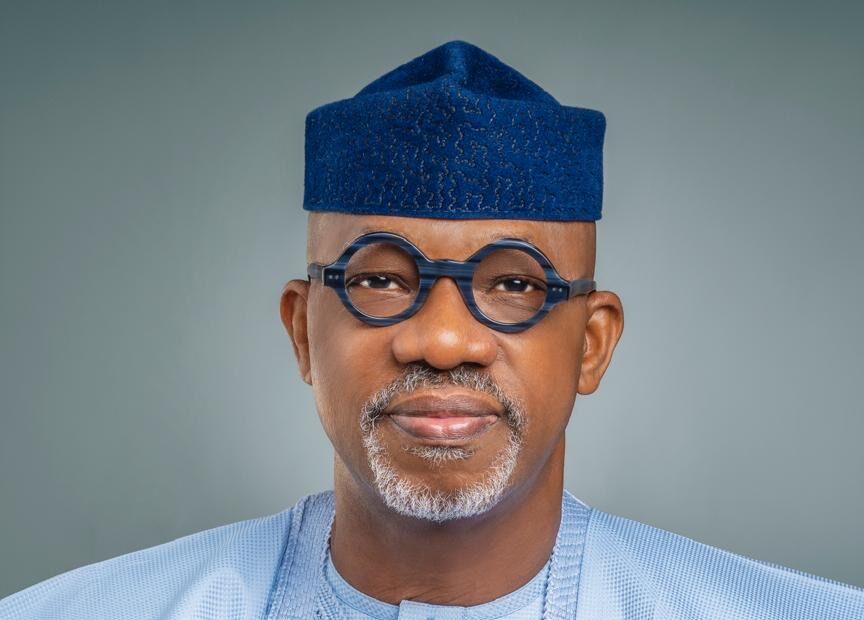
Ogun State ranks second in the 2025 State Performance Index, validating Governor Abiodun's infrastructure, industrial, and fiscal reforms that boosted GDP and IGR.

Petrol price in Nigeria has risen by 643% from ₦175 in May 2023 to ₦1,300-₦1,400 in May 2026, driven by subsidy removal and naira devaluation.
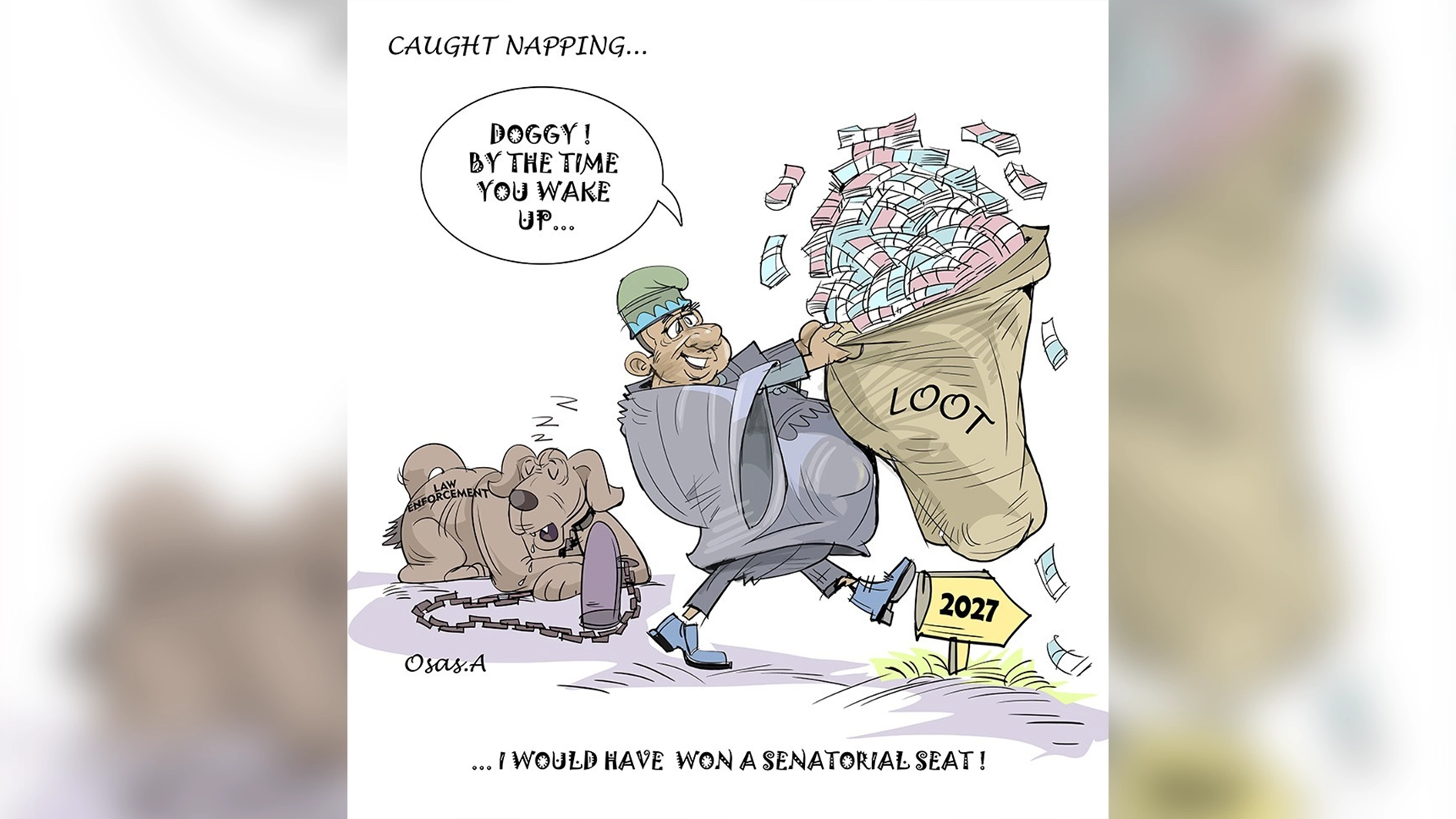
Nigeria's inflation rate surges to 18-year high, putting pressure on the economy and citizens' purchasing power. Experts call for urgent policy action.
The Central Bank of Nigeria launches Nigeria Payments System Vision 2028, aiming for 95% financial inclusion, reduced fraud, and a cash-lite economy to support a $1 trillion GDP target.

Nigerian businesses lose 3% of annual sales due to power outages, forcing heavy investment in generators, according to the African Development Bank's 2026 report.
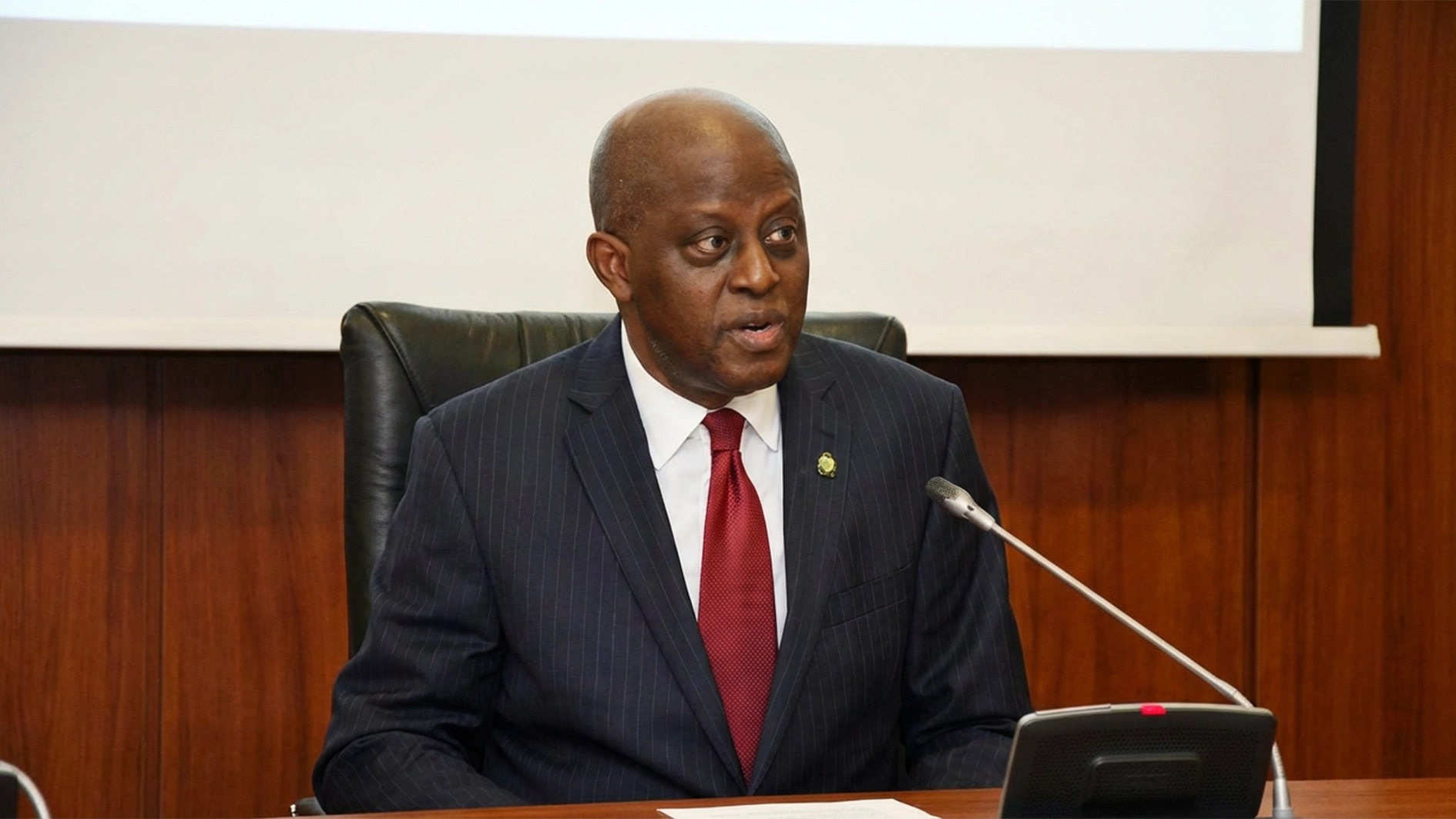
CardinalStone Partners Limited wins 'Debt Deal of the Year' for its role in the N501 billion power sector bond issuance at the African Banker Awards 2026.