
Nigeria GDP grows 4.43% in Q2 2026, FG targets $1tn economy
Nigeria's real GDP grew 4.43% year-on-year in Q2 2026, up from 4.23% in Q2 2025, with the FG reaffirming its $1tn economy target by 2030.

Nigeria's real GDP grew 4.43% year-on-year in Q2 2026, up from 4.23% in Q2 2025, with the FG reaffirming its $1tn economy target by 2030.
Nigeria’s GDP grew by 4.43% in real terms in Q2 2026, up from 4.23% in Q2 2025, according to the NBS. The services sector led with a 56.62% GDP share, while oil production averaged 1.63 mbpd.
Nigeria recorded $947 million in diaspora remittances through IMTOs in July 2026, the highest monthly inflow ever, nearing the $1 billion target.

Nigeria holds $300–900 billion in dead capital—property without clear title—which could unlock a trillion-dollar economy if formalised, says PwC.
Abuja filling stations raise petrol prices to N1,275 per litre after Dangote Refinery increased gantry price to N1,200, IPMAN confirms.

OPay is set to list on the Nigerian Exchange, allowing local investors access to the fintech that processed $358bn in 2025, with a US IPO targeting $4bn valuation.

Accord Party presidential candidate Gbenga Olawepo-Hashim has vowed that petrol will sell at ₦605 per litre as a starting sustainable price under his administration, with a long-term target of ₦200 per litre, if he wins the 2027 election.

The naira depreciated to N1,838 per British pound in the official market as traders await US inflation data that could influence global currency markets and capital flows.

As of July 2026, Zimbabwe leads Africa with a 112.9% inflation rate, followed by South Sudan (72.3%) and Sudan (58.2%). Nigeria ranks 8th at 24.3%, according to the latest data.

Chioma Afe urges firms to view sustainability beyond CSR, framing it as a critical risk management tool for long-term resilience and value creation.

Nigeria's external reserves surged by $7.09 billion year-to-date to reach $52.66 billion as of August 2026, driven by increased oil revenues and portfolio inflows.

The naira is poised for gains as the US dollar index approaches a 5-month low, boosting investor confidence in Nigeria's currency outlook.

Cement prices in Nigeria hit ₦15,000 per 50kg bag by July 2026, up from ₦9,700 in January, straining developers and prompting FCCPC investigation into regional price gaps.

The naira closed at N1,346.49 per dollar in the official market, recording a weekly gain of N11.11 against the US dollar as Nigeria's gross external reserves rose by 0.65% to $52.657bn.

Professor Suleiman Aruwa of Nasarawa State University, on his 55th birthday, tells Legit.ng Nigeria's economic crisis stems from oil dependence, weak fiscal discipline, and poor governance, urging reforms in public financial management, diversification, a

CPPE backs FG reforms, citing fiscal gains, but insists stability must translate into jobs, investment, and better living standards for Nigerians.

The Nigerian Institute of Chartered Accountants (NICA) has called on the Federal Government to inject N2 trillion into the Credit Guarantee Company to boost access to credit for businesses and individuals.
IPMAN praises Dangote Refinery's free petrol delivery, says it eases operational pressures and could lower pump prices, but urges expansion to northern states.

Nigeria can lower cement prices by cutting energy, production, transport, taxes, and financing costs, according to trade expert Dr. John Isemede.

Tony Elumelu's 20.07% stake in Seplat Energy, held via Heirs Holdings, now exceeds $1 billion, doubling in eight months after a $500 million acquisition.
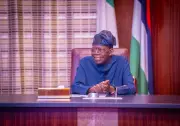
President Bola Tinubu's reform scorecard reveals increased revenue but unchanged spending priorities, according to a new analysis by Nairametrics.

President Tinubu has directed that liquid funds recovered by EFCC and unclaimed dividends from trust funds be channelled to NELFUND, boosting student loan finances.
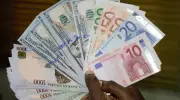
The naira appreciated to N1,346.90/$ in the official market as weekly FX turnover doubled to $4.5 billion, driven by increased dollar supply and positive market sentiment.

Africa's next economic advantage will be seamless trade, reducing barriers to boost intra-continental commerce and unlock growth potential.
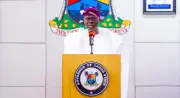
Lagos unveils LSIP 2025-2030 targeting 10.2% manufacturing GDP contribution by 2026, with six pillars and delivery instruments to boost industrial growth.

Lagos Deputy Governor Obafemi Hamzat advises young workers to spend no more than 40% of income on rent, suggesting shared accommodation and mortgage plans.

The UAE requires skilled foreigners to earn at least AED 30,000 (over N11 million) monthly to qualify for the Abu Dhabi Golden Visa, a long-term residency program.

Lagos requires N6 trillion annually over 10 years to close its 1.2 million housing unit gap, GTI Capital research shows.
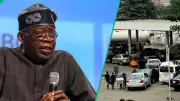
President Bola Tinubu has firmly ruled out returning Nigeria's fuel subsidy, dismissing calls for restoration during a meeting with Osun Governor Ademola Adeleke at the Presidential Villa in Abuja.
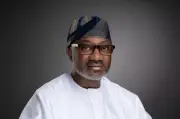
Nigerian billionaire Femi Otedola's net worth has surged to nearly $2 billion in 2026, driven by a $500 million gain year-to-date, according to Forbes and Bloomberg data.