
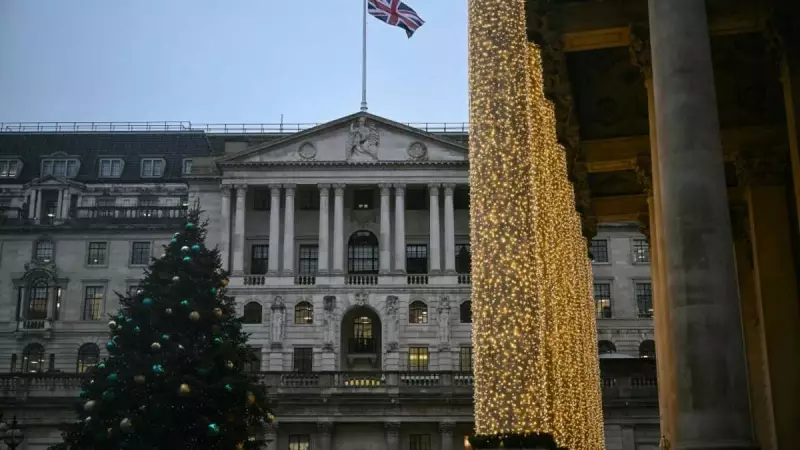
The Bank of England (BoE) has taken decisive action to stimulate the UK's sluggish economy, announcing a cut to its main interest rate on Thursday, December 18, 2025. The central bank reduced the rate by a quarter-point to 3.75 percent, a move widely anticipated by financial markets.
Inflation Drop Paves Way for Monetary Easing
The decision was driven by official data showing a faster-than-expected slowdown in inflation. The UK's annual inflation rate fell to 3.2 percent in November, moving closer to the BoE's two-percent target. This positive trend gave policymakers the confidence to act.
BoE Governor Andrew Bailey stated, "We've passed the recent peak in inflation and it has continued to fall, so we have cut interest rates." He cautioned, however, that future decisions would be finely balanced, noting, "With every cut we make, how much further we go becomes a closer call."
A Divided Vote and Economic Pressure
The rate cut was not unanimous. The Bank's Monetary Policy Committee voted 5-4 in favour of the reduction, with four members preferring to hold the rate at 4.0 percent. This highlights the ongoing debate about the best path for monetary policy amidst economic uncertainty.
The cut offers some relief to Prime Minister Keir Starmer and his Labour government, which has faced challenges in reviving economic growth since taking office in July 2024. Investment strategist Lindsay James of Quilter noted that with economic growth in the doldrums, significant pressure remains on the BoE to stimulate activity.
Broader Context and Global Moves
This marks the sixth reduction since the BoE began its rate-trimming cycle in August 2024. The latest cut precedes key decisions by other major central banks. The European Central Bank (ECB) is expected to hold rates steady on Thursday, while the Bank of Japan is forecast to hike its rate on Friday.
UK Finance Minister Rachel Reeves welcomed the BoE's decision but acknowledged more work is needed to help families with the cost of living. The rate cut will ease borrowing costs for mortgages and loans but is likely to reduce returns on savings accounts, as retail banks typically follow the BoE's lead.
Analysts predict the Bank of England will continue to cut borrowing costs in the coming year as inflation trends downward, though the pace and extent of future cuts remain subjects of close scrutiny.




