
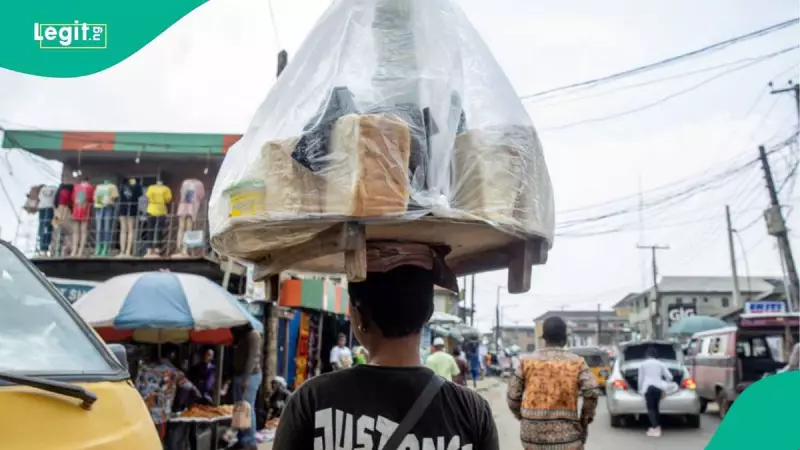
Millions of Nigerians hoping for relief from soaring food costs have been dealt a blow, as industry bakers firmly refute widespread speculation of a drastic crash in flour prices. Contrary to viral social media reports, the price of bread, a national staple, remains stubbornly high, with bakers citing an unrelenting surge in production costs.
No Relief in Sight: Bakers Debunk Flour Price Crash Rumours
Investigations reveal that over the past 24 months, the price of bread has skyrocketed by over 200%, a direct result of high inflation and escalating input costs. A Lagos-based baker, Mrs. Mope Adepoju, speaking to the Daily Sun, clarified the situation. She stated that claims of a significant reduction in flour prices are misleading. "The price of flour has not come down in any meaningful way," Adepoju emphasized.
She further explained that even if flour costs were to decrease, other essential ingredients remain prohibitively expensive. "Other ingredients like sugar, yeast, preservatives, butter, and vegetable oil remain expensive. Plus, energy costs are soaring," she added, defending bakers against accusations of insensitivity to consumer struggles.
The Real Cost of a Loaf: Breaking Down the Baker's Dilemma
The reality on the ground paints a grim picture of the economics behind bread production. According to industry reports, a single bag of sugar now sells for about N75,000, yeast costs N58,000, and preservatives are priced at N70,000. Butter costs about N40,000 per carton, while energy bills for powering mixers and ovens continue to climb relentlessly.
This complex cost structure has led to staggering price increases at the point of sale. A family-sized loaf that once sold for N1,200 now costs N2,000 and above. Medium-sized loaves have jumped from N700 to N1,200, while the humble small loaf has tripled in price, moving from N100 to over N300.
These figures are corroborated by earlier reports from Legit.ng, which disclosed that flour prices had surged to more than N80,000 per 50kg bag in markets across Kano and other northern states, forcing nationwide price adjustments by bakeries.
Public Pressure Mounts as Bakers Fight for Survival
Amid this crisis, Nigerian consumers are intensifying pressure on bakers, demanding price cuts. Many argue that any reduction in the cost of flour, the primary ingredient, should be reflected on the bread counter. This frustration has fueled social media campaigns and calls for boycotts, highlighting the widespread anguish over the high cost of living.
However, bakers find themselves caught in an impossible bind. An anonymous baker explained the precarious position: "We don't enjoy seeing Nigerians struggle with bread prices. But with the costs of ingredients, electricity, and overheads, we either set sustainable prices or risk shutting down." Many are reportedly considering closing their shops altogether due to unsustainable operating costs.
While there was a slight dip in some input costs earlier in the year—with flour falling to about N58,000 and sugar to around N80,000 per bag by early March 2025—the relief was neither substantial nor across the board. Bakers insist that until there is a significant and sustained drop in the cost of all raw materials and energy, the price of bread will remain high.
Efforts to reach the president of the Bakers Association for an official industry response were unsuccessful. For now, Nigerians must brace themselves as bakers, squeezed by survival instincts and public outcry, continue to navigate a market with no quick fixes in sight.




