
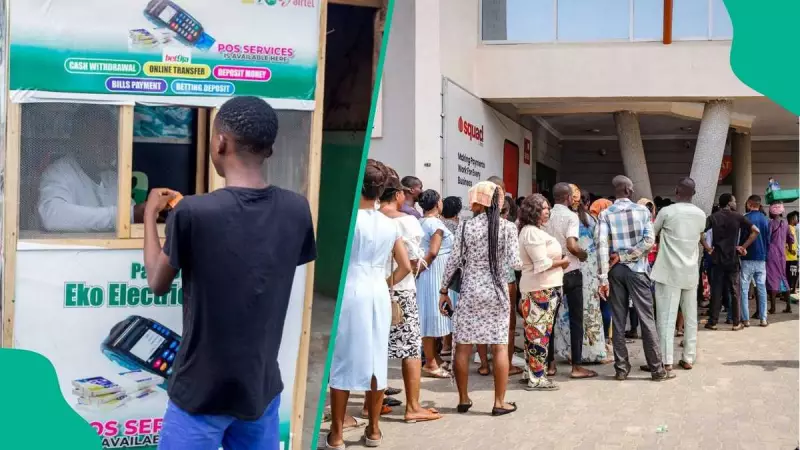
As the countdown to Christmas intensifies, a familiar scramble for physical cash is gripping Nigeria. Despite the proliferation of digital payment options, a deep-seated anxiety over electronic payment failures is pushing citizens to seek hard currency, creating long queues and driving up transaction costs.
Cash Outside Banks Remains Stubbornly High
The preference for physical naira notes is reflected in official data. By March 2025, approximately N4.6 trillion, representing 91.9% of all currency issued, was circulating outside the banking system. This figure saw only a marginal decrease six months later, with about N4.47 trillion (90.2%) still outside banks as of September 2025. This trend underscores a persistent structural and cultural reliance on cash, particularly within Nigeria's vast informal economy, daily wage sectors, and communities with limited trust in digital networks.
Memories of past festive seasons, where network failures and empty ATMs left many stranded, are fueling the current rush. Over the recent weekend, noticeable queues reappeared at Automated Teller Machines in Lagos and other major urban centers, signaling the early stages of the annual year-end cash squeeze.
PoS Operators Become Costly Lifeline Amid Scarcity
With ATMs perceived as unreliable, a growing number of Nigerians are turning to Point-of-Sale (PoS) agents to access cash. However, this alternative has become increasingly expensive. Many PoS operators have raised their service charges, adding pressure to household budgets already strained by rising costs of food and transportation during the festive period.
For the agents themselves, securing enough cash to meet soaring demand is a daily challenge. Afeez Obalola, a PoS operator on Victoria Island in Lagos, described the frantic pace: “I’m rushing because the machines working now may stop at any moment. December is always unpredictable, and once the rush starts, cash can become scarce.” Economists point out that this massive hoarding of cash weakens the banking sector's ability to mobilize deposits for lending, ultimately constraining economic growth.
CBN Cracks Down to Ensure Festive Season Liquidity
In response to recurring complaints, the Central Bank of Nigeria has ramped up its regulatory oversight. In January 2025, the apex bank fined nine commercial banks a total of N1.35 billion for failing to ensure adequate cash supply in their ATMs during the previous holiday season. The CBN has emphasized that disruptions in cash availability erode public confidence and can destabilize the financial system.
The bank has committed to conducting random inspections of bank branches, ATMs, and PoS operators throughout the festive period to enforce compliance and guarantee uninterrupted access to cash for the public.
In a related economic development, the naira opened the month of December on a positive note, firming up against the US dollar. Market analysts attribute this strength to improved foreign-exchange reserves and strategic interventions by the CBN, with expectations that the currency could maintain this momentum through the end of the year.




