
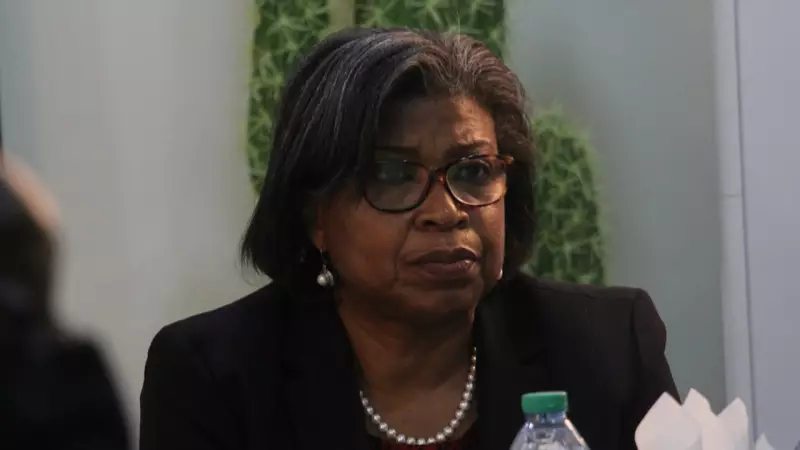
The Debt Management Office (DMO) has issued a strong directive to Nigeria's 36 state governments, mandating strict compliance with the Fiscal Responsibility Act when seeking new loans. The agency's Director-General, Ms. Patience Oniha, delivered this crucial message during a specialised workshop on borrowing guidelines held in Abuja on Tuesday.
Workshop Aims to Demystify Legal Borrowing Process
Ms. Oniha explained that the capacity-building session was designed to familiarise state officials with the legal and procedural requirements for contracting debt. She stressed that a clear understanding of these regulations is the key to unlocking development funds while maintaining fiscal discipline at the sub-national level.
The workshop targeted multiple officials from each state, with some delegations comprising up to eight persons. This approach, according to Oniha, was intentional to ensure broader comprehension and implementation of the guidelines back in their respective states.
No Flexibility in the Law, Oniha Insists
The DMO boss was unequivocal about the need for total adherence to the nation's statutes governing borrowing. She listed the Constitution of the Federal Republic of Nigeria, the Fiscal Responsibility Act, and the Debt Management Office Act as the primary legal frameworks.
"What that means is that there's no flexibility. If it's in the law, you really have to comply," Ms. Oniha stated firmly. She linked past delays in loan approvals for states directly to a lack of clarity and procedural missteps under these laws.
The training covered critical areas including debt recording, debt sustainability analysis, and medium-term debt management strategy. The focus was not on the current debt stock of states, but on the correct process for future borrowing.
Smooth Process for Accessing Development Funds
Oniha clarified that compliance is not just a bureaucratic hurdle, but a prerequisite for accessing funds from both domestic and international lenders. This includes major development finance institutions like the World Bank.
"The idea is to equip them with all the skills, the knowledge they need, so that each time they want to borrow, they are ready and the process is smooth," she said. The ultimate goal, she emphasised, is to ensure that borrowed funds are channelled effectively into state development projects.
This Abuja workshop underscores the federal government's continued push for fiscal responsibility and enhanced financial management capacity among Nigeria's sub-national governments.




