
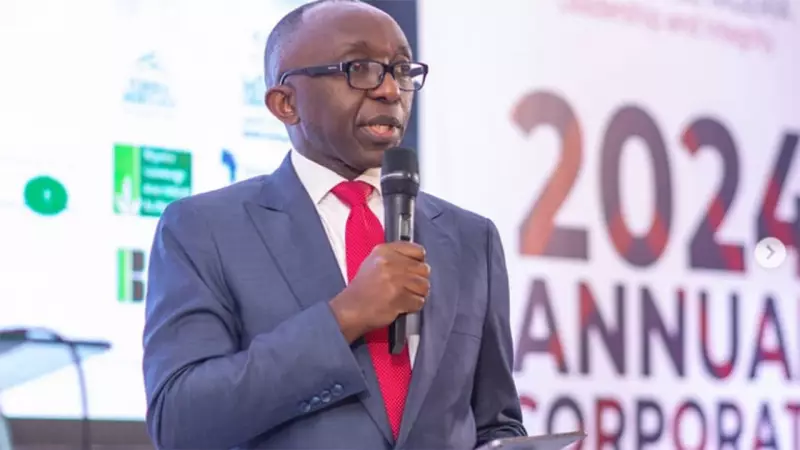
The Federal Government has rolled out a new strategic framework designed to fundamentally reshape and enhance the performance of the country's state-owned enterprises (SOEs). This initiative aims to move these entities away from reliance on individual personalities and towards strong, enduring institutions that can drive national development.
Why Nigeria Needs a Unique Economic Model
Speaking at the official inauguration of the MOFI Excellence and Governance initiative on 5 December 2025, the Managing Director of the Ministry of Finance Incorporated (MOFI), Dr. Armstrong Takang, laid out the rationale. He stated that Nigeria has developed economic models suited to its specific realities.
Takang argued that the nation's unique conditions require approaches where the state uses its sovereign capacity to stimulate business, unlock private-sector potential, and finance large-scale investments that are beyond the reach of individual states. He emphasized that mega projects often exceed the fiscal capacity of states, underscoring the necessity for robust federal support and efficiently managed SOEs to deliver critical national infrastructure.
The Core of the New Governance Framework
The newly launched MOFI Excellence framework is a central tool in this transformation. It is designed to instill a culture of accountability, operational efficiency, and value creation across all state-owned enterprises. The framework will assess and reward performance based on several key metrics, including:
- Return on assets and investments
- Timely dividend payments to the government
- Job creation numbers
- Contribution to the nation's Gross Domestic Product (GDP)
- Extent and quality of service reach to the public
Dr. Takang stressed that the success of SOEs must no longer hinge on the individuals leading them but on solid institutional structures. "We must create governance structures and systems that guarantee performance regardless of who is in office," he asserted, highlighting that effective corporate governance is crucial for consistent results and lasting economic impact.
Early Signs of Progress and Ensuring Credibility
The MOFI chief reported encouraging early signs from the initiative. He noted a noticeable shift in attitude, with several SOEs that had failed to pay dividends for years now prioritizing remittances to the government. Others are expanding their service offerings and ramping up job creation efforts, indicating renewed pressure for better performance.
To ensure the integrity and objectivity of the process, the government has appointed a fully independent panel to oversee the awards and governance assessments. "We deliberately selected only independent members to guarantee objectivity," Takang explained. This move is intended to bolster the credibility of the entire performance evaluation system.
This Excellence and Governance movement builds upon earlier corporate governance reforms introduced within the year. It represents a broader, concerted push to reposition Nigeria's state-owned enterprises as competitive, impactful contributors to national growth—entities that can match, and potentially surpass, private-sector standards of efficiency and output.
Ultimately, the initiative seeks to institutionalize a culture of excellence across all public enterprises, thereby strengthening Nigeria's overall economic and development trajectory for the long term.




