
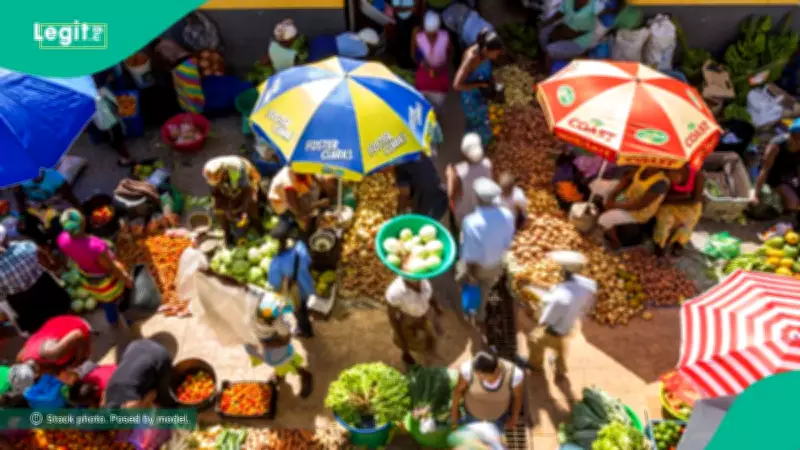
Food Inflation Climbs to 12.12% in February as Dealers Adjust Prices for Staples
Food sellers across Nigeria are adjusting prices of staple items such as rice, beans, garri, and yams following a renewed rise in food inflation reported by the National Bureau of Statistics (NBS). The latest inflation report released on Monday shows that food inflation increased to 12.12 percent in February 2026, reversing the brief relief Nigerians experienced in January when the rate dipped into single digits.
NBS Explains Drivers of Rising Food Prices
According to the NBS, the increase in food inflation was driven largely by rising prices of major staples that form the core of Nigerian diets. Items such as cassava products, beans, yam, and crayfish recorded noticeable price increases in markets across the country during the period under review. The statistics agency said the year-on-year food inflation rate of 12.12 percent in February 2026 represents a sharp decline compared with the 26.98 percent recorded in February 2025, reflecting some moderation in price pressures over the past year.
However, on a month-on-month basis, food inflation climbed 0.80 percent, marking the first monthly increase in more than three months. This uptick signals renewed pressure on household budgets, as millions of Nigerians continue to grapple with high living costs.
Headline Inflation Edges Lower Despite Food Price Surge
Interestingly, the surge in food prices did not push overall inflation higher in February. Headline inflation eased slightly to 15.06 percent, down from 15.10 percent recorded in January, breaking the usual pattern where food inflation typically drives the broader inflation rate upward. A breakdown of the inflation components showed varied price movements across sectors:
- Food and non-alcoholic beverages: up 6.03 percent year-on-year
- Housing, water, electricity, gas and other fuels: up 1.27 percent
- Transport: increased by 1.61 percent
- Restaurants and accommodation services rose by 1.95 percent
- Health: climbed by 0.91 percent
Economists say the slight easing in headline inflation may reflect improved currency stability and gradual supply adjustments in some sectors of the economy. This complex dynamic highlights the ongoing challenges in managing inflation in Africa's largest economy.
Market Survey Shows Mixed Price Movements
A market survey conducted by BusinessDay indicates that food prices across several markets have remained relatively stable since the start of the year, even though inflation data shows some renewed pressure. Traders say prices of rice, beans, garri, and other essentials have fluctuated slightly depending on supply levels, transportation costs, and seasonal factors.
Many dealers noted that while prices have not spiked dramatically in recent weeks, they remain significantly higher than levels seen two years ago. This persistent elevation in staple costs continues to strain daily budgets for Nigerian households, keeping food affordability a central economic concern.
States with the Highest Food Inflation
The NBS data also revealed significant differences across states, highlighting regional disparities in food price pressures. Kogi recorded the highest food inflation rate at 26.91 percent, followed by Adamawa at 23.12 percent and Benue at 21.89 percent. On the other hand, Katsina, Bauchi and Imo recorded the slowest increases in food prices, with inflation rates of 5.09 percent, 7.09 percent and 7.65 percent, respectively.
These variations underscore the localized nature of food inflation in Nigeria, where factors such as agricultural production, logistics, and security issues can create stark differences in consumer price experiences across regions.
Global Risks Could Push Prices Higher
Experts warn that global developments could still push food prices upward in the coming months. Analysts point to the expanding geopolitical tensions between Iran and the United States, which could disrupt global oil supply and push crude prices higher. A spike in oil prices typically raises transportation and logistics costs in Nigeria, which then filters into the cost of food and other consumer goods.
For millions of Nigerian households already battling rising living costs, even small increases in staple food prices continue to strain daily budgets. The February inflation data serves as a reminder that while some progress has been made in taming inflation, food affordability remains a critical challenge for the nation's economic stability and household welfare.




