
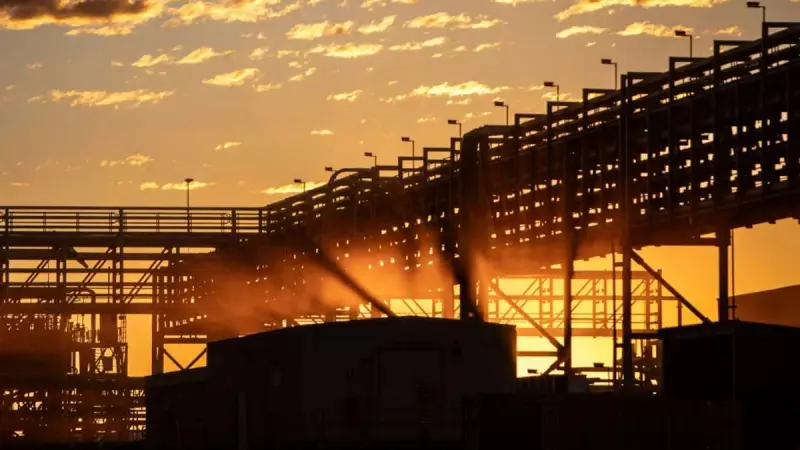
In a significant move that could reshape global economic dynamics, the world's seven wealthiest nations have launched a coordinated strategy to break China's stronghold on critical minerals essential for modern technology. The G7 alliance is taking decisive action to secure alternative supply chains for minerals powering everything from electric vehicles to renewable energy systems.
The Mineral Battlefield: What's at Stake?
Critical minerals including lithium, cobalt, and rare earth elements have become the new oil in the global economy. These resources are fundamental to manufacturing electric vehicle batteries, solar panels, wind turbines, and advanced electronics. Currently, China controls approximately 60-80% of global processing and refining for many of these essential materials.
The G7's new initiative, announced during their recent ministerial meeting, represents a strategic pivot toward resource security. The plan focuses on three key areas:
- Developing alternative supply chains with allied nations
- Investing in mineral processing facilities outside China
- Promoting sustainable and ethical mining practices worldwide
Nigeria's Potential Role in the New Mineral Economy
This geopolitical shift opens significant opportunities for Nigeria, which possesses substantial deposits of critical minerals. The country's vast lithium resources, particularly in states like Nasarawa and Kwara, position it as a potential key player in the emerging global supply chain.
Economic analysts suggest that Nigeria could benefit from:
- Increased foreign investment in mining infrastructure
- Technology transfer from developed nations
- Job creation in the mineral processing sector
- Enhanced export revenues from mineral resources
Global Implications and Market Reactions
The G7's coordinated approach signals a fundamental realignment in how Western economies approach resource security. By reducing dependence on Chinese processing, these nations aim to create more resilient supply chains that can withstand geopolitical tensions and market disruptions.
Industry experts note that this move could accelerate investment in mining projects across Africa, particularly in countries like Nigeria with proven mineral reserves and improving regulatory frameworks. The timing coincides with growing global demand for electric vehicles and renewable energy infrastructure, creating perfect conditions for Nigeria to capitalize on its natural resources.
As the world transitions toward cleaner energy solutions, the race for critical minerals has become the new frontier in global economic competition. Nigeria's strategic positioning and mineral wealth could transform its economic landscape if leveraged effectively during this pivotal moment in international trade relations.




