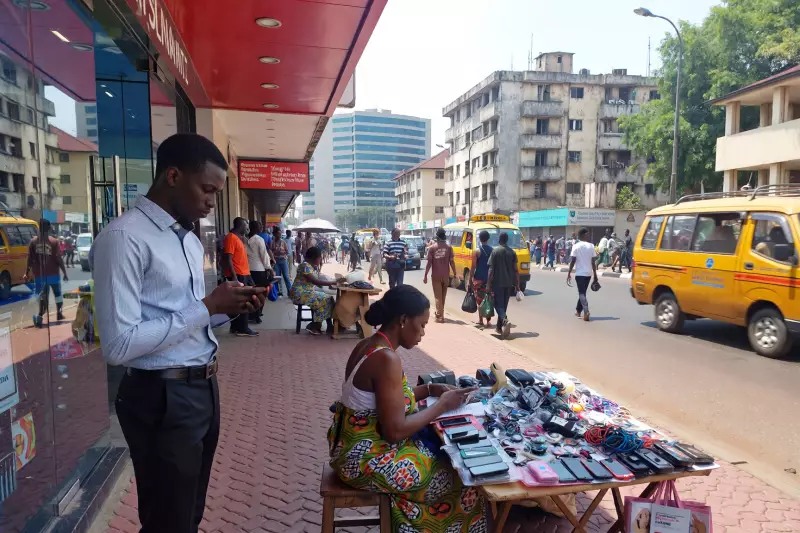
Forget the idea of a single, stable paycheck. After months of research and years covering Nigeria's employment scene, I can tell you that the reality of how ordinary Nigerians earn their living is far more complex and resilient than most imagine.
From street vendors in Aba to civil servants in Abuja, farmers in Kano, and tech workers in Lagos, survival and prosperity flow through channels that often surprise outsiders. The key is what I call the productive hustle—a tapestry of multiple income streams woven together to feed families, pay school fees, and build futures.
The Myth of the Average Salary and the Power of Multiple Streams
Asking about the average income in Nigeria is like asking about the average weather. The variation is staggering. According to the National Bureau of Statistics (NBS), only about 12% of the workforce is in formal employment. The other 88% work for themselves or in informal arrangements.
Take Mrs. Chidinma from Owerri, whom I interviewed last year. Her monthly income is a patchwork: ₦85,000 from teaching primary school in the morning, ₦40,000 profit from her afternoon provision shop, and ₦30,000 from selling clothes on Instagram on weekends. Her combined ₦155,000 places her in the middle class, but it requires working three jobs simultaneously.
This is the norm, not the exception. I've met civil servants who farm on weekends, teachers who trade forex during holidays, and corporate workers running side businesses from their phones. The dominant employment category is self-employment, accounting for about 66% of Nigerians working full time.
A Deep Dive into Income Ranges Across Sectors
The income landscape is defined by extreme disparities based on sector, location, and employment type. The World Bank reports that over 129 million Nigerians live below the poverty line, earning less than roughly ₦137,000 monthly. Yet, economic activity thrives, revealing a story of remarkable resourcefulness.
The current national minimum wage is ₦70,000 monthly, though some states like Imo pay ₦104,000 and Lagos offers ₦85,000. This is the floor for formal workers, but most Nigerians operate outside this system.
Informal Sector Earnings:
- Mama Put (food vendor): ₦30,000 – ₦80,000 monthly profit.
- Okada (commercial motorcycle) rider: Up to ₦90,000 monthly.
- Tailors, hairdressers, carpenters: ₦50,000 – ₦300,000 monthly, depending on skill and clientele.
- Smallholder farmers: ₦50,000 – ₦200,000 per harvest cycle.
Formal Sector Earnings:
- Government workers: ₦70,000 – ₦1.2 million monthly, based on grade and seniority.
- Teachers: ₦75,000 – ₦150,000 monthly (though arrears are common).
- Private sector: Entry-level roles range from ₦80,000 in small firms to ₦350,000 in multinationals.
MTN Salaries and the Corporate Elite
MTN Nigeria exemplifies the top tier of corporate pay. Recent data shows 84% of its employees earn over ₦1 million monthly. Even their lowest-paid staff average ₦458,333—about 15 times the national minimum wage.
For context, MTN's entry-level staff earn ₦120,000 to ₦180,000 during training, rising to ₦220,000 to ₦300,000 upon confirmation. Specialists can make ₦390,000+, and managers approximately ₦775,000 monthly.
However, this is the exception. MTN employs only about 1,809 people in a country of over 220 million. The competition for such coveted roles is fierce, leaving most graduates to navigate entrepreneurship or informal work.
The Harsh Reality of a Living Wage and Survival Strategies
What constitutes a living wage in Nigeria? With costs varying wildly, ₦200,000 to ₦300,000 monthly is needed for a small family in urban areas to cover basic housing, food, education, and healthcare. In Lagos, that figure jumps to ₦350,000 to ₦500,000.
Millions survive on far less through ingenious strategies: sharing accommodation with extended family, buying food in bulk from wholesale markets, using public transport or walking, and relying on traditional medicine or roadside chemists.
I documented a typical family where the father drives okada (₦80,000), the mother sells vegetables (₦60,000), their son does weekend barbering (₦25,000), and the grandmother minds a kiosk (₦15,000). Their combined ₦180,000 supports eight people. It's not comfortable, but it functions.
Seven Steps to Improve Your Earning Prospects
Based on my research, here are practical steps to build a better financial future in Nigeria:
1. Develop Multiple Income Streams: Don't rely on one source. Start a side hustle with minimal capital—tutoring, trading, or a small service business.
2. Acquire High-Demand Skills: Invest in learning tech skills (digital marketing, web development) or obtaining professional certifications (ICAN, ACCA). Skilled trades like plumbing or welding also offer reliable income.
3. Network Strategically: Most opportunities come through connections. Engage in professional associations and maintain your network.
4. Consider Relocation: Economic centres like Lagos, Abuja, and Port Harcourt offer higher income potential, though costs are also higher.
5. Master Financial Literacy: Budget, save at least 10-20% of income, avoid bad debt, and invest surplus funds.
6. Start a Small Business: Begin with a minimal viable product or service that meets a clear need. Test ideas with small investments before scaling.
7. Protect Your Income: Get basic health, business, or vehicle insurance. Allocating 3-5% of income to insurance can prevent a single emergency from causing financial ruin.
In conclusion, the average Nigerian makes a living through a remarkable blend of formal and informal work, individual hustle, and family support. It's a system built on flexibility, creativity, and resilience—a testament to the spirit that keeps the economy moving against all odds.