IMF Issues Stark Warning on Lasting Economic Scars and Fuel Shortages Following Iran Conflict
The International Monetary Fund (IMF) has delivered a sobering assessment, indicating that the global economy will bear lasting "scars" and face persistent fuel shortages in the aftermath of the Iran war. Despite a tentative ceasefire brokered by Pakistan on April 7, the strategic Strait of Hormuz remains largely closed to significant energy traffic, creating a severe bottleneck that is exacerbating supply chain disruptions.
Strait of Hormuz Bottleneck Cripples Global Energy Flows
Under normal operating conditions, the Strait of Hormuz serves as a critical maritime corridor, facilitating the passage of approximately 25% of the world's seaborne crude oil and 20% of global liquefied natural gas (LNG) shipments. However, current data reveals a drastic reduction, with less than 10% of pre-war transit volume currently navigating through the waterway.
IMF Managing Director Kristalina Georgieva emphasized that the closure is having a profound impact, describing it as a source of enduring economic damage. Reports indicate that Iranian authorities are only permitting bulk carriers with dry cargo to pass through, effectively blocking the majority of energy shipments and triggering a negative supply shock across global markets.
IMF Downgrades Growth Forecasts and Announces Emergency Assistance
The conflict has already led to a significant contraction in global energy supplies, with oil supplies reduced by an estimated 13% and LNG supplies by 20%. This disruption is pushing inflation higher and straining global supply chains, prompting the IMF to revise its 2026 global growth forecasts downward in its upcoming World Outlook report.
Prior to the hostilities, the organization had projected a growth rate of 3.3% for the year, but Georgieva noted that "even our most hopeful scenario now involves a growth downgrade." In response to the crisis, the IMF has announced plans to provide up to $50 billion in emergency financial assistance to stabilize the economies most affected by the hostilities.
The fund has already received numerous requests for balance-of-payments support from vulnerable, energy-importing nations that lack the fiscal buffers to absorb the sudden spike in energy costs. This emergency aid aims to mitigate the economic fallout and support recovery efforts in these regions.
Energy Market Volatility and Broader Impacts on Food Security
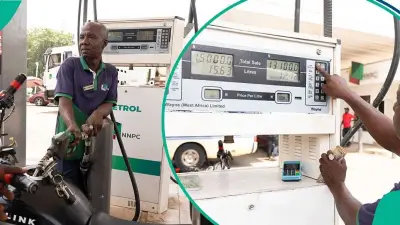
Energy markets have remained highly volatile, reflecting the ongoing uncertainty in the Middle East. While Brent crude prices sat at approximately $95.86 per barrel on Friday, down from a conflict peak of $120, they remain significantly elevated compared to pre-war levels. In the United Kingdom, North Sea oil prices recently hit record highs, with Forties Blend reaching nearly $147 as the market reacts to the continued instability.
Beyond energy, the conflict is beginning to impact food security for an estimated 45 million additional people due to rising fertilizer costs and transport disruptions. The IMF has urged governments to adopt defensive strategies, such as strengthening fiscal buffers and allowing for currency flexibility, to navigate the ongoing crisis.
Georgieva cautioned that even if a permanent peace deal is reached, there will be no "neat and clean return to the status quo." The lasting economic scars and fuel shortages are expected to persist, underscoring the need for proactive measures and international cooperation to address the multifaceted challenges posed by the conflict.