Iran's Economic Crisis Deepens Post-Conflict with Israel and US
Iran is confronting a severe and escalating economic crisis as inflation, which was already nearing 50 percent prior to the war, continues to surge dramatically following weeks of intense conflict and mounting sanctions pressure. The situation has created profound hardship for ordinary citizens, with prices for everyday goods skyrocketing across the board.
Sharp Price Hikes for Essentials
Prices for basic necessities, including food, medicine, and common household items, have increased sharply and unexpectedly. Residents report sudden and severe price jumps in multiple sectors. For instance, a Tehran resident described how the cost of a common food item rose from 700,000 rials to 1,000,000 rials in a very short timeframe. More alarmingly, life-saving medications have seen extreme price inflation, with reports indicating one cancer treatment tablet skyrocketing from approximately three million rials to a staggering 180 million rials.
Businesses are aggressively passing on their rising operational costs to consumers. In central Tehran, a popular café implemented a 25 percent price increase in just one day. In other regions, the cost of some imported goods has reportedly tripled, placing immense strain on household budgets.
Currency Collapse and Job Losses
The crisis is compounded by the severe weakening of the Iranian rial. The central bank's recent introduction of higher denomination banknotes, including a ten-million rial note, starkly reflects the currency's sharp devaluation amid ongoing economic instability. This monetary erosion directly contributes to the runaway inflation affecting all aspects of life.
The economic strain has triggered widespread unemployment, with numerous businesses shutting down permanently or significantly scaling back operations. Construction activity has slowed to a crawl, forcing many workers, including migrant laborers from neighboring Afghanistan, to leave Iran in search of employment opportunities elsewhere.
Infrastructure Damage and Sectoral Collapse
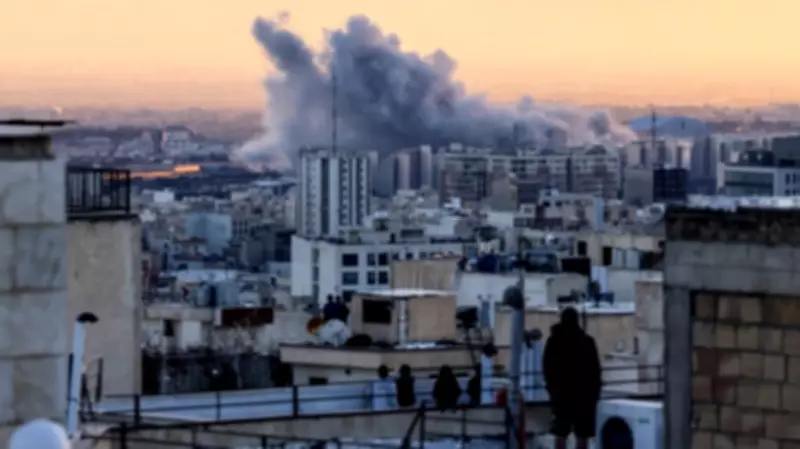
The recent conflict has inflicted significant damage on key sectors of the Iranian economy. Critical industries such as steel and petrochemicals have been hit hard, alongside vital infrastructure including roads and bridges. This physical destruction raises serious concerns about the country's capacity for long-term economic recovery and rebuilding.
Adding to the challenges, prolonged internet disruptions and communication blackouts have severely hampered access to global networks. This has been particularly damaging for individuals and businesses reliant on online commerce and digital connectivity, further stifling economic activity.
Banking Sector Under Severe Pressure
Experts are issuing stark warnings about the fragility of Iran's banking sector, which was already vulnerable before the war. According to former International Monetary Fund official Adnan Mazarei, weak balance sheets and a rising tide of loan defaults could push the financial system into deeper crisis.
The system's vulnerability is highlighted by previous banking failures, such as the collapse of Ayandeh Bank. There are growing concerns that additional financial rescues may become necessary, potentially forcing the central bank to increase the money supply—a move that would almost certainly drive inflation to even higher, more destructive levels.
A Nation Overwhelmed
Across Iran, residents express deepening anxiety about the future, describing the current situation as overwhelming due to mass layoffs, rampant business closures, and relentlessly rising living costs. With official inflation recorded at 47.5 percent in February, the economic outlook remains highly uncertain. The combination of soaring prices, rampant unemployment, and profound financial instability continues to devastate households nationwide, with no clear path to stabilization in sight.