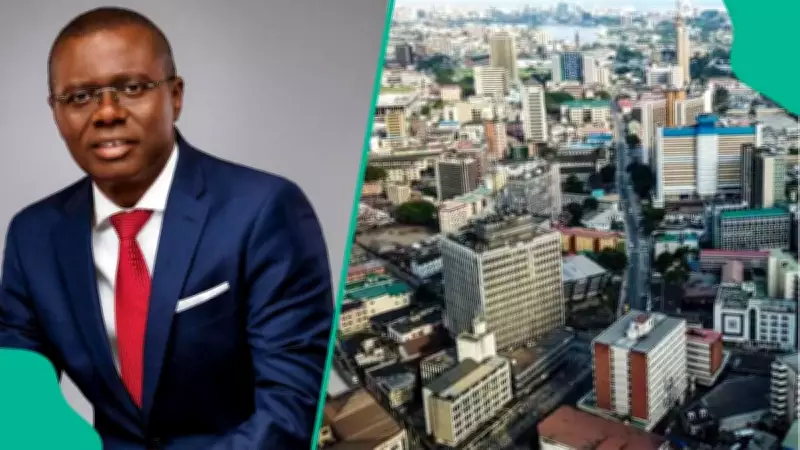
Lagos Emerges as Africa's Fourth Most Expensive City for Rental Housing
Lagos has been ranked as the fourth most expensive African city for renting a two-bedroom apartment, according to a recent report, with annual rents reaching a staggering N26.8 million. This places the Nigerian metropolis behind Abidjan, Cape Town, and Accra in terms of rental costs, highlighting a severe affordability crisis for residents.
Rental Surge and Affordability Challenges
The report, titled "Average Rent of 2-Bedroom Apartments Across Africa's Key Cities," reveals that renting a luxury two-bedroom apartment in upscale Lagos neighborhoods such as Ikoyi, Banana Island, and Victoria Island averages $19,379 (approximately ₦26.8 million) per year. Over the past two years, rents have surged between 50% and 200%, as noted by real estate expert Chudi Ubosi, Principal Partner at Ubosi Eleh + Co.
This sharp increase has pushed the income-to-rent ratio to around 70%, far above the United Nations' recommended affordability threshold of 30%. The high cost of homeownership, driven by inflation, expensive building materials, and steep borrowing rates, has forced more Nigerians into the rental market, intensifying demand and enabling landlords to raise prices beyond many tenants' means.
Factors Driving High Rental Costs in Lagos
Several key factors contribute to Lagos' elevated rental prices:
- Limited land availability in prime districts, coupled with strong demand for housing.
- Rising construction expenses and speculative activity in the real estate sector.
- Currency depreciation, which affects costs, especially as many luxury properties are priced in dollars, limiting access to a small, affluent segment of the population.
Other African cities listed in the report include Douala, Nairobi, Kigali, Dar es Salaam, Cairo, and Casablanca, but Lagos stands out due to its rapid price increases and significant impact on household finances.
Investment Opportunities Amid Housing Pressure
While the rental crisis strains households, it also creates opportunities for investors. Analysts point to growing potential in build-to-let developments, particularly for smaller units like one- and two-bedroom apartments that cater to high demand. Rising rents are pushing residents toward suburban areas where housing is relatively cheaper, but demand pressures are spilling over, with two-bedroom apartments in some outskirts now renting for between ₦1.5 million and ₦2.5 million annually.
Government Initiatives to Ease Financial Strain
In response to the crisis, the Lagos state government plans to introduce monthly and quarterly rent payment options to make housing more affordable. Housing commissioner Moruf Akinderu-Fatai explained that this policy aims to provide flexible payment methods, with a pilot phase currently being developed in consultation with landlords and stakeholders. This initiative seeks to alleviate the financial burden on residents amidst soaring rental costs.
The rental market in Lagos reflects broader economic challenges, including inflation and currency issues, which continue to shape housing affordability across Nigeria. As demand persists, both residents and investors must navigate a complex landscape of high costs and limited supply.