
The Lagos State Government has declared its unwavering commitment to strengthening evidence-based planning and resource optimisation as it prepares for the 2026 fiscal year. This pledge was made during the state's third Economic Roundtable, a key forum for shaping the economic future of Nigeria's commercial capital.
Building a Data-Driven Economic Future
At the discourse, themed 'Building forward: unlocking emerging sectors for an inclusive, resilient, and prosperous Lagos economy', senior officials outlined the strategic direction. The Permanent Secretary of the Lagos State Ministry of Economic Planning and Budget, Mrs. Olayinka Ojo, stated that the government is focused on deepening evidence-based planning and enhancing monitoring and evaluation frameworks.
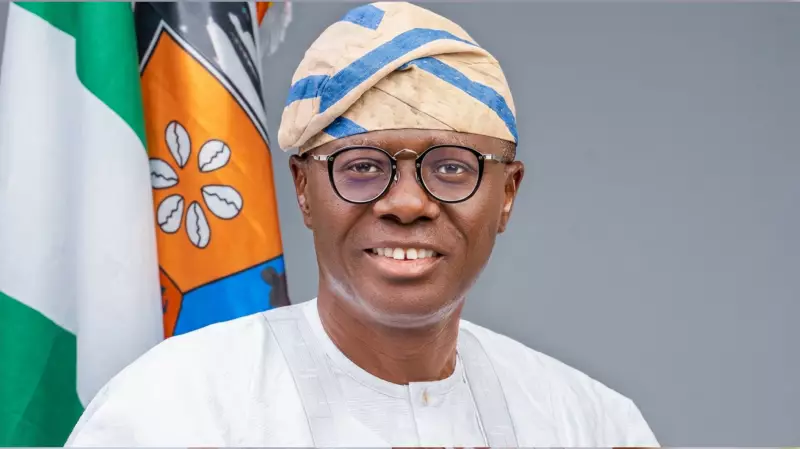
Ojo emphasised that the state's budgets must continue to reflect strategic priorities and that policies need to be coherent and forward-looking. She stressed the importance of positioning institutions to effectively deliver on the ambitious THEMES+ agenda of the administration led by Governor Babajide Sanwo-Olu.
Reflection and Repositioning for 2026
In his keynote address, the Commissioner for Economic Planning and Budget, Ope George, described the moment as decisive for Lagos's economic evolution. He highlighted the state's youthful population, dynamic private sector, and a governance structure increasingly driven by data and technology.
George stated that the roundtable was both timely and consequential as the state concludes the 2025 fiscal year. "We are positioned at a point where reflection and repositioning are not just necessary, but urgent," he said. He called for an objective review of the state's economic performance to identify successes and areas for refinement.
The Commissioner outlined the dual focus for the upcoming planning cycle:
- Reflection: Objectively reviewing Lagos's 2025 economic performance across key sectors.
- Repositioning: Crafting deliberate, data-driven policies for 2026 to address technological shifts, climate pressures, and changing global markets.
Unlocking Emerging Sectors for Growth
Mrs. Ojo acknowledged Lagos's role as Nigeria's economic nerve centre and one of Africa's fastest-growing sub-national economies. She noted its resilience in the face of global uncertainties, economic shocks, and rapid urbanisation.
"Sustaining this resilience requires more than momentum; it demands intentional planning, policy innovation, and strong partnerships anchored in shared responsibility," Ojo asserted. The roundtable discussions aimed to explore ongoing reforms in several critical areas:
- Public financial management
- Infrastructure investments
- Support mechanisms for Micro, Small, and Medium Enterprises (MSMEs)
- Diversification of emerging sectors vital for long-term transformation
The event, held on 6 December 2025, featured presentations from a wide range of stakeholders across different sectors, all focused on boosting Lagos's economy for greater impact. The consensus was clear: achieving an inclusive and prosperous future for Lagos hinges on collaborative, data-informed planning and budgeting.




