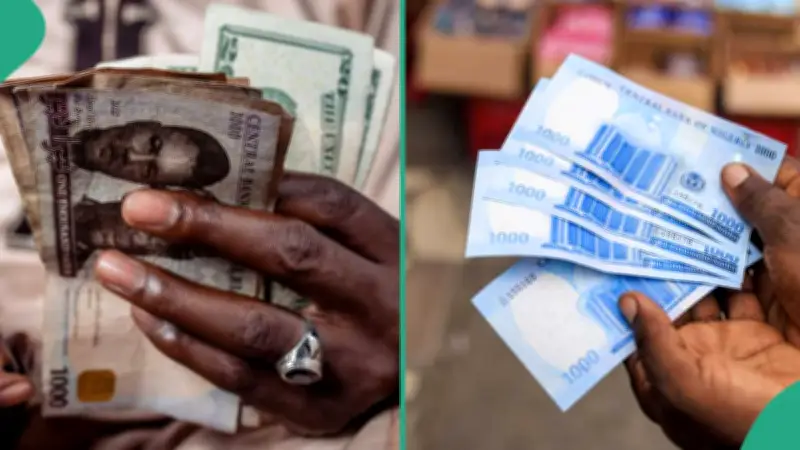
The Nigerian naira has been ranked as the second-best-performing currency in Africa during the first half of 2026, according to data from the real-time trading platform African Markets. The naira appreciated by 3.36% against the US dollar, moving from N1,422.63/$ in January to N1,374.76/$ by the end of June. This performance defied a difficult economic environment that saw most currencies across the continent lose value against the greenback.
Only Four African Currencies Gained in H1 2026
Out of 17 major African currencies tracked, only four recorded gains between January and June 2026, while 13 depreciated. Zambia's kwacha led the pack with a 7.73% appreciation, followed by Nigeria's naira at 3.36%. South Africa's rand ranked third with a 0.90% gain, and Namibia's dollar came fourth with 0.66% appreciation. The performance came despite heightened global market uncertainty triggered by the US-Iran conflict, which disrupted oil supplies and pushed Brent crude above $100 per barrel at its peak, increasing inflationary pressures across many African economies. An interim ceasefire later eased supply concerns, bringing crude prices down to around $71 per barrel.
Naira Strengthens on Improved FX Liquidity and Reforms
The naira's appreciation reflects improved foreign exchange liquidity, stronger foreign portfolio inflows, and the impact of ongoing reforms in Nigeria's foreign exchange market. The Central Bank of Nigeria (CBN) has implemented policies aimed at unifying exchange rates and attracting capital inflows, which have helped stabilize the currency. According to data from the CBN, the Nigerian Foreign Exchange Market (NFEM) recorded a closing rate of N1,502 per dollar at the end of trading on a recent day, indicating some volatility but overall positive trends.
Afreximbank Warns of Continued Pressure on African Currencies
In its African Economic Outlook 2026, Afreximbank noted that the external shock from the Middle East conflict weakened many African currencies, particularly in oil-importing countries. The bank reported that by the end of March 2026, the currencies of 29 African countries had depreciated against the US dollar, with 10 recording declines of more than two percentage points compared to baseline projections. Higher petroleum import costs and rising transport expenses intensified inflationary pressures across several economies. Afreximbank warned that continued external shocks could raise debt servicing costs, weaken fiscal balances, and increase pressure on foreign exchange reserves.
African Currencies That Weakened in H1 2026
Thirteen African currencies recorded losses against the US dollar during the period. Tanzania's shilling posted the biggest decline at 5.62%, followed by Ghana's cedi (5.46%) and Botswana's pula (5.16%). Zimbabwe's ZiG fell 4.08%, Egypt's pound lost 3.90%, Tunisia's dinar declined 2.43%, the CFA franc weakened 2.11%, and Morocco's dirham depreciated 1.83%. Uganda's shilling, Mauritius' rupee, Kenya's shilling, Rwanda's franc, and Malawi's kwacha also ended the first half of the year weaker against the US dollar.
Naira Performance in Context
The naira's strong performance in H1 2026 marks a significant turnaround from previous years when the currency faced persistent depreciation. The appreciation has been supported by increased foreign portfolio investment, improved dollar supply from the CBN, and the government's efforts to attract capital inflows. However, analysts caution that the naira remains vulnerable to external shocks, including fluctuations in oil prices and geopolitical tensions. The CBN has continued to intervene in the foreign exchange market to maintain stability, but the long-term sustainability of the naira's gains will depend on broader economic reforms and diversification of the economy.