Nigeria Resilient to Global Shocks, Poised to Benefit from Oil Price Surge - Wale Edun
Nigeria is strategically positioning itself to capitalize on escalating global oil prices while effectively managing associated economic vulnerabilities, according to the Minister of Finance and Coordinating Minister of the Economy, Wale Edun. Speaking at a World Bank presentation on Nigeria's Development Update in Abuja, Edun emphasized that the Federal Government aims to maximize revenue gains from higher crude oil prices driven by ongoing global tensions, particularly the Middle East crisis.
Economic Gains and Risks from Oil Price Fluctuations
Edun noted that Nigeria, as a major oil-producing nation, faces both opportunities and challenges from rising prices. While increased oil prices significantly boost government revenue, they simultaneously elevate costs across the economy, especially in critical sectors like energy and food production. He explained that higher gas prices are already contributing to inflationary pressures by increasing fertilizer costs, which in turn drives up food prices and places additional strain on households.
Inflation remains a primary concern, particularly as global uncertainties persist. Edun also highlighted the impact of rising interest rates in advanced economies, which could increase Nigeria's borrowing costs and debt servicing obligations. The Economic Management Team is actively analyzing various global scenarios and advising President Bola Tinubu on appropriate policy responses, including assessing the duration and impact of geopolitical tensions.
Strengthened Position Through Recent Reforms
Despite these challenges, Edun asserted that Nigeria is in a stronger economic position due to recent reforms. He urged policymakers to maintain consistency with fiscal and monetary policies to ensure stability and bolster investor confidence. He revealed that Nigeria's oil production has improved to approximately 1.84 million barrels per day, describing this as a positive development that could significantly strengthen government revenue if sustained.
The minister stressed that long-term economic growth will depend largely on private sector investment, noting that government alone cannot drive job creation or poverty reduction. He added that social intervention programs will continue to support vulnerable Nigerians, emphasizing that social safety nets are now a permanent feature of government policy.
Central Bank Deputy Governor on Enhanced Resilience
Also speaking at the event, Deputy Governor for Economic Policy at the Central Bank of Nigeria, Mohammed Sani Abdullahi, stated that Nigeria is better prepared to withstand global shocks than it has been in the past decade. He said multiple response scenarios have been developed based on the potential duration of the global crisis, ranging from short-term disruptions to prolonged conflicts.
Abdullahi attributed Nigeria's improved resilience to reforms in the foreign exchange market, which have enhanced transparency and allowed market forces to determine exchange rates. He noted that, unlike countries such as Turkey that spent heavily to defend their currencies, Nigeria has avoided similar interventions.
He added that the naira has shown signs of appreciation in recent weeks, reflecting improved market confidence, and announced plans to introduce a new foreign exchange manual to further strengthen the system and attract investment. According to him, Nigeria's external reserves remain strong, with foreign exchange inflows becoming more diversified as remittances increasingly compete with oil revenues.
World Bank's Development Update and Projections
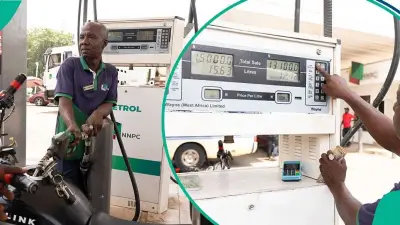
Presenting the Development Update, the World Bank's Lead Economist for Nigeria, Fiseha Haile, said the country's economy has remained resilient despite global challenges, with growth continuing into early 2026. However, he warned that indirect effects of global conflicts, particularly rising fuel prices, are significant. Petrol prices have risen by more than 50 percent since the start of the Middle East crisis, contributing to inflationary pressures.
Although inflation has declined from about 33 percent in 2024 to around 15 percent, it remains high and is beginning to rise again due to global factors, affecting household incomes and poverty reduction efforts. The report noted improvements in Nigeria's external position, including stronger reserves, reduced exchange rate volatility, and a unified foreign exchange system, but warned of risks such as declining foreign investment, reduced remittances, and higher borrowing costs.
The World Bank projects Nigeria's economy will grow at an average of about 4.2 percent between 2026 and 2028, supported by ongoing reforms and improved external conditions. Despite this outlook, the report stressed that poverty remains high and that many Nigerians have yet to feel the benefits of recent economic reforms, calling for inclusive growth that improves living standards.
Recommendations for Sustainable Growth
The report recommended disciplined fiscal management, including saving oil windfalls and avoiding widespread subsidies, as well as targeted support for vulnerable groups. Additional recommendations include:
- Maintaining tight monetary policy to control inflation
- Improving electricity supply
- Reducing the cost of governance
- Strengthening non-oil revenue generation
The report also emphasized the need for greater investment in human capital, particularly early childhood development. It noted that about seven million children are born annually in Nigeria, with significant challenges including high child mortality rates and widespread stunting. According to the report, addressing these issues through improved healthcare, nutrition, and education systems is essential for long-term productivity and economic growth.