
Petrol Price War Erupts as Nigerian Filling Stations Slash Rates to Attract Motorists
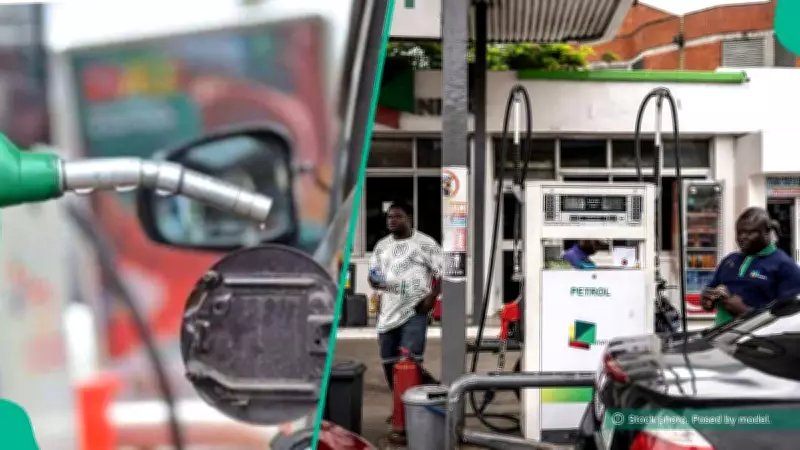
Intense competition among petrol marketers in Nigeria has triggered a significant reduction in fuel prices at various filling stations, as retailers aggressively vie for customer loyalty and market dominance. This price war has resulted in notable decreases at pumps across key locations, offering motorists more affordable options amidst economic pressures.
Price Adjustments Along Lagos-Ibadan Expressway
Along the bustling Lagos-Ibadan Expressway, SGR Filling Station has emerged as a leader in price cuts, reducing its petrol pump price to N805 per litre from N812 earlier in the week. This move solidifies its position as the cheapest retailer in the Mowe axis, following a similar reduction by a nearby NIPCO outlet at Lotto, which slashed its rate from N828 to N812 per litre.
Other stations have quickly followed suit to remain competitive. At Ibafo, Alade Filling Station is selling petrol at N820 per litre, while Habeeb Filling Station maintains a rate of N819 per litre. SAO stations in Mowe and Lotto are dispensing Premium Motor Spirit (PMS) at N825 per litre, with numerous other outlets across the axis adjusting their prices to match or undercut rivals.
Dangote Refinery's Strategic Price Cut
Earlier in the week, Dangote Petroleum Refinery and Petrochemicals FZE announced a reduction in its petrol gantry price by N25 per litre, from N799 to N774, effective immediately. In a notice to marketers, the refinery's Group Commercial Operations Department stated, "This is to notify you of a change in our PMS gantry price from N799 per litre to N774 per litre." This adjustment aims to enhance the competitiveness of locally refined products, with Dangote noting that the landing cost of imported PMS from Lome is approximately N793 per litre, compared to its N774 ex-depot rate.
However, despite this depot-level reduction, several MRS outlets and other partners have been slow to reflect the cut at the pump, with many maintaining rates around N839 per litre. Notably, pump prices were adjusted more swiftly during previous increases in depot prices, highlighting a disparity in response times.
Mixed Responses from Major Retailers
The Dangote-partnered MRS Oil Nigeria Plc station at Olowotedo has reduced its pump price to N825 per litre from N839, attracting motorists seeking lower rates. In contrast, another MRS outlet near the Redeemed Christian Church of God camp continues to sell at N839 per litre, even as a neighbouring AP station dropped its price to N834 per litre.
Outlets operated by the Nigerian National Petroleum Company Limited (NNPC) in Lagos and Ogun are selling petrol between N837 and N840 per litre, depending on location and local competition levels. However, at the NNPC retail station in Ikeja, Lagos, prices have been adjusted downward by N25 to N815 per litre from the previous rate of N840, indicating a responsive approach to market dynamics.
Industry Insights and Future Expectations
The Major Energies Marketers Association of Nigeria reports that the average landing cost of imported petrol is N722.08 per litre, approximately N52 lower than Dangote's ex-depot price. This discrepancy underscores ongoing debates about pricing structures and importation costs within the sector.
Expectations of further price reductions are high, as Dangote Refinery has announced its readiness to increase petrol production. The refinery recently achieved a landmark operational milestone, reaching its full nameplate capacity of 650,000 barrels per day (bpd). This development positions it as one of the largest single-train refineries globally and marks a defining moment for Nigeria's oil and gas sector, following successful restoration and optimisation of its Crude Distillation Unit and Motor Spirit production block.
As competition intensifies, Nigerian motorists are benefiting from increased choice and lower costs, though inconsistencies in price adjustments across stations highlight the complex interplay between depot prices, retailer strategies, and market forces. This price war reflects broader trends in Nigeria's energy market, with local refining efforts gradually reshaping supply dynamics and consumer affordability.




