
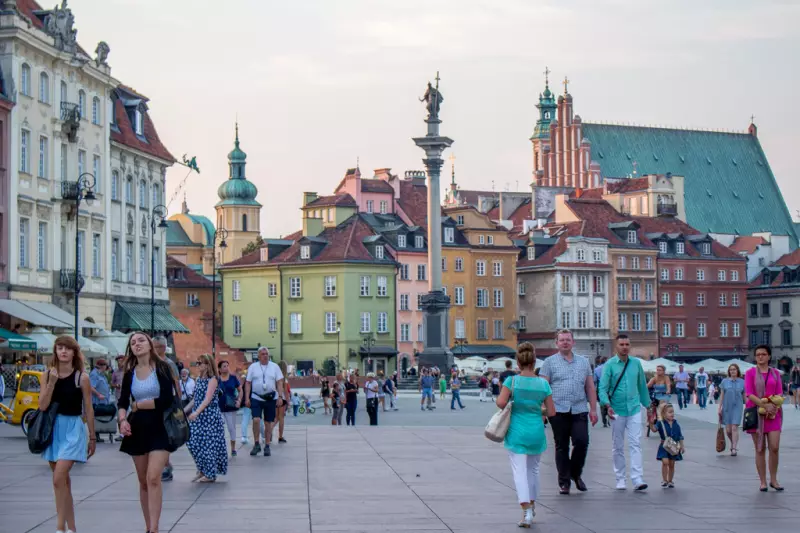
Poland is confronting what experts describe as a demographic time bomb that could transform parts of the country into ghost towns within the next two decades. The nation's birthrate has plummeted to alarming levels, creating what demographers call a "population emergency" with potentially devastating consequences.
The Shocking Numbers Behind Poland's Population Decline
Recent statistics reveal that Poland's fertility rate has dropped to approximately 1.25 children per woman, significantly below the replacement level of 2.1 needed to maintain a stable population. This represents one of the lowest birthrates in the entire European Union, painting a grim picture for the country's future.
Demographic analysts project that if current trends continue unchecked, Poland could see its population shrink by nearly 30% by 2060. This dramatic decline would leave many rural areas and smaller towns virtually abandoned, creating what experts ominously refer to as "ghost towns."
Economic Implications of a Shrinking Population
The consequences extend far beyond empty streets and abandoned homes. A shrinking workforce threatens to cripple Poland's economy, creating a perfect storm of challenges:
- Labor shortages across multiple sectors including manufacturing, healthcare, and technology
- Strained pension systems as fewer workers support growing numbers of retirees
- Reduced economic growth and diminished international competitiveness
- Collapsing local economies in rural regions as populations dwindle
Root Causes of Poland's Demographic Crisis
Several interconnected factors have contributed to this alarming trend. Economic uncertainty remains a primary concern, with many young Poles delaying starting families due to financial pressures. High housing costs and precarious employment situations make family planning increasingly difficult for the younger generation.
Additionally, significant emigration has exacerbated the problem. Since Poland joined the European Union in 2004, approximately 2.3 million Poles have sought opportunities abroad, primarily in the United Kingdom and Germany. This brain drain has stripped the country of many young, educated citizens in their prime childbearing years.
Government Response and Potential Solutions
The Polish government has implemented various programs to address the crisis, including the popular "500+" child benefit scheme that provides financial support to families. While these measures have helped some families, they haven't reversed the overall downward trend.
Demographers suggest that a more comprehensive approach is needed, combining:
- Enhanced family support policies including affordable housing and childcare
- Economic reforms to create stable, well-paying jobs for young professionals
- Initiatives to encourage repatriation of Poles living abroad
- Strategic immigration policies to attract skilled workers
As Poland stands at this demographic crossroads, the decisions made today will determine whether the specter of ghost towns becomes reality or if the nation can successfully navigate its population challenges to ensure a vibrant future.




