
The city of San Francisco has launched a groundbreaking legal battle against some of the world's largest food and beverage corporations. The lawsuit, filed on Tuesday, accuses companies including Kellogg, Nestle, Kraft Heinz, and Coca-Cola of knowingly engineering and marketing unhealthy ultra-processed foods that have fueled a national public health crisis.
A First-of-its-Kind Legal Challenge
In what city officials describe as a first-of-its-kind lawsuit, San Francisco is taking direct aim at the business practices of the grocery industry's biggest names. The case was lodged in the San Francisco Superior Court and seeks unspecified damages.
City Attorney David Chiu stated the companies created the crisis by making food "unrecognizable and harmful to the human body" in pursuit of profit. "These companies engineered a public health crisis, they profited handsomely, and now they need to take responsibility for the harm they have caused," Chiu said.
The Allegations: From 'Poison' to Targeting Children
The lawsuit draws a direct comparison to the tactics of the tobacco industry. It claims manufacturers pushed products they knew were harmful while using marketing that obscured the risks. A significant allegation is that the industry deliberately targeted children to drive profits.
"Just like Big Tobacco, the ultra-processed food industry targeted children to increase their profits," a statement from the city read. It cited the use of cartoon mascots like Tony the Tiger and Fred Flintstone to inundate young audiences with consistent advertising messages.
The suit aligns with criticisms from figures like U.S. Health and Human Services Secretary Robert Kennedy, who has frequently called processed foods "poison" and blamed them for rising obesity and chronic illness, particularly among the young.
Defining the Problem and the Industry's Response
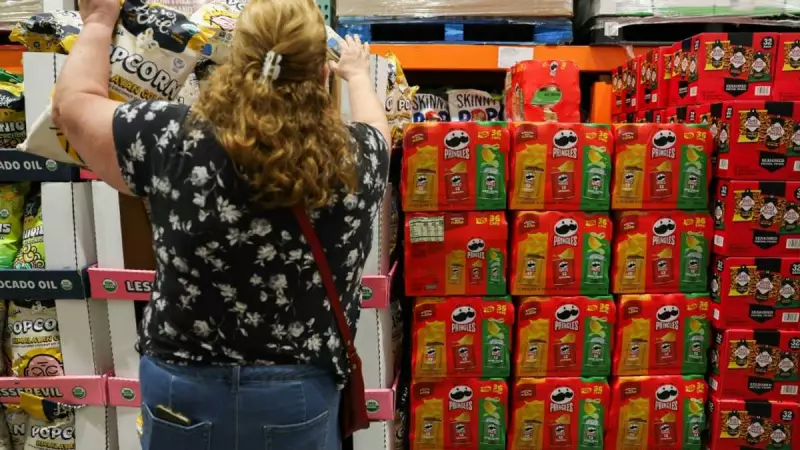
Ultra-processed foods, which include items like candies, chips, sodas, and many breakfast cereals, are typically made from chemically modified ingredients and artificial additives. The lawsuit claims a staggering 70% of products in U.S. supermarkets fall into this category.
This consumption is linked to severe health outcomes. According to the U.S. Centers for Disease Control, 40% of Americans are obese, and nearly 16% have diabetes—a condition often linked to excessive weight.
In response, Sarah Gallo of the Consumer Brands Association, which represents many of the sued companies, defended the industry. She stated that manufacturers support healthier choices and transparency, arguing there is "no agreed upon scientific definition of ultra-processed foods." Gallo emphasized that companies adhere to government safety standards to deliver safe, affordable, and convenient products.
This lawsuit places San Francisco at the forefront of a growing political and public health movement, making common cause with the Make America Healthy Again (MAHA) movement. It signals a potential wave of legal and regulatory scrutiny facing the global food industry.




