
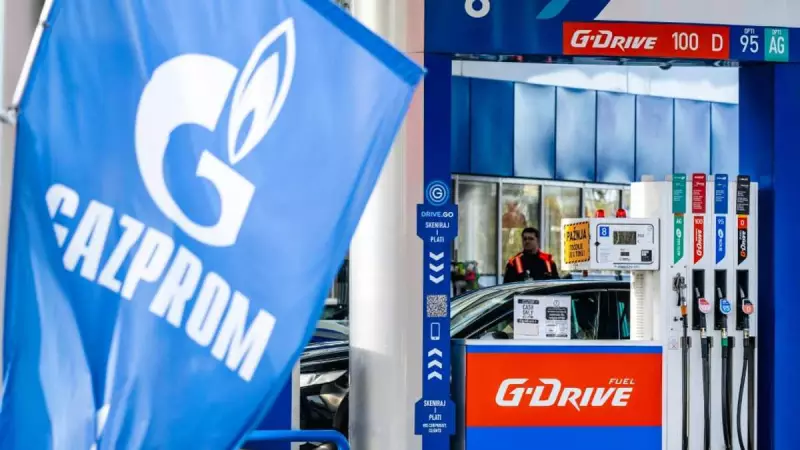
The forced closure of Serbia's sole oil refinery is expected to inflict long-term damage on the nation's economy, with experts warning the repercussions could linger for years. The shutdown puts thousands of jobs in jeopardy, threatens state finances, and exposes the country to severe financial sanctions.
Sanctions Force a Critical Shutdown
The Petroleum Industry of Serbia (NIS) refinery halted operations after being unable to receive crude oil since October 9. This crisis stems from US sanctions imposed on its majority Russian owners following Moscow's invasion of Ukraine. Washington is demanding a complete exit of Russian shareholders, but negotiations for a potential sale have stalled, leading to the definitive shutdown on Tuesday, December 2nd.
Dejan Soskic, an economics professor and former central bank governor, emphasized the gravity of the situation. He told AFP that any reduction in the refinery's activity would have a substantial impact on overall economic activity, potentially shrinking economic growth for years to come.
Widespread Economic and Social Fallout
The loss of the facility, which met 80 per cent of Serbia's domestic fuel needs, forces a massive and costly shift to imports. While Hungarian energy firm MOL agreed last month to increase oil shipments, experts caution that long-term reliance on fuel imports is neither sustainable nor economically feasible.
The financial toll is significant. NIS and its affiliates contributed more than two billion euros to the state budget last year, equating to nearly 12 per cent of Serbia's total budget. The company is also a major employer, with over 13,500 staff, and operates around one-fifth of the country's petrol stations.
Energy expert Zeljko Markovic warned that if NIS is cut off from Serbia's payment system—a move threatened by the sanctions—its filling stations would also be forced to close. Combined with the impending loss of over 100 stations operated by Russia's sanctioned Lukoil, nearly a third of all fuel stations in Serbia could shut down.
Risk of Financial System 'Destruction'
Serbian President Aleksandar Vucic has outlined the extreme risks. He stated that continuing to deal with the sanctioned NIS could lead to the complete destruction of Serbia's financial system if Washington decides to sanction the national central bank as well.
Professor Soskic explained that such an action would blacklist the bank, end normal business conditions in Serbia, and likely result in a freeze of its foreign assets and a ban from overseas markets. This would cripple the bank's core functions.
President Vucic has set a mid-January deadline for the sale of NIS, with reported interest from bidders in Hungary and the United Arab Emirates. If talks fail, the Serbian government has prepared to nationalize the company, setting aside 1.4 billion euros in the budget for this purpose. This comes after Belgrade sold a controlling stake to Russia's Gazprom in 2008 for 400 million euros.
Amidst the refinery crisis, Serbia is also negotiating a new contract for Russian gas, which supplies 90 per cent of its needs. Vucic has warned that if a deal is not secured by Friday, negotiations with an alternative supplier will begin on Monday.




