Trade Union Congress Issues Urgent Demand for Fuel Price Reduction
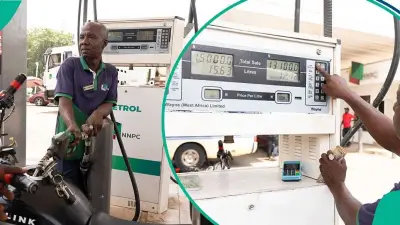
The Trade Union Congress of Nigeria has issued a stark warning to the Federal Government, demanding immediate action to reduce fuel prices as costs approach ₦2,000 per litre nationwide. The union emphasized that Nigerian workers can no longer afford basic transportation expenses due to the escalating petroleum pump prices.
Workers Facing Excruciating Financial Pain
Speaking at a State of the Nation press conference in Abuja on Thursday, TUC President Festus Osifo painted a grim picture of the current economic reality facing Nigerian workers. "Today, we are seeing that the cost of petrol is edging towards ₦2,000 per litre depending on the part of the country that you are in," Osifo stated. "Nigerian workers are already passing through excruciating pain as we speak."
The TUC president directly linked the fuel price crisis to the broader economic challenges facing workers, stating that "oil price has affected deeply the purchasing power of salaries that we earn as Nigerian workers." He argued that workers' salaries are no longer sufficient to cover basic living expenses, with transportation costs becoming particularly burdensome.
Proposed Solution: Redirect Excess Crude Revenue
Osifo presented a specific proposal to address the crisis, calling on the government to redirect excess crude oil revenue to subsidize local refineries. With the 2026 Appropriation Act setting the crude oil benchmark at $64.85 per barrel and current international prices hovering around $100 per barrel due to Middle East tensions, Nigeria is earning approximately $35 per barrel above budget projections.
"Let government take the excess fund that was never budgeted for, take at least 60 percent of that excess fund then use it to subsidise the crude being supplied to Dangote Refinery," Osifo proposed. He emphasized that this production-side intervention would be more effective and less susceptible to abuse than previous downstream subsidy arrangements.
Currency Exchange Rate Connection
The TUC president also connected the fuel price crisis to Nigeria's currency challenges, arguing that if the exchange rate was stabilized between ₦800 and ₦900 to the dollar, Nigerians would be paying less than ₦1,000 per litre at the pump. This highlights the interconnected nature of Nigeria's economic challenges, where currency devaluation directly impacts domestic fuel prices.
Security Concerns Raised Alongside Economic Demands
Beyond economic issues, Osifo used the press conference to address growing security concerns across Nigeria. His remarks came just one day after the United States issued a significant travel advisory on April 8, ordering the evacuation of non-emergency embassy personnel from Abuja and flagging 23 Nigerian states under its highest warning level of "Do Not Travel."
The TUC president condemned the continued killing of citizens across the country as unacceptable and called on the government to equip security agencies with modern technology needed to confront terrorism, kidnapping, and civil unrest threats. This dual focus on economic and security challenges reflects the comprehensive nature of the crisis facing Nigerian workers.
Government Response and Broader Context
The Federal Government has previously pushed back against international security assessments, insisting that Nigeria's security environment remains stable. However, the TUC's demands come amid broader economic pressures, including recent World Bank reports indicating that 63% of Nigerians continue to live in poverty despite some reduction in inflation rates.
For Nigerian workers already stretched to their financial limits, Thursday's press conference represented more than just policy suggestions—it served as a powerful statement about how dire the situation has become. The Trade Union Congress has positioned itself as a vocal advocate for workers' interests during this period of economic hardship, demanding concrete action rather than mere assurances from government authorities.