
Zimbabwe Celebrates Historic Inflation Achievement After Nearly Three Decades
In a landmark economic development, Zimbabwe has recorded single-digit inflation for the first time since 1997, signaling a potential turning point after years of financial instability. Official statistics reveal that the annual inflation rate plummeted to 4.1 percent in January, a dramatic decrease from the 15 percent recorded in the previous month.
A Crucial Step Toward Currency Reform
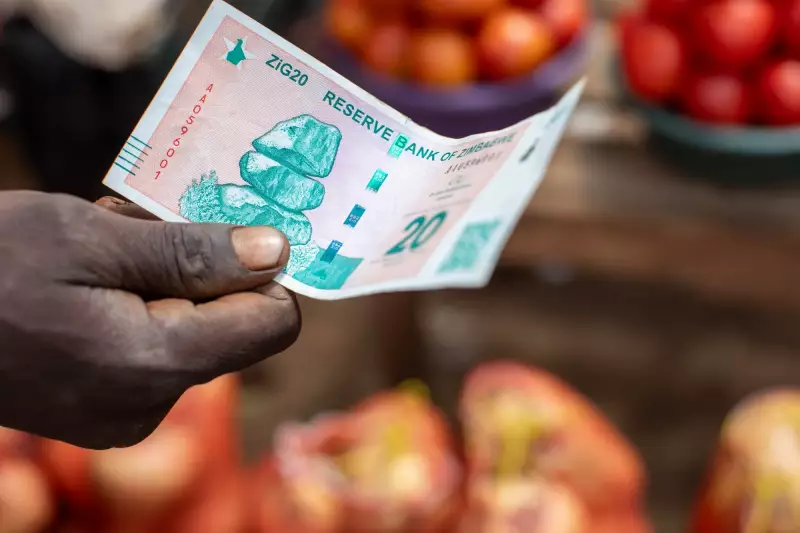
This achievement is particularly significant as it aligns with Zimbabwe's ambitious plan to make the gold-backed ZiG (Zimbabwe Gold) the country's exclusive currency by 2030. The ZiG, introduced in April 2024, represents the nation's sixth attempt since 2009 to replace the US dollar as the primary medium of exchange.
Finance Minister Mthuli Ncube emphasized the historic nature of this milestone in a statement issued on January 26, 2026. "This marks a historic moment for Zimbabwe," Ncube declared, noting that nearly three decades have passed since the country last experienced single-digit inflation in its domestic currency.
Requirements for ZiG's Full Implementation
The Reserve Bank of Zimbabwe has established several critical benchmarks that must be achieved before the ZiG can function as the sole currency. These prerequisites include:
- Maintaining consistent single-digit inflation rates
- Building sufficient foreign reserves to cover three to six months of imports
- Implementing coordinated monetary and fiscal policies
According to Minister Ncube, the foreign assets backing the ZiG have shown remarkable growth, increasing from $276 million at the currency's launch to $1.2 billion by December. This substantial reserve accumulation has been instrumental in restoring public confidence in the national currency.
Impact on Household Economics and Business Environment
The declining inflation is already beginning to positively affect everyday life for Zimbabwean citizens. Government data comparing prices between January 2025 and December 2025 shows minimal changes or even decreases in the cost of essential commodities such as:
- Bread
- Mealie meal
- Sugar
- Cooking oil
The Ministry of Finance, Economic Development and Investment Promotion highlighted several benefits of price stability in their official statement. For citizens, stable prices help preserve purchasing power and protect savings. For businesses, this environment enables long-term planning, reduces operational costs, and enhances profitability while minimizing speculative activities that can distort economic conditions.
Government's Forward-Looking Strategy
Minister Ncube outlined the government's comprehensive approach to maintaining this economic progress. "The objective of the Government is to maintain single digit inflation for the year and beyond as part of the macro-economic stabilising framework," he stated.
The finance minister specifically called for collaboration from all stakeholders, urging businesses to exercise restraint in price setting and encouraging labor unions to align salary adjustment requests with actual inflation developments. This cooperative approach, Ncube believes, will help entrench the stability achieved through the structured introduction of the ZiG currency and its backing by tangible reserves.
Regional Alignment and Future Prospects
Zimbabwe's achievement brings the country in line with Southern African Development Community (SADC) macroeconomic benchmarks, which target an inflation range of 3 to 7 percent. This alignment represents significant progress toward regional economic integration standards.
Looking ahead, the government has emphasized that the focus now shifts to defending single-digit inflation for the foreseeable future. This milestone, described as "central to Zimbabwe's long-term economic goals," supports the nation's Vision 2030 initiative aimed at creating a prosperous and empowered upper middle-income society.
The successful management of inflation through coordinated fiscal and monetary policies demonstrates Zimbabwe's commitment to overcoming decades of economic challenges and building a foundation for sustainable growth.




