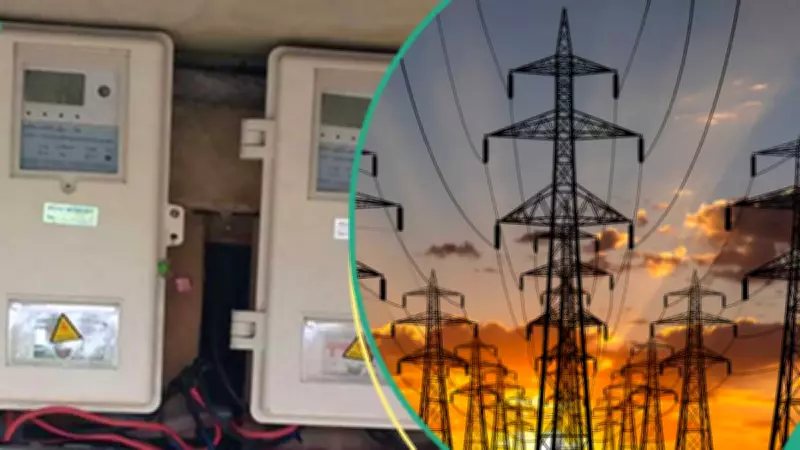
AEDC Announces Ambitious Plan for Near-24-Hour Power Supply in Four Nigerian States
The Abuja Electricity Distribution Company has unveiled a comprehensive strategy to dramatically reduce blackouts and deliver significantly improved electricity supply across four Nigerian states by 2027. The ambitious plan targets the Federal Capital Territory, Niger, Kogi, and Nasarawa states, promising a transformative shift in power reliability for millions of residents and businesses.
Gas Plant to Power Major Infrastructure Upgrade
At the heart of this initiative is a 350-megawatt gas plant currently under development in Gwagwalada by the Nigerian National Petroleum Company. During a stakeholder engagement in Abuja, AEDC's Chief Executive Officer, Engr. Chijioke Okwuokenye, explained that this facility will substantially boost electricity supply to Abuja and surrounding communities once operational.
The project is expected to come online either in the last quarter of this year or sometime next year, providing critical generation capacity that would shield the distribution company from the frequent fluctuations in supply from the national grid. This strategic infrastructure investment represents a major step toward energy independence for the affected regions.
Immediate Improvements and Long-Term Vision
As part of immediate measures, AEDC is constructing a new feeder line to Wuse beginning in the second week of March, with the goal of ensuring customers in this district receive at least 20 hours of electricity daily. Similar improvements are planned for Idu and other key areas within the company's franchise territory.
"It may sound ambitious, but it is achievable," Okwuokenye stated, emphasizing that the company has secured backing from its board, shareholders, and government partners. He maintained that by this time next year, the frequent power drops currently experienced by customers would largely become a thing of the past.
Addressing Systemic Challenges
The announcement comes against the backdrop of nationwide electricity supply challenges, with AEDC attributing recent power availability reductions to decreased allocations from the national grid. Seasonal factors affecting generation and transmission have compounded these issues, creating persistent reliability concerns across Nigeria's power sector.
Beyond generation constraints, AEDC identified energy theft as a major obstacle to stable electricity distribution. Okwuokenye described this as a colossal challenge affecting distribution companies nationwide and called for customer cooperation in tackling the menace. The company also stressed the need to revisit current tariff structures to address the liquidity crisis plaguing the power sector, noting that without cost-reflective tariffs, sustaining long-term improvements could prove difficult.
Metering Progress and Transparency Initiatives
On the metering front, AEDC revealed significant progress with 70,000 meters deployed under the Federal Government's free metering scheme. This rollout is expected to improve billing transparency, reduce estimated charges, and strengthen customer confidence in the electricity distribution system.
Regional Economic Implications
If the planned projects stay on track, residents and businesses in the FCT, Niger, Kogi, and Nasarawa may finally experience sustained relief from erratic power supply. This development could reshape economic activity and daily life across the region, potentially stimulating business growth, improving quality of life, and attracting new investments to areas previously hampered by unreliable electricity.
The AEDC initiative represents one of the most comprehensive power sector improvement plans announced in recent years, combining infrastructure development, theft reduction measures, and customer engagement strategies to create a more resilient electricity distribution system for millions of Nigerians.