
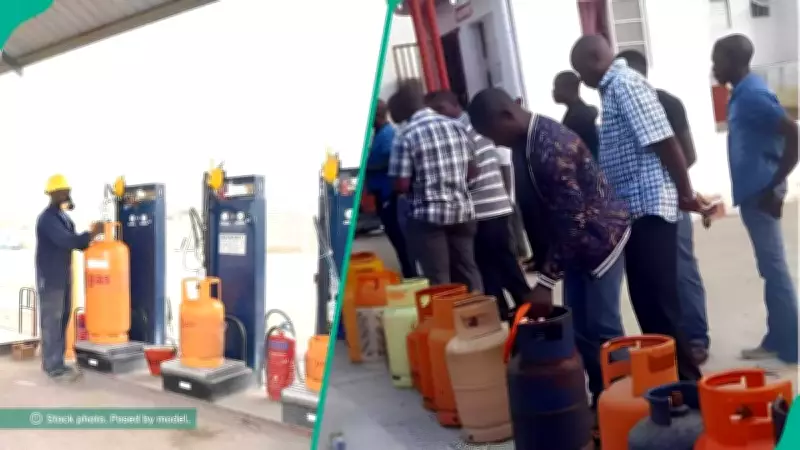
Cooking Gas Prices in Nigeria Jump by N100 per Kilogram
Depot owners across Nigeria have implemented a significant price increase for liquefied petroleum gas (LPG), commonly known as cooking gas, raising rates by an average of N100 per kilogram. This adjustment comes as geopolitical turmoil in the Middle East disrupts global energy markets, with direct consequences for Nigerian consumers and small businesses.
Geopolitical Tensions Drive Global Oil Price Surge
The price hike follows coordinated US–Israel airstrikes on Iran, which have disrupted crude oil flows from the Persian Gulf to international markets. This conflict has triggered a sharp rise in global crude oil prices, with Nigeria's benchmark Bonny Light crude climbing to $80 per barrel from $70, marking its highest level since July 2025.
Global benchmarks have also posted strong gains:
- Brent crude increased to $79.08 per barrel from $72.87
- Murban crude rose to $81.05 from $74.24
- West Texas Intermediate advanced to $72.24 from $62 per barrel
These international price spikes have quickly filtered into Nigeria's downstream sector, where LPG—largely imported—is highly sensitive to global pricing and foreign exchange fluctuations.
New Pricing Structure from Major Distributors
Major Nigerian LPG distributors have adjusted their rates accordingly. According to Petroleumprice.ng reports:
- NIPCO Plc now sells at N950 per kilogram
- Navgas Limited is pricing at N900 per kilogram
- Techno Oil Limited has set prices at N885 per kilogram
These new prices represent a substantial increase from the previous market average of approximately N800 per kilogram, placing additional financial pressure on households and small enterprises that rely heavily on LPG for domestic and commercial energy needs.
Impact on Nigerian Households and Businesses
A retailer at a Lagos Island filling station, who requested anonymity, explained the situation: "Every time there is a crisis in the Middle East, we feel it here in Lagos. We have no choice but to adjust our prices. The product coming in is more expensive."
This sentiment reflects the broader economic reality facing Nigerian consumers, who must now allocate more of their household budgets to essential energy costs.
Regulatory Context and Supply Data
In its January report, the Nigerian Midstream and Downstream Petroleum Regulatory Authority (NMDPRA) disclosed that Nigeria currently maintains about 18 days of national LPG sufficiency, indicating improved stock levels nationwide. The regulator reported that average daily supply stands at 5,110 metric tonnes, while average daily consumption is estimated at 5,050 metric tonnes for January 2026, suggesting a near balance between supply and demand.
The NMDPRA also noted that retail prices in January 2026 ranged between N950 and N1,550 per kilogram, depending on location.
Historical Price Context
According to National Bureau of Statistics data, Nigerians paid slightly less to refill LPG cylinders in January 2026 compared to the previous month. The average retail price for refilling a 5kg cylinder stood at N5,404.19 in January, representing a modest 0.82% increase from the N5,360.43 recorded in December 2025.
This latest N100 per kilogram increase represents a more substantial price adjustment that will likely have more pronounced effects on household budgets and small business operations across Nigeria.




