
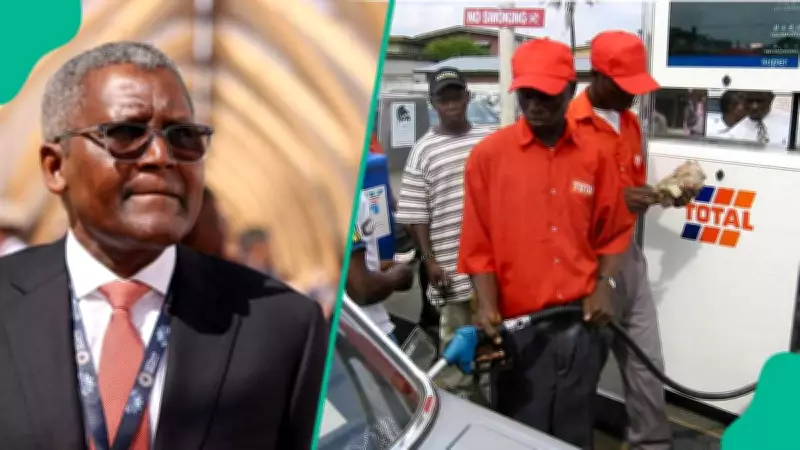
Dangote Refinery Forges Alliance with Fuel Marketers to Strengthen Petrol Supply Chain
The Dangote Petroleum Refinery has entered into a strategic partnership with major fuel marketers in Nigeria to enhance the nationwide supply of petrol and mitigate risks associated with reliance on a single source. This initiative was announced by the Major Energies Marketers Association of Nigeria (MEMAN), highlighting a move to improve operational efficiency and distribution channels across the country.
Details of the Partnership and Regulatory Consultation
MEMAN Chairman, Hubb Stokman, disclosed the arrangement during a webinar hosted by the association, noting that it was developed in consultation with regulators to ensure alignment with market realities. Stokman emphasized that while Nigeria now possesses a refinery capable of meeting most domestic fuel demand, dependence on one facility could pose significant challenges, including concentration risks and supply disruptions.
He explained that distributing products through multiple marketers helps spread supply channels, thereby enhancing efficiency and resilience in the downstream sector. This approach is designed to address concerns about market dominance and ensure a more stable fuel supply amid global uncertainties.
Global Market Volatility and Supply Flexibility
Stokman pointed to recent volatility in the global oil market, triggered by the Middle East crisis, as a key factor reinforcing the need for flexible supply arrangements. He noted that the crisis occurred shortly after the supply agreement was introduced, leading to rapid fluctuations in global prices. Despite these challenges, the Nigerian market has remained relatively stable, with the partnership delivering positive results in maintaining supply security.
However, he stressed the importance of continuous adjustments in response to changing global conditions, warning against rigid market strategies that could hinder adaptability. The Nigerian Midstream and Downstream Petroleum Regulatory Authority (NMDPRA) maintains a needs-based approach to fuel imports, with Nigeria reportedly holding over 30 days of petrol stock as of early March, providing a buffer against global uncertainties.
Expert Insights on Market Competition and Pricing
Energy expert Joe Nwakwue, a partner at Zeta Advisory and Consulting, emphasized the critical need for a competitive market structure during the event. He warned that reliance on a single refinery could create dominance risks, which must be mitigated through regulatory measures and the allowance of fuel imports to maintain competition and prevent price distortions.
Nwakwue noted that Nigeria remains exposed to global oil price fluctuations, as domestic fuel pricing is tied to international benchmarks like Brent crude. He suggested mechanisms such as the naira-for-crude policy could be structured to reduce the impact of volatility. Additionally, he raised concerns about policy inconsistencies, urging regulators to provide clearer direction to boost market confidence and avoid negative economic impacts from sharp petrol price increases.
Supply Security and Future Outlook
Stokman highlighted the role of the Nigerian National Petroleum Company (NNPC) Limited as a supplier of last resort, ensuring stability in supply across the country. Under the deregulated system, fuel prices in Nigeria continue to reflect international market trends, with supply security remaining strong due to collaborative efforts between the refinery, marketers, and regulatory bodies.
This partnership marks a significant step towards enhancing Nigeria's energy infrastructure, aiming to reduce supply bottlenecks and foster a more resilient petrol distribution network. As the market evolves, ongoing adjustments and competitive measures will be essential to sustain growth and stability in the sector.




