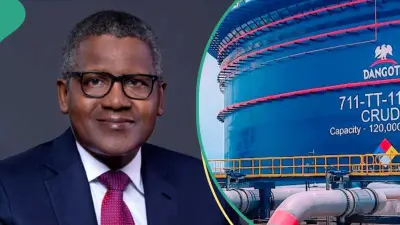
Africa's Refining Renaissance: Dangote Leads Major Energy Transformation in 2026
Africa's oil refining sector is experiencing a profound and transformative shift as we move through 2026. For generations, the continent has faced a paradoxical situation where it exported vast quantities of crude oil while simultaneously importing refined petroleum products due to outdated, inefficient, or non-operational refineries. This longstanding imbalance is now being systematically addressed through substantial investments, comprehensive facility upgrades, and the commissioning of major downstream projects that are fundamentally reshaping Africa's energy landscape.
Dangote Petroleum Refinery Dominates African Refining Capacity
The Dangote Petroleum Refinery stands as the undisputed leader in Africa's refining revolution. Located in the Lekki Free Trade Zone in Lagos, this monumental facility boasts an impressive capacity of 650,000 barrels per day, making it not only Africa's largest refinery but also placing it among the world's biggest single-train refineries. This privately owned industrial giant produces a comprehensive range of refined products including petrol, diesel, aviation fuel, and liquefied petroleum gas.
The refinery's impact on Nigeria's energy sector has been immediate and substantial, significantly reducing the country's dependence on imported fuels. As Africa's largest oil producer, Nigeria's enhanced refining capacity represents a strategic shift toward energy independence. Beyond national borders, the Dangote Refinery is positioning itself as a major export hub, supplying refined fuels to markets across West, Central, and Southern Africa. Its full operational ramp-up marks one of the most significant developments in Africa's downstream oil sector in recent decades.
Africa's Top Functional Refineries in 2026
Alongside the Dangote Refinery, several other major facilities are contributing to Africa's refining transformation:
- Skikda Refinery, Algeria - With a capacity of approximately 350,000 barrels per day, this North African complex remains crucial to Algeria's domestic fuel supply while supporting exports to European and Mediterranean markets. The refinery benefits from Algeria's robust upstream production and sustained investments in refining infrastructure.
- SAPREF Refinery, South Africa - Located in Durban with a capacity of about 180,000 barrels per day, this joint venture between BP and Shell has historically been southern Africa's largest crude oil refinery. Despite operational challenges, it continues to supply transport fuels to domestic and neighboring markets.
- Alexandria MIDOR Refinery, Egypt - Following multiple efficiency upgrades, this facility now processes approximately 160,000 barrels daily, serving Egypt's domestic market and helping reduce import dependence while strengthening the country's position as a North African refining hub.
- Cairo Mostorod Refinery, Egypt - Operated by the Egyptian Refining Company, this modern facility processes roughly 140,000 barrels per day, playing a vital role in meeting fuel demand in the densely populated Cairo region and supporting Egypt's broader energy security objectives.
Transforming Africa's Energy Future
The collective impact of these refineries signals a meaningful evolution in Africa's energy narrative. As mega-projects like Dangote's achieve full operational status and existing facilities undergo modernization, the continent is steadily moving toward greater self-sufficiency in petroleum processing. This shift enables African nations to capture more value from their natural resources while reducing vulnerability to global fuel price fluctuations and supply chain disruptions.
The Dangote Refinery in particular represents more than just a solution to Nigeria's fuel import challenges. With its massive capacity and diverse product output, it functions as a comprehensive industrial engine that supports transportation, manufacturing, and household consumption across multiple sectors. This development, combined with upgrades at other major refineries across the continent, points toward a future where Africa processes more of its crude oil domestically, creating jobs, stimulating economic growth, and enhancing regional energy security.