
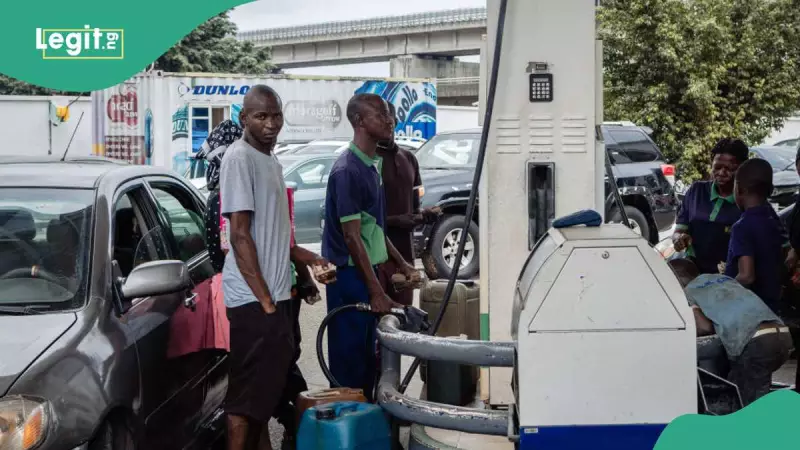
Dangote Refinery Ignites Fresh Fuel Price Competition
A dramatic price war has erupted in Nigeria's downstream petroleum sector as Dangote Refinery and private depot operators engage in aggressive pricing strategies. The conflict began when the massive refinery announced significant petrol price reductions over the weekend, triggering immediate responses from competing fuel depots across the country.
Price Cuts That Shook the Market
Dangote Refinery made the first move by reducing its gantry price from ₦877 to ₦828 per litre, representing a substantial 5.6% decrease. This adjustment, which took effect on Friday, marks the refinery's second major price review within just three months. Industry data from Petroleumprice.ng confirms the new pricing structure reflects Dangote's strategic approach to stabilizing supply while responding to evolving market conditions.
The refinery's bold pricing decision immediately sent shockwaves through the sector. Major depot operators including Aiteo, Bovas, and Eterna quickly countered with their own price reductions. Aiteo dropped to ₦850 per litre, Bovas to ₦848, and Eterna to ₦870. Other significant players like AIPEC, Ardova, Integrated, and NIPCO followed suit, adjusting their rates to between ₦868 and ₦870 per litre.
Consumers Still Await Pump Price Relief
Despite these wholesale price reductions, Nigerian motorists have yet to see any direct benefits. Retail pump prices at major filling stations remain stubbornly fixed at ₦920 per litre. Market surveys covering Dangote's retail partners such as MRS, Ardova, TotalEnergies, Heyden, Techno Oil, and Sunbeth confirm this uniform pricing.
Industry operators explain that the market remains too volatile for retailers to risk selling below the current average. According to statements from Daily Sun, depot marketers revealed that Dangote's aggressive pricing has already pushed some operators into loss-making territory. "Anyone selling below ₦920 is selling at a loss," one marketer confessed. "The refinery's ₦49 difference per litre is already squeezing margins dramatically."
Government Tariff Threatens Market Stability
The price war unfolds against growing concerns about the Federal Government's proposed 15% import tariff on petrol. Energy experts are urging caution, warning that this move could destabilize Nigeria's still-fragile deregulated fuel market.
Tanya Stepanova, Research Director at S&P Global Commodities Insights, emphasized during a MEMAN webinar that Nigeria continues to rely heavily on imports to supplement local production. She revealed that some imports from Togo might not be fully captured in official trade data, suggesting the country's actual import volumes are underreported.
Similarly, MEMAN's Executive Secretary, Clement Isong, expressed concerns that the tariff could disproportionately raise petrol prices for low-income households and small businesses. He called for transparent pricing data and gradual, evidence-based policy implementation to avoid market disruption. Isong further warned that new tariffs could distort competition and potentially force smaller importers out of business.
Cooking Gas Prices Move in Opposite Direction
While petrol prices are falling, Nigerians face contrasting news regarding cooking gas. Dangote Refinery has increased its depot price for Liquefied Petroleum Gas (LPG) from ₦840 to ₦930 per kilogram, representing an nearly 11% increase in less than a week. This development has sparked immediate reactions from dealers and retailers nationwide, who are adjusting their prices to reflect the new market reality.
The bottom line remains clear: Nigeria's fuel market stands at a critical crossroads. While Dangote Refinery's price cuts signal progress toward local market control, the absence of retail relief and the looming import tariff threaten to undo recent gains. For consumers still paying ₦920 at the pump, the battle for market dominance between Africa's richest man and established depot operators remains a distant benefit, at least for now.




