
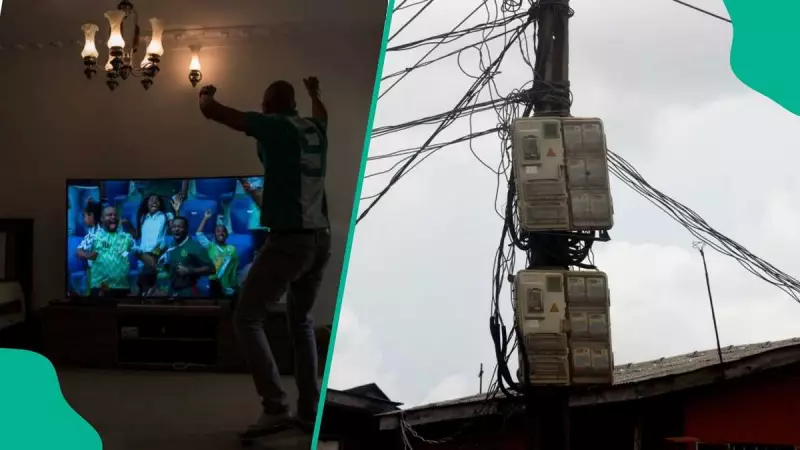
The Chief Executive Officer of Eko Electricity Distribution Company (EKEDC), Rekhiat Momoh, has identified widespread electricity theft by affluent residents and major hotels as a primary cause of the financial and operational crises plaguing Nigeria's power sector.
Momoh raised the alarm during a recent Power roundtable hosted by PwC in Lagos. She stated that energy theft is notably more common in high-income neighbourhoods and often involves influential individuals and large commercial establishments like hotels.
The Scale of Theft Among the Affluent
According to Momoh, electricity theft by wealthy consumers inflicts far greater damage on the national grid compared to illegal connections in low-income areas. She disclosed that EKEDC has uncovered cases of well-known hotels, including four-star facilities, illegally bypassing their meters.
This criminal practice has led to significant financial losses on the distribution network. The company is currently pursuing legal action against one such hotel, though its name was not revealed. Momoh emphasised that these actions by a few place a heavier burden on the entire power system and penalise other law-abiding customers.
Financial and Infrastructural Challenges Mounting
Momoh provided context on the dire state of the sector. EKEDC currently serves approximately 789,000 customers, but faces immense pressure. She explained that distribution companies are struggling with 'paper profits' that do not convince banks to offer loans, as lenders focus on actual cash flow.
The challenges are multifaceted: trillions of naira in legacy debts, poor revenue collection, unpaid bills by government MDAs, and uncollectable customer debts continue to cripple DisCos. Furthermore, ageing and dilapidated infrastructure within EKEDC's network exacerbate technical losses.
On power generation, she highlighted a critical gap: while Nigeria's installed capacity is around 13,000 megawatts, available generation fluctuates between only 4,000 and 5,000 megawatts. This shortage is compounded by vandalism, which she noted even occurs in upscale areas like Ikoyi, affecting gas supply and grid stability.
Smart Metering as the Critical Solution
Momoh pinpointed decades of reliance on manual metering as a key enabler of fraud and inefficiency. The lack of real-time monitoring has made it difficult to promptly detect faults and energy theft.
She revealed that EKEDC is the only distribution company currently using a Supervisory Control and Data Acquisition (SCADA) system, though only 15 of its 54 substations are connected, and the system requires upgrades. To reduce downtime, the company has acquired five fault locators, each costing about N490 million.
Despite these hurdles, Momoh asserted that smart metering remains the cornerstone solution to tackling electricity theft, improving operational efficiency, and plugging massive revenue leakages. The company's strategy involves immediate focus on commercial efficiency, medium-term plans for technology and customer experience upgrades, and a long-term goal of overall market effectiveness.
She concluded by describing electricity as a critical driver of economic growth, stressing that Nigeria's persistent power problems continue to severely limit the country's development potential.




