
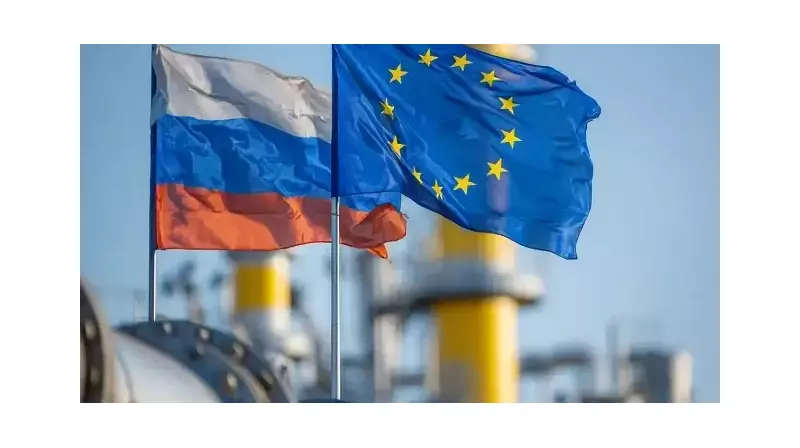
In a decisive move to break its energy dependence on Moscow, the European Union has finalised a political agreement to prohibit all imports of Russian gas. The ban is set to be fully implemented by the autumn of 2027, marking a pivotal moment in the bloc's strategy following Russia's invasion of Ukraine.
The Agreement and Its Key Timelines
EU lawmakers and member states reached this provisional political agreement early on Wednesday, December 3. The deal represents a compromise between the European Parliament, which wanted a faster cutoff, and national governments.
The European Council stated the regulation aims "to end dependency on Russian energy following Russia’s weaponisation of gas supplies." The final deadlines are now clear.
Long-term contracts for Russian pipeline gas will be banned from November 1, 2027, at the very latest. For liquefied natural gas (LNG) supplied under long-term agreements, the prohibition starts even earlier, on January 1, 2027.
Phasing Out Short-Term Supplies
The EU is moving quicker to stop short-term Russian gas contracts. The ban on short-term LNG imports will take effect from April 25, 2026. For short-term pipeline gas, the cutoff date is June 17, 2026.
This staged approach allows the EU's energy market and member states time to secure alternative supplies and adjust their infrastructure, but sends an unambiguous signal about the future.
A Decisive Shift in European Energy Strategy
This agreement is the culmination of nearly three years of effort by the EU to reduce its reliance on Russian energy. The war in Ukraine forced a rapid re-evaluation of energy security, with this ban being one of the most significant steps taken so far.
While the timeline still requires formal approval from the European Parliament and all EU member states, officials highlight that the political consensus itself marks a historic turning point. The bloc is fundamentally reshaping where it gets its power, aiming for a future untethered from Russian supplies.
The move is expected to accelerate investments in renewable energy, LNG terminals, and pipelines from other global suppliers. For Nigeria, a major LNG exporter, this long-term shift in European energy sourcing could present both challenges and opportunities in the global gas market.




