
In a decisive move to sever its energy ties with Moscow, the European Union has finalised a landmark agreement to prohibit all imports of Russian gas by the autumn of 2027. This deal, struck after overnight negotiations between EU lawmakers and member states, aims to choke off a crucial revenue stream financing Russia's war in Ukraine.
The Road to Energy Independence: Key Dates and Terms
The agreement sets a clear, phased timeline to end Europe's long-standing dependency. All long-term contracts for pipeline gas will be banned from September 30, 2027, provided the bloc's storage levels are sufficient, and no later than November 1 of that year. For liquefied natural gas (LNG), the prohibition on long-term contracts kicks in even earlier, starting January 1, 2027.
Shorter-term contracts will be phased out ahead of those dates. The ban on short-term LNG contracts begins April 25, 2026, while for pipeline gas, the cutoff is June 17, 2026. To protect European companies, the deal allows them to invoke "force majeure" clauses, using the EU import ban as a legal justification to break existing contracts with Russian suppliers.
Closing Loopholes and Addressing Holdouts
The overnight accord also tasks the European Commission with drafting a plan to end Russian oil imports to Hungary and Slovakia by the end of 2027. These two landlocked nations had previously received exemptions from the EU's 2022 ban on Russian oil. The move is seen as a direct challenge to Hungarian Prime Minister Viktor Orban, who has maintained close ties with the Kremlin.
EU Energy Commissioner Dan Jorgensen celebrated the deal on social media, stating, "We've made it: Europe is turning off the tap on Russian gas, forever." He emphasised that the bloc has chosen "energy security and independence" and an end to market manipulation by Russian President Vladimir Putin.
A Shifting Energy Landscape: From Pipes to Ports
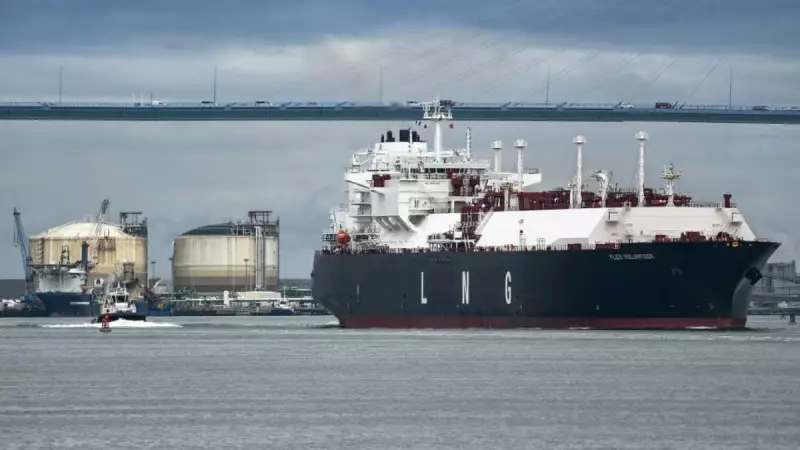
Since Russia's full-scale invasion of Ukraine in 2022, the EU has made significant but incomplete progress in weaning itself off Russian energy. The share of Russian gas in EU imports has plummeted from 45% in 2021 to 19% in 2024. However, while pipeline deliveries have been drastically cut, the bloc has partially compensated by increasing purchases of Russian LNG shipped by sea.
Despite sanctions, Russia remains the EU's second-largest supplier of LNG after the United States, accounting for about 20% of imports in 2024—roughly 20 billion cubic meters. Imports of Russian LNG were still projected to be worth around 15 billion euros in 2025. The new deal is designed to finally plug this lucrative loophole.
The European Council stated the move aims "to end dependency on Russian energy following Russia's weaponisation of gas supplies." The agreed timeline now awaits final formal approval from the European Parliament and member states, marking a definitive step in Europe's protracted energy divorce from Russia.




