
Environmental and energy specialists have issued a compelling call to the federal government, urging the strategic use of alternative energy sources to fuel the growth of Nigeria's blue economy. This push aims to enhance productivity and ensure the sustainable management of the nation's vast aquatic resources.
Conference Highlights Path to Gas-Powered Future
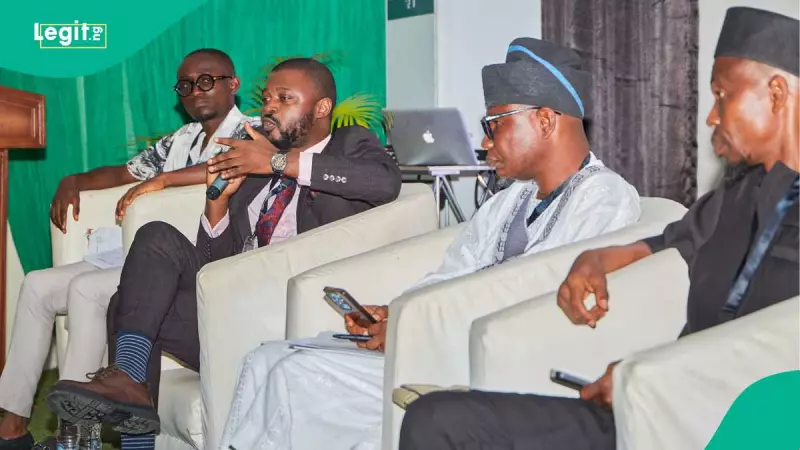
The urgent appeal was made by industry stakeholders during the 2025 national conference and Annual General Meeting (AGM) of the Nigerian Institution of Environmental Engineers (NIEE). The event, held in Ibadan, Oyo State, gathered professionals to deliberate on the theme 'Blue Economy, Green Practices: Engineering for Environmental Integrity.'
Discussions centered on how Nigeria can utilize its enormous 209 trillion cubic feet (TCF) of proven gas reserves to transition into a gas-powered economy by 2030. Experts identified this shift as a critical backbone for developing a sustainable blue economy, which encompasses seas, rivers, wetlands, and coastal zones.
Collaboration and Carbon Reduction Key to Success
While commending government efforts, health, safety, and environment expert Stephen Adeshola stressed the need for deeper collaboration. He highlighted the recent launch of the Nigerian Maritime Carbon Emission System by NIMASA at COP30 in Brazil as a significant step forward in measuring the sector's carbon footprint.
Adeshola noted that the government is making strides to meet International Maritime Organisation (IMO) guidelines but emphasized that conversations on leveraging alternative energy must intensify. "Policymakers and experts are working the talk, but we need more collaboration," he stated.
Tackling Pollution and Unlocking Economic Value
A major concern raised at the conference was the pollution of Nigeria's waterways. Kolawole Adisa, Head of the Department of Civil Engineering at the University of Lagos (UNILAG), lamented that only 20% of plastic waste is recycled in the country.
He revealed ongoing collaborations with the government to develop technical documents that would transform polluting plastic waste into products with significant economic value. "We are liaising with the government to unlock the potential of what is currently considered waste," Adisa said.
Reflecting on institutional progress, the National Chairman of NIEE, Engr. Nureni Ogunyemi, outlined key achievements under his leadership. These include acquiring an official vehicle for the institution and establishing a Resource Technology Center that now serves as its national secretariat.
The conference also saw the induction of deserving members into the institution's fellowship rank, recognizing their contributions to environmental engineering. The insights from the 2025 NIEE conference are set to propel national discourse on greener practices, pollution control, and fully harnessing Nigeria's blue economic potential.




