
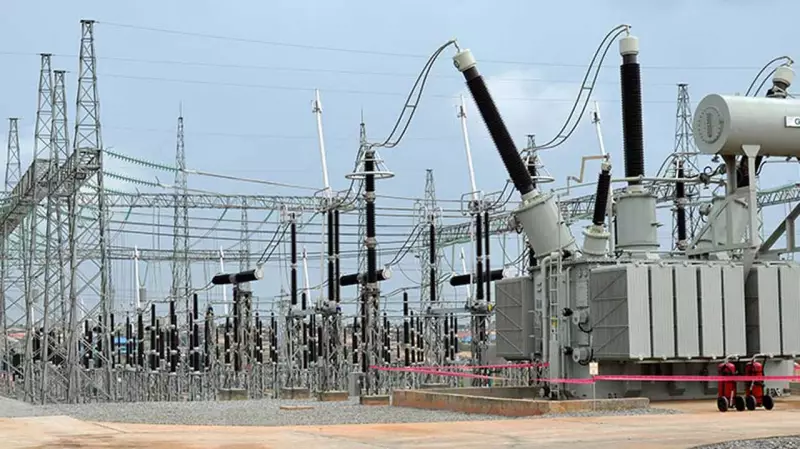
Electricity supply across Nigeria has taken a significant hit, with citizens experiencing worsening blackouts due to a dual crisis of gas shortages and crippling financial debts in the power sector.
Gas Constraints and Falling Demand Disrupt National Grid
The Nigerian National Grid, in a recent update, confirmed that the nation is grappling with a severe drop in power generation and distribution. The grid operator cited sustained gas supply constraints affecting Generation Companies (GenCos) and a prolonged drop in the load uptake by Distribution Companies (DisCos) as the core reasons for the instability.
This situation underscores a persistent paradox: despite being a gas-rich nation with vast reserves, Nigeria's electricity sector remains acutely vulnerable to disruptions in gas feedstock. The majority of the country's power plants are gas-fired, making consistent fuel supply absolutely critical for grid stability.
The N6 Trillion Debt Albatross
Beyond the immediate gas issues, a deeper financial crisis is strangling the sector's ability to function. Dr. Joy Ogaji, the Executive Secretary of the Association of Power Generation Companies (APGC), laid bare the core problem in an interview with The Guardian. She emphasized that generation companies are being crippled by a massive outstanding debt of nearly N6 trillion.
"Is it possible to generate at an optimum when you're owing almost N6 trillion? The first challenge is money. The second challenge is money. The third money, Fourth, money. Get the GenCos money and you'll have more power," Dr. Ogaji stated bluntly.
Her remarks highlight the severe liquidity pressures facing GenCos, which threaten their operational viability despite various government intervention plans.
Government Interventions and Industry Skepticism
In response to the mounting debt crisis, the Federal Government has initiated several measures:
- In late November and early December 2025, the government launched a N590 billion bond issuance as the first part of a broader N4 trillion Presidential Power Sector Debt Reduction Plan.
- This plan, approved by the Federal Executive Council (FEC), aims to settle verified debts owed to generation firms and gas suppliers.
- A dedicated committee was also established to clear outstanding debts and design sustainable payment mechanisms to prevent future build-ups.
However, these efforts have been met with caution from industry players. Reports indicate that some government proposals involved GenCos accepting significant debt write-downs as settlement, a condition that was rejected by the sector. Industry representatives continue to push for clearer, more definitive, and full payment frameworks.
The impact of the crisis is being felt nationwide. For instance, the Enugu Electricity Distribution Company (EEDC) issued a notice signed by its Group Head of Corporate Communications, Emeka Ezeh, informing customers in the South-East of reduced supply due to these system-wide challenges beyond the DisCo's control.
The ongoing power crisis, fueled by both infrastructural and financial failures, continues to hinder economic growth and diminish the quality of life for millions of Nigerians, raising urgent questions about the sustainability of the current electricity value chain model.




