
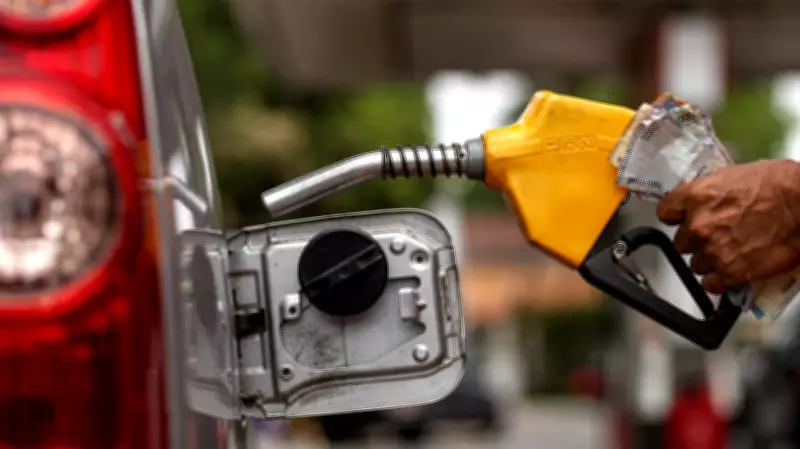
House Committee Issues Urgent Warning Over Looming Fuel Crisis
The House of Representatives Committee on Petroleum Resources (Downstream) has raised an alarm over an imminent increase in fuel prices, cautioning that Nigeria could soon face a return of fuel scarcity and long queues at petrol stations if immediate measures are not implemented. This warning comes amid escalating tensions in the Middle East, which have already triggered a sharp rise in global oil prices.
Supply Chain Disruptions Threaten Economic Stability
Chairman of the committee, Ikeagwuonu Ugochinyere, addressed journalists at the National Assembly complex in Abuja, highlighting that disruptions in crude oil supply to domestic refineries pose a significant threat to Nigeria's economic stability. He emphasized that unless these issues are resolved within the next 48 hours, Nigerians may experience worsening hardship due to rising petrol prices and supply shortages.
According to Ugochinyere, findings from the committee's oversight activities indicate a strong likelihood of an increase in the pump price of Premium Motor Spirit (PMS). This potential hike is not driven by government policy but by inefficiencies in the supply chain, particularly affecting domestic refineries.
Inadequate Crude Supply to Dangote Refinery
A key concern identified by the committee is the inadequate supply of crude oil to the Dangote Refinery. Ugochinyere disclosed that while the refinery is entitled to approximately 21 cargoes and requires at least 15 to function optimally, it is currently receiving only five cargoes. This shortfall is far below operational needs and hampers the refinery's ability to contribute to stabilizing fuel prices.
Additionally, the committee expressed worry over the quality of crude being supplied, describing it as substandard for a refinery of such scale and importance. It stressed that domestic refineries, especially Dangote, must be prioritized for high-grade crude sourced from the Niger Delta to ensure efficient operations.
Exploitative Practices by International Intermediaries
Another major issue raised is the increasing cost burden on local refineries due to the involvement of international trading intermediaries. The lawmaker revealed that domestic refiners are paying a premium of over $18 per barrel to foreign trading firms, a significant increase from the previous $2 to $4.
"Crude oil produced in Nigeria is being sold to our refineries through middlemen based in London and Dubai, who add no value but collect huge fees," Ugochinyere explained. He noted that for every barrel priced at $100, refineries end up paying $118, with the additional $18 going to intermediaries. This exploitative practice ultimately transfers added costs to consumers through higher fuel prices.
Global Context and Market Analysis
According to a market analysis of Global Petrol Prices data, Nigeria recorded a 39.5 per cent increase in pump prices between February 23 and March 16, the highest worldwide during this period. Other countries also experienced significant rises:
- Laos: 32.9 per cent increase
- Australia and Vietnam: 31.8 per cent increase each
- United States of America: 23.6 per cent increase
- Spain: 18.7 per cent increase
- Canada: 17.2 per cent increase
- Germany: 14.9 per cent increase
- Egypt: 14.3 per cent increase
- France: 12.3 per cent increase
- China: 10 per cent increase
- Ethiopia: 7.9 per cent increase
This global trend is largely attributed to the ongoing war in the Middle East, which has caused the largest supply disruption in the history of the global oil market. Oil prices have climbed to a four-year high, driving up petrol prices in Nigeria and other nations.
Call to Action and Proposed Solutions
To address the situation, the committee has called on the Presidential Technical Committee on the Crude-for-Naira initiative to reconvene within 48 hours to resolve supply bottlenecks. It also urged the immediate restoration of adequate crude supply to domestic refineries, strict enforcement of the Domestic Crude Oil Supply Obligation under the Petroleum Industry Act (PIA) 2021, and improvements in crude quality standards.
Despite expectations that local refining and domestic petrol production would help stabilize prices, the recent increase suggests otherwise. In some areas, petrol is selling for as much as N1,200 per litre, leading to a doubling of transport costs on major routes across the country. The committee's warning underscores the urgent need for intervention to prevent further economic strain on Nigerians.




