
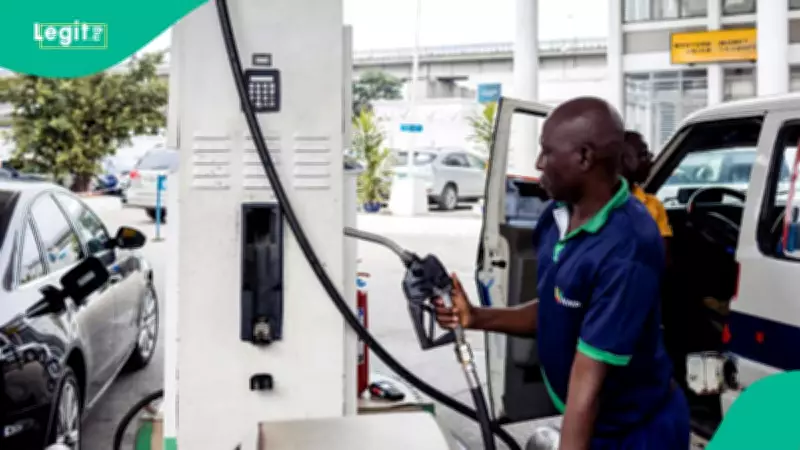
Imported Petrol Undercuts Dangote Refinery by N77 Per Litre, Marketers Data Shows
In a surprising market development, imported premium motor spirit (PMS) has become significantly cheaper than locally refined petrol from the Dangote Refinery, according to official pricing data released by Nigeria's Major Energies Marketers Association of Nigeria (MEMAN). The latest figures reveal a substantial price gap that could reshape competition in the country's downstream petroleum sector.
Price Disparity Highlights Market Shift
MEMAN's data published on Friday, February 7, 2026, indicates that the average landing cost of imported petrol currently stands at N721.80 per litre. This represents a remarkable N77.2 per litre advantage over the N799 per litre gantry price offered by the Dangote Refinery for locally produced petrol. The development marks a significant reversal from previous expectations that domestic refining would provide cheaper fuel alternatives for Nigerian consumers.
Dangote Refinery Cites Logistics Challenges
The Dangote Refinery has responded to the pricing disparity by attributing higher local prices to coastal delivery costs that substantially inflate logistics expenses. In a statement issued last week, the refinery argued that marketers could save at least N77.2 per litre by purchasing directly from its gantry rather than relying on coastal deliveries, particularly within Lagos.
"Our assessment shows that coastal logistics can add around N75 per litre to the cost of petrol, which, if passed on to consumers, would push the pump price of PMS close to N1,000 per litre," the refinery stated. This explanation highlights the complex logistics challenges facing Nigeria's petroleum distribution network.
Retail Prices Remain Elevated Nationwide
Despite the lower landing cost of imported petrol, retail prices across Nigeria continue to remain high. Checks conducted in Abuja on Sunday, February 8, 2026, revealed that petrol prices ranged between N839 and N905 per litre across major filling stations. Major outlets operated by companies including:
- MRS Oil Nigeria
- Nigerian National Petroleum Company Limited (NNPCL)
- Ranoil and AA Rano
- AP and Mobil stations
- Emedab and Empire Energy
All maintained prices well above both the Dangote gantry price and the import landing cost, indicating significant supply chain inefficiencies.
Market Dynamics and Supply Chain Inefficiencies
Industry analysts note that the current price disparity highlights ongoing challenges within Nigeria's petroleum supply chain. The gap between landing costs, gantry prices, and final pump prices reveals persistent inefficiencies in several areas:
- Transportation logistics across Nigeria's vast geography
- Storage and distribution infrastructure limitations
- Regulatory uncertainties affecting pricing stability
- Distribution margins that inflate final consumer prices
While the Dangote Refinery was expected to reduce Nigeria's dependence on fuel imports and stabilize domestic prices, current market realities demonstrate that logistics and operational dynamics continue to be critical factors determining what consumers ultimately pay at filling stations.
Competitive Responses from Independent Marketers
In response to the pricing dynamics, independent marketers and private depot operators have begun offering petrol below the Dangote Refinery's benchmark price to maintain competitiveness. This strategic move follows Dangote's recent decision to increase its gantry price to N799 per litre and retail price to N839 per litre, which pushed pump rates upward at major retail outlets nationwide.
The competition between imported fuel and locally refined petrol is intensifying, with industry stakeholders and consumers closely monitoring whether these price advantages will translate into meaningful relief at filling stations across Nigeria. As market forces continue to evolve, the petroleum sector faces critical questions about pricing efficiency, logistics optimization, and the long-term benefits of domestic refining capacity.




