
Lagos Residents Stage Protest Over Persistent Power Outages
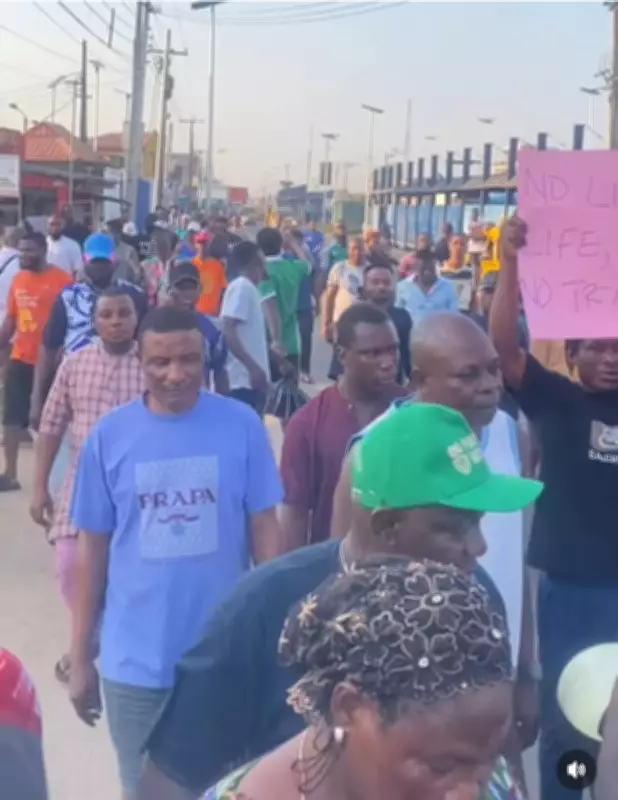
On March 12, residents of Lagos State took to the streets in a demonstration against the ongoing epileptic power supply that has plagued the area. The protest, held at Fadeyi in Lagos, saw participants marching, ringing bells, and singing songs to voice their frustrations with the unreliable electricity services.
Voices from the Protest: Demands for Basic Amenities
During the protest, chants echoed through the streets, with one group singing, "All we are saying, give us freedom," while another protester emphasized, "We're not asking for too much, make them give us light." The crowd repeatedly shouted, "Give us light, give us light," highlighting their primary demand for consistent power.
Protesters carried placards with clear messages, including:
- "No more epileptic power supply"
- "Give us regular light. Say no to touch light of Ikeja Electric"
- "You destroying, k!lling so many businesses. Please, give us light"
- "No light, no life, no nation, no try & error"
- "No more to estimated billing"
These signs underscored the severe impact of power outages on local businesses and daily life, with many residents expressing anger over estimated billing practices by electricity providers like Ikeja Electric.
Broader Context: Social Media Outcry and Economic Strain
The protest comes amid widespread complaints on social media, where Nigerians have been lamenting the lack of power supply. This issue has been exacerbated by rising fuel prices, making it more expensive to run generators as an alternative source of electricity. The combination of unreliable grid power and costly fuel has placed significant financial and operational burdens on households and enterprises across Lagos.
As the demonstration unfolded, it drew attention to the urgent need for improvements in the power sector, with residents calling for immediate action to address the frequent blackouts and unfair billing systems. The protest at Fadeyi serves as a stark reminder of the growing discontent among citizens over basic infrastructure failures.




