
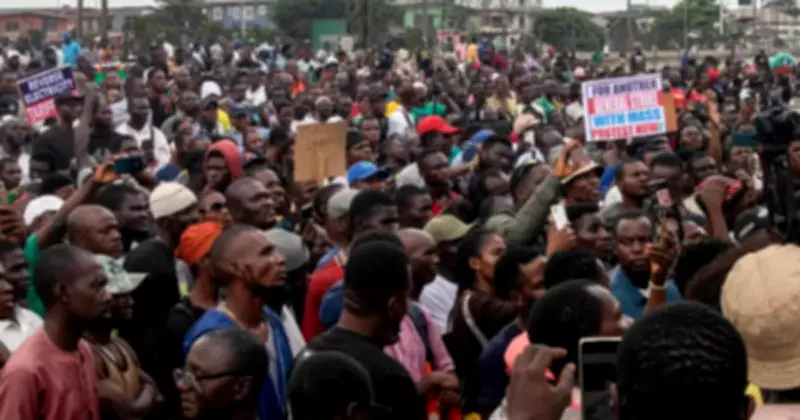
Lagos Youths Protest Persistent Blackouts as Tinubu's Power Promise Remains Unfulfilled
On March 12, 2026, youths in Lagos took to the streets in a significant protest against the worsening electricity crisis that has plagued the state for months. The demonstration, which began in the early hours, saw participants chanting "we are not asking for too much, give us light" as they voiced their frustration over persistent power outages that have severely impacted daily life and business operations.
The Immediate Trigger: Gas Supply Constraints
Ikeja Electric, in a public notice issued on March 11, acknowledged the electricity disruptions and attributed them directly to gas supply constraints affecting power generation on the national grid. The company stated, "The current situation is due to gas supply constraints affecting the national grid. This has resulted in a significant energy shortfall, necessitating increased load shedding across all our feeders." They added that they were maintaining communication with stakeholders to help restore normal generation levels.
This explanation points to a deeper structural problem within Nigeria's electricity system. The country relies heavily on gas-fired thermal plants, which account for more than 70 percent of electricity generation. These plants are connected to the Transmission Company of Nigeria-managed national grid. Despite Nigeria's installed generation capacity claiming to exceed 13,000 megawatts, available capacity frequently fluctuates between 3,000 and 5,000 megawatts due to multiple factors including gas shortages, transmission constraints, and plant maintenance issues.
Tinubu's Campaign Promise Haunts Administration
As protests unfolded, residents quickly resurrected a campaign promise made by President Bola Tinubu before his election. Tinubu had declared, "Whichever way, by all means necessary, you must have electricity, and you will not pay for estimated billing anymore. A promise made will be a promise kept. If I don't keep the promise and I come back for second term, don't vote for me."
This promise has become a recurring reference point for Nigerians navigating daily life without reliable power. Wednesday's protest made clear that patience with the administration on this critical issue is running thin, with residents and business owners expressing growing frustration over the unfulfilled commitment.
Impact on Residents and Businesses
The electricity crisis has had severe consequences across Lagos:
- For most residents, the situation has significantly worsened living conditions, with frequent blackouts disrupting daily routines and essential services
- Business owners face increased operating costs due to reliance on expensive alternative power sources
- Daily commercial activities have been repeatedly disrupted, affecting productivity and economic growth
- The erratic power supply has created uncertainty for both residential and commercial electricity consumers
Government Response and New Initiatives
On March 6, President Tinubu inaugurated an 11-member committee to drive the establishment of the Grid Asset Management Company Limited, known as GAMCO. This new initiative aims to address Nigeria's persistent power sector challenges, with the Federal Executive Council having approved the company's establishment as part of efforts to tackle stranded power generation, transmission bottlenecks, and grid management inefficiencies.
The committee, chaired by the President's Chief of Staff, includes:
- Attorney General Lateef Fagbemi
- Minister of Power
- Minister of Works
- Minister of Finance
- Minister of Communications, Science and Technology
- Minister of Aviation
- Minister of State for Petroleum
- Other key officials
The committee is tasked with reviewing existing laws and regulatory frameworks governing the electricity value chain and identifying conflicts or gaps that may hinder GAMCO's implementation. However, whether this committee's work will translate into tangible relief for Lagos residents and the country at large remains to be seen, as immediate solutions to the gas supply constraints continue to elude the administration.
The protest in Lagos represents a growing discontent with the government's handling of the electricity crisis, highlighting the gap between campaign promises and actual delivery of essential services. As the situation continues to affect millions of Nigerians, pressure mounts on the Tinubu administration to find sustainable solutions to the country's persistent power challenges.




