
In a major move to tackle Nigeria's persistent power crisis, the Federal Government has approved a substantial sum of N185 billion to settle longstanding debts owed to natural gas suppliers. This intervention is aimed at revitalizing the energy sector and improving electricity supply across the nation.
A Decisive Step to Clear Legacy Liabilities
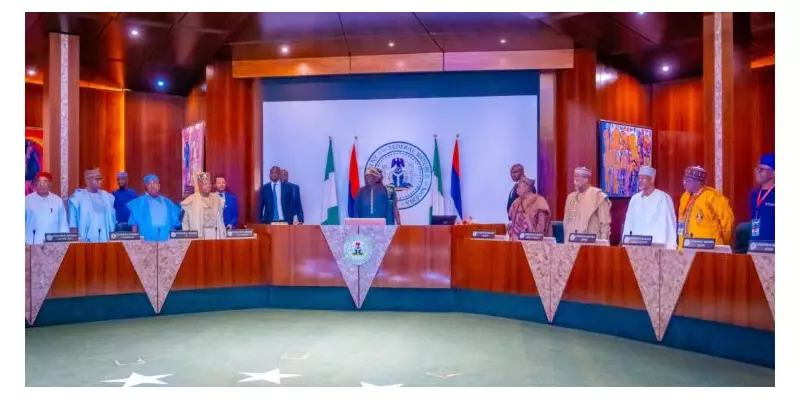
The approval, which was endorsed by the National Economic Council chaired by Vice President Kashim Shettima, follows a direct directive from President Bola Tinubu. According to a statement from Louis Ibah, spokesperson for the Minister of State for Petroleum Resources (Gas), the arrears have been a significant burden. These "legacy debts" for past gas supplies have crippled cash flow for producers, discouraged new investments in exploration, and severely reduced the gas available for power generation, exacerbating the country's electricity shortages.
The Minister of State for Petroleum Resources (Gas), Ekperikpe Ekpo, hailed the approval as a decisive step towards sustainable power generation. He stated that the move aligns with the Decade of Gas initiative, which targets unlocking over 12 billion cubic feet per day of gas supply by 2030. Ekpo emphasized that clearing these arrears is crucial for rebuilding trust with producers, many of whom have stalled new projects due to payment uncertainties.
Expected Impact on the Gas and Power Sector
The payment will be executed through a royalty offset arrangement. This financial injection is expected to have several immediate and long-term effects:
- Restore Investor Confidence: It sends a strong signal to both domestic and international gas suppliers that the government is committed to honoring its obligations.
- Boost Gas Production: Improved financial stability for producers is anticipated to accelerate upstream activities, exploration, and ultimately increase overall gas output.
- Enhance Power Generation: A more reliable and increased gas supply will directly translate to improved electricity generation, helping to ease the shortages affecting homes and businesses.
Ed Ubong, Director of the Decade of Gas Secretariat, noted that this decision addresses a key structural weakness in the gas value chain. He believes settling the debts can unlock stalled projects, revive investor interest, and accelerate Nigeria's transition to a gas-driven economy.
Foundations for Economic Growth
Minister Ekpo further connected reliable energy to broader economic goals. He stressed that consistent power is essential for driving industrialization, creating jobs, and enhancing Nigeria's economic competitiveness. By tackling this fundamental bottleneck, the government aims to create a more stable foundation for national development.
This N185 billion debt settlement represents one of the most significant interventions in Nigeria's energy sector in recent years, marking a pivotal attempt to break the cycle of underinvestment and unreliable supply that has long plagued the power industry.




