
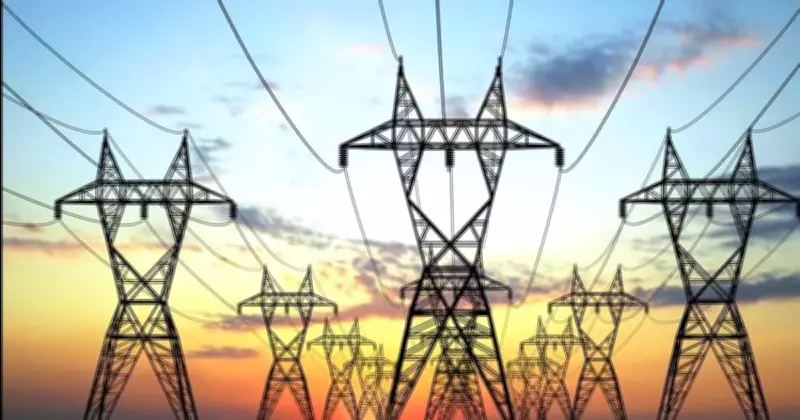
Nigerians Brace for Prolonged Electricity Crisis as Gas Supply Halts Over Massive Debt
Nigerians have been issued a stark warning to prepare for an extended period of electricity shortages, with no immediate resolution in sight for the systemic issues plaguing the power sector. According to recent reports, the current poor power supply situation could deteriorate further as gas suppliers have suspended services to thermal power plants due to mounting unpaid debts.
Gas Suppliers Withdraw Services Over N3.3 Trillion Debt
The National Grid's official social media page confirmed that gas suppliers have halted services to power generation companies, citing escalating debts that have now reached a staggering 3.3 trillion naira. Dr. Joy Ogaji, Chief Executive Officer of the Association of Power Generation Companies, revealed this crippling financial burden during a recent briefing, explaining that the debt has directly contributed to the current supply shortages nationwide.
"The debt owed by power-generating companies to gas suppliers currently stands at 3.3 billion naira," stated Dr. Ogaji. "This financial strain has resulted in significant drops in power generation and now threatens to collapse operations entirely if not addressed urgently."
Compounding Factors Worsen National Power Situation
Since the beginning of the year, Nigeria's electricity supply has deteriorated dramatically due to multiple factors. Reduced water levels from inadequate rainfall have severely limited the operating capacity of hydropower plants, while thermal plants struggle to generate sufficient electricity due to the ongoing gas shortage crisis.
The situation has created a perfect storm of energy challenges, with thermal plants unable to compensate for the reduced output from hydroelectric facilities, leaving millions of Nigerians facing extended blackouts and unreliable power supply.
Nationwide Protests Erupt Over Electricity Woes
The worsening power situation has sparked protests across multiple states as frustrated citizens demand immediate solutions. In Osogbo, Osun State capital, youths marched to the offices of Ibadan Electric Distribution Company seeking answers and improved service delivery.
Edo State Governor Monday Okpebolo led a demonstration to the Benin Electric Distribution Company headquarters, protesting the persistent poor power supply affecting residents and businesses in his state. Similarly, on March 12, 2026, youth groups in Lagos took to the streets to voice their frustration with the deteriorating electricity situation.
Government Response and Presidential Promises Under Scrutiny
Power Minister Adebayo Adelabu has appealed for public patience, assuring Nigerians that they will soon witness the implementation of President Bola Tinubu's comprehensive plans for the power sector. "Nigerians will soon begin to see the laudable plans President Tinubu has for the power sector," Adelabu stated during a recent public engagement.
However, patience appears to be wearing thin among citizens who face the dual burden of exorbitant fuel prices exceeding 1,200 naira per liter alongside unreliable electricity supply. Social media has seen renewed circulation of 2023 campaign clips featuring President Tinubu's promise to provide 24-hour power supply, with the President stating Nigerians should not re-elect him if he failed to deliver on this commitment.
Former critic turned supporter Reno Omokri offered a different perspective during a Channels TV interview, suggesting the President's 24-hour power supply promise was made without full understanding of the sector's complexities.
New Government Initiative Launched Amid Crisis
In response to the escalating crisis, President Tinubu recently inaugurated an 11-member committee tasked with establishing the Grid Asset Management Company Limited (GAMCO). This new initiative aims to address Nigeria's persistent power sector challenges through improved management of stranded power generation, transmission bottlenecks, and grid inefficiencies.
The committee, chaired by Chief of Staff Femi Gbajabiamila, includes Attorney General Lateef Fagbemi, the Ministers of Power, Works, Finance, Communications, Science and Technology, Aviation, and the Minister of State for Petroleum. Their mandate involves reviewing existing electricity sector laws and regulatory frameworks to identify conflicts or gaps that might hinder GAMCO's implementation.
This represents President Tinubu's first major attempt to tackle power sector issues directly, coming three years into his four-year presidential term. The initiative's timing raises questions about its potential impact given the immediate crisis facing the nation's electricity infrastructure.
As Nigerians endure prolonged darkness and economic strain from alternative power sources, the government faces mounting pressure to deliver tangible solutions to a crisis that affects every aspect of daily life and economic activity across the country.




