
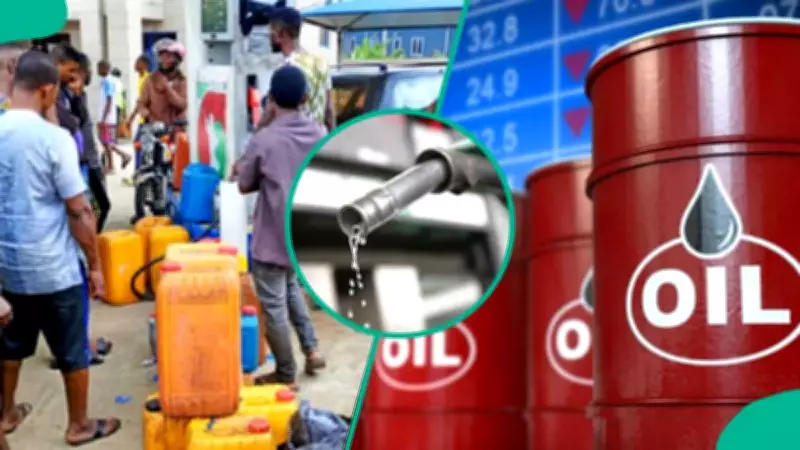
Nigeria's Petrol Prices Defy Global Oil Drop, Remain Above N1,300/Litre
Despite a significant decline in global crude oil prices, petrol costs in Nigeria continue to remain stubbornly high, with consumers paying over N1,300 per litre at filling stations across major cities. This price stagnation persists even as international crude oil prices have dropped from $130 to approximately $100 per barrel, raising serious questions about market responsiveness and consumer protection.
Global Oil Price Decline Fails to Impact Local Petrol Rates
Investigations reveal that petrol stations in key Nigerian cities like Lagos and Abuja have maintained elevated prices despite favorable global market conditions. The drop in crude oil prices has been attributed to diplomatic negotiations between the United States and Iran, which have increased expectations for Iranian oil returning to Asian markets. However, this international development has not translated into relief for Nigerian consumers.
In Lagos, prominent stations including MRS continue to sell petrol at N1,333 per litre, while depot prices hover around N1,270 per litre at operators like Alkanes and Bovas. Similarly, in Abuja, stations such as NIPCO and AYM Shafa maintain prices as high as N1,371 per litre, showing no indication of price reductions despite the global crude oil price decline.
Transportation Costs Skyrocket as Consumers Bear the Brunt
The persistently high petrol pricing has created a cascading effect throughout the Nigerian economy, particularly impacting transportation costs. Transport operators have passed on increased fuel expenses to commuters, resulting in fare hikes of up to 50% in some routes.
For example, a journey from Ikorodu to Oshodi that previously cost N800 now requires N1,200. This additional financial burden comes at a time when many Nigerians are already struggling with rising inflation and stagnant salaries, creating significant economic pressure on households and businesses alike.
Regulatory Concerns and Market Defense Emerge
Industry stakeholders have expressed divergent views on the price stagnation. Olatide Jeremiah, CEO of Petroleumprice.ng, has called for stronger intervention from regulatory bodies including the Nigerian Midstream and Downstream Petroleum Regulatory Authority (NMDPRA) and the Federal Competition and Consumer Protection Commission (FCCPC).
"The NMDPRA and the FCCPC need to protect consumers from exploitation," Jeremiah emphasized. "Marketers are quick to increase prices but slow to reduce them, thereby making abnormal profits at the expense of Nigerians."
In contrast, Billy Gillis-Harry, president of the Petroleum Products Retail Outlets Owners Association of Nigeria (PETROAN), defended the current pricing structure, stating that "This is a deregulated market, and the forces of demand and supply should be allowed to guide operations."
Broader Economic Implications and Industry Warnings
The high fuel costs are influencing broader economic behavior, with reports indicating that rising oil prices have encouraged more people to work remotely to cope with escalating energy expenses. Business magnate Aliko Dangote has warned about the significant strain this places on small businesses and industries that rely heavily on generators for power.
Dangote has urged for peaceful resolutions to international conflicts that could further exacerbate financial hardships for citizens, particularly in African nations. Meanwhile, depot owners have remained largely silent on the pricing issue, leaving consumers and regulators to navigate the complexities of Nigeria's deregulated petroleum market without clear guidance from key industry players.
The situation highlights ongoing challenges in Nigeria's energy sector, where global market trends do not always translate to local price adjustments, creating economic pressures that affect transportation, business operations, and household budgets across the nation.




