
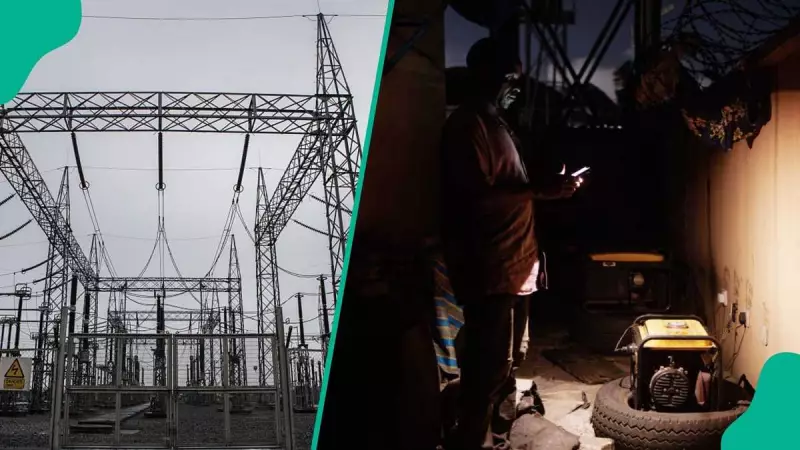
Nigeria's already fragile electricity supply has suffered a significant blow following a deliberate attack on critical energy infrastructure. The nation's power generation capacity has dropped sharply due to gas supply constraints caused by the vandalism of a major gas pipeline.
Grid Operator Confirms Supply Disruption
The Nigerian Independent System Operator (NISO) confirmed the crisis in a statement issued on Tuesday, December 17, 2025. The operator explained that the act of vandalism disrupted the flow of gas to multiple power generation facilities across the country. This led directly to reduced output from numerous gas-fired power stations, causing a notable decline in the total electricity available on the national grid.
NISO stated that it was forced to immediately implement established contingency plans to prevent a total system collapse and maintain stability. These emergency measures included:
- Increasing power dispatch from available hydroelectric plants.
- Continuously re-dispatching available generation to balance the network.
- Implementing voltage control interventions.
- Other technical actions to match supply with national demand.
The system operator emphasized it is closely monitoring grid conditions, including frequency and voltage levels, while collaborating with relevant stakeholders to mitigate the impact of the severe gas shortage.
Connection to NNPC Pipeline Incident
This development comes just days after the Nigerian National Petroleum Company (NNPC) Limited reported an explosion on its crucial Escravos–Lagos gas pipeline system. The incident occurred on December 12, 2025. The pipeline is operated by the NNPC Gas Infrastructure Company (NGIC), a subsidiary of the national oil company.
While not explicitly linking the two events in all statements, the timing and nature of the incidents strongly suggest the vandalism affecting power plants is related to the attack on this key NNPC infrastructure. The Escravos-Lagos pipeline is a vital artery for supplying gas to power stations in the western and northern parts of Nigeria.
Broader Context of Nigeria's Power Crisis
NISO noted that this event highlights the urgent need for stronger coordination to address gas supply disruptions, especially as the country approaches the festive season—a period typically marked by high electricity demand and increased sensitivity in grid operations.
The operator reassured the public of its commitment to proactive grid management but the incident underscores a persistent national problem. Nigeria continues to rank among the worst countries globally for electricity access. A report from May 2025 indicated that over 90 million of Nigeria's 230 million citizens live without any access to grid power, representing about 40% of the population.
Experts, including engineers from the Chartered Institute of Power Engineers of Nigeria (CIPEN), have repeatedly identified systemic issues plaguing the sector. These include political interference, the appointment of personnel based on loyalty rather than competence, and a lack of sustained investment. They have called for a state of emergency in the power sector to address these foundational challenges.
While NISO works to stabilize the grid, the latest act of vandalism serves as a stark reminder of the vulnerabilities in Nigeria's energy supply chain and the long road ahead to achieving a stable and reliable power supply for all.




