
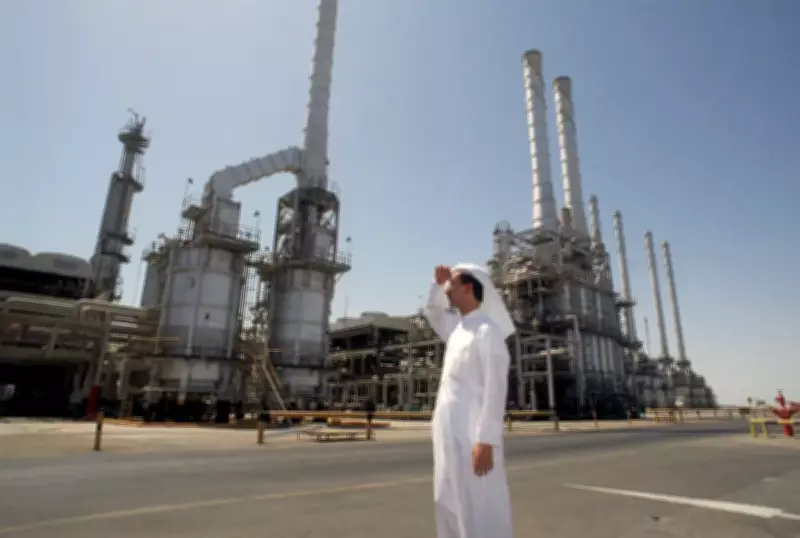
Saudi Arabia Halts Operations at Ras Tanura Refinery Following Drone Attack
The Kingdom of Saudi Arabia has temporarily suspended certain operations at its vast Ras Tanura refinery after a drone attack ignited a fire at the critical energy facility. The Saudi energy ministry officially confirmed the incident on Monday, March 2, stating that the precautionary shutdown was implemented without disrupting the supply of petroleum products to local markets.
Details of the Attack and Facility Significance
Located along Saudi Arabia's eastern Gulf coast, the Ras Tanura refinery is one of the largest in the Middle East, boasting a production capacity of 550,000 barrels per day. The complex also serves as one of the world's premier oil export terminals, making it a cornerstone of the kingdom's energy sector and global oil infrastructure.
According to statements from the Saudi Press Agency, an official ministry source clarified that "some operational units at the refinery were shut down as a precautionary measure, without any impact on the supply of petroleum products to local markets." Earlier reports from AFP indicated that the attack caused a fire at the refinery, which was subsequently extinguished. The Saudi defence ministry confirmed that two drones targeted the facility and were successfully intercepted.
Escalating Regional Tensions and Security Concerns
Security analysts have highlighted that this attempted strike underscores the rising tensions across the Gulf region, following a series of missile and drone attacks attributed to Iran. Torbjorn Soltvedt, an analyst at risk intelligence firm Verisk Maplecroft, remarked, "The attack on Saudi Arabia's Ras Tanura refinery marks a significant escalation, with Gulf energy infrastructure now squarely in Iran's sights. The attack is also likely to move Saudi Arabia and neighbouring Gulf states closer to joining US and Israeli military operations against Iran."
In a related development near the capital, Riyadh, Iranian missiles targeting an air base housing US personnel were also intercepted, according to a Gulf source briefed on the matter. This base has reportedly been targeted for the third consecutive day, intensifying the volatile security situation.
Historical Context and Broader Implications
Over the weekend, Saudi Arabia strongly condemned Iranian strikes aimed at Riyadh and the kingdom's eastern region, warning that it reserves the right to defend itself, including through retaliation. Saudi oil infrastructure has faced previous attacks from Iran-backed Houthi rebels. In March 2022, the Houthis launched a drone attack on the YASREF refinery in Yanbu Industrial City on the Red Sea. In 2019, Houthi-claimed aerial assaults on two Saudi Aramco facilities in eastern Saudi Arabia temporarily knocked out approximately half of the kingdom's crude production.
The latest disruption at Ras Tanura has heightened concerns over the security of global energy supplies as the broader regional conflict continues to intensify. This incident not only threatens Saudi Arabia's energy output but also poses risks to international oil markets, potentially impacting prices and supply chains worldwide. The ongoing hostilities highlight the fragile nature of energy security in the Gulf and the geopolitical complexities involving Iran, Saudi Arabia, and their allies.




