
Turkey has issued a direct warning to both Russia and Ukraine, urging them to keep energy infrastructure out of the ongoing conflict. The call comes in the wake of several drone attacks on tankers in the Black Sea, which have raised fears about the security of global energy supplies.
Minister's Stern Warning on Infrastructure Attacks
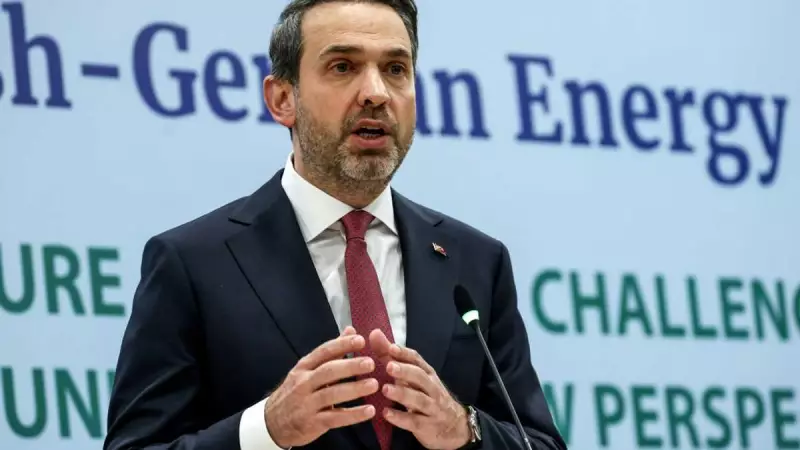
Energy Minister Alparslan Bayraktar delivered the message while speaking to journalists in Istanbul on Wednesday. He stressed that any attack on energy facilities would have severe consequences far beyond the battlefield.
"We tell all the parties, in Russia and Ukraine: keep the energy infrastructures out of this war, because this is very much linked to people's daily lives," Bayraktar stated. He pointed out that energy sites in both nations have already been struck repeatedly since the war began.
The minister's warning follows a series of incidents last week. On Friday, two empty oil tankers were hit by explosions off Turkey's Black Sea coast. At least one was heading to a Russian port. A Ukrainian security source claimed responsibility, saying naval drones targeted vessels that were covertly moving Russian oil.
A third tanker, traveling from Russia to Georgia, was struck on Tuesday. Russia blamed a Ukrainian drone, but Kyiv denied any involvement in this particular attack.
The Critical Need for Uninterrupted Energy Flows
Bayraktar emphasised the strategic importance of keeping energy moving through key regional channels. "We need to keep energy flows uninterrupted in the Black Sea, in our straits, as well as through the pipelines," he said.
He acknowledged the complex reality of the conflict, where Ukraine's energy grid has been a primary target for Russian strikes, and Ukrainian forces have, in turn, attacked energy facilities inside Russia.
The situation puts Turkey, which relies on energy imports from multiple sources including Russia, in a delicate position. Bayraktar explained that Russia has been a major and historically reliable gas supplier for Turkey since the late 1980s.
"In some years their market share was 60 percent. Last year it was around 40 percent," he noted, highlighting the significant volume of trade.
Balancing Supply Security and International Pressure
Ankara faces pressure from Washington to reduce its reliance on Russian oil and gas. During a White House meeting in September, former US President Donald Trump told Turkish leader Recep Tayyip Erdogan that the best move would be to stop buying from Russia.
However, Bayraktar defended Turkey's approach, stating that Ankara has been transparent with the US about its supply needs and long-term contracts. "Security of supply is our number one priority," he declared.
He outlined Turkey's strategy of diversification to avoid over-reliance on any single country. "We need gas from Russia, we need gas from Iran, we need gas from Azerbaijan and plenty of other sources," Bayraktar said.
Talks are currently underway with Moscow to extend a major gas contract set to expire on December 31. Bayraktar confirmed that deliveries from Gazprom are expected to continue next year.
For now, Turkey is focusing on short-term contract extensions of about one year as it seeks "cheap, competitive and secure gas supply for the Turkish market." The minister's stark warning underscores how the war's ripple effects continue to threaten global economic stability.




