
Dangote Refinery Second Unit to Add 700,000 bpd
Dangote Petroleum Refinery begins construction of a second crude processing unit, boosting capacity by 700,000 bpd, aiming to make Nigeria a major fuel exporter.

Dangote Petroleum Refinery begins construction of a second crude processing unit, boosting capacity by 700,000 bpd, aiming to make Nigeria a major fuel exporter.
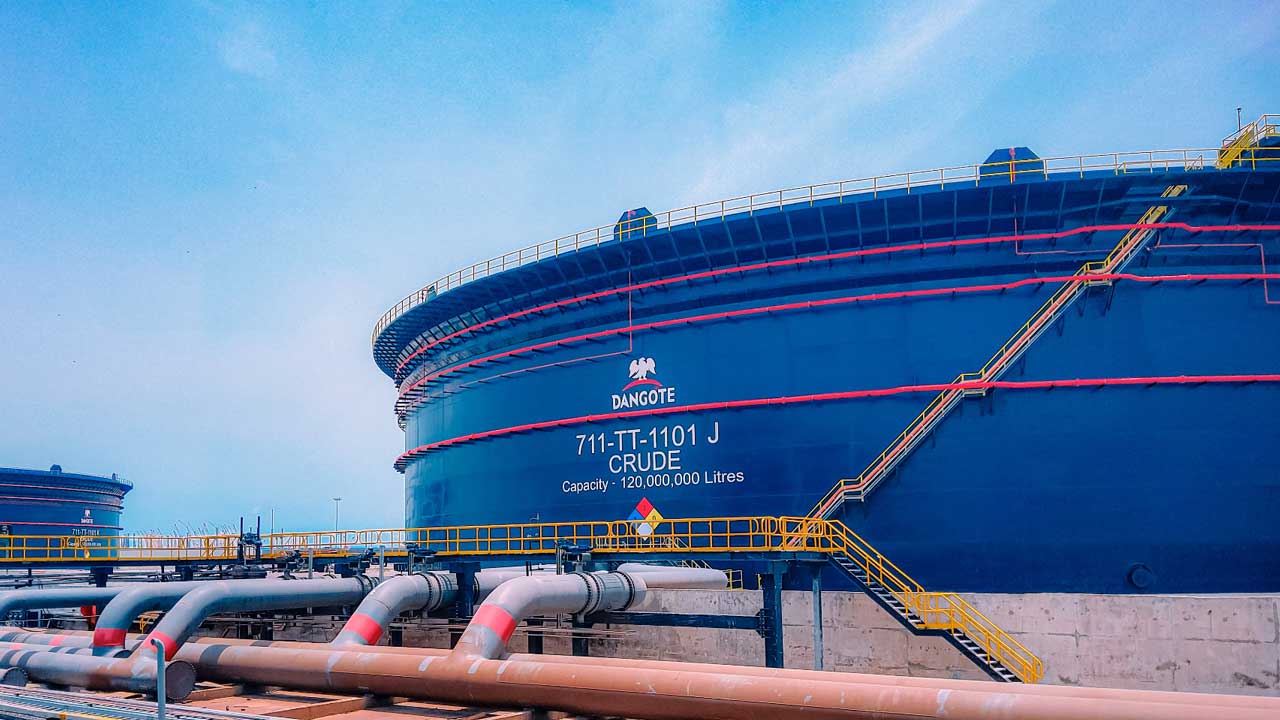
Dangote Refinery CEO David Bird announces a jet fuel surplus, positioning the 650,000 bpd refinery for global exports amid market volatility and rising aviation fuel costs in Nigeria.
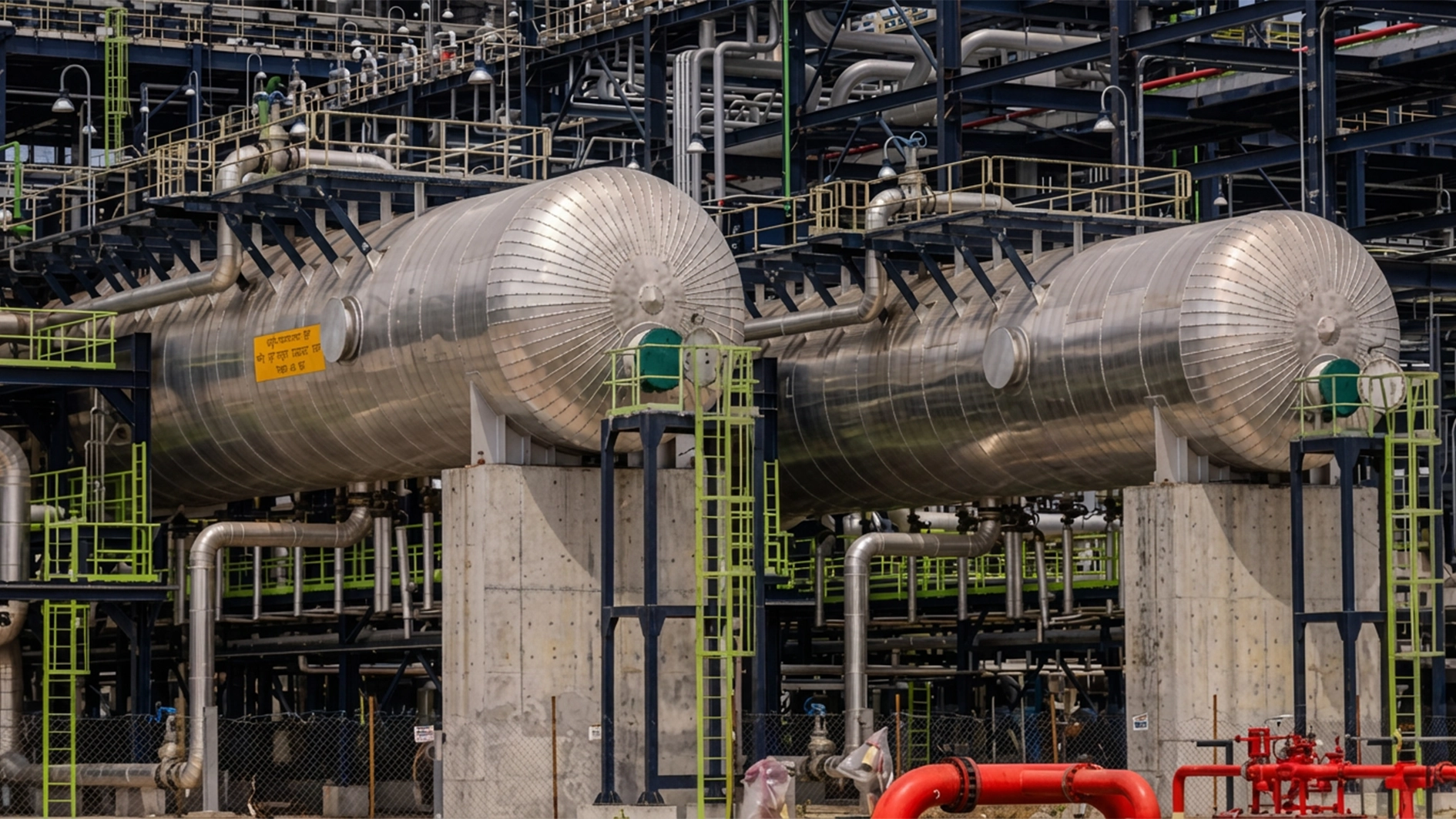
Dangote Refinery raises crude processing to 700,000 bpd, surpassing nameplate capacity. Plans to reach 1.4 million bpd in 30 months, boosting Nigeria's energy security.
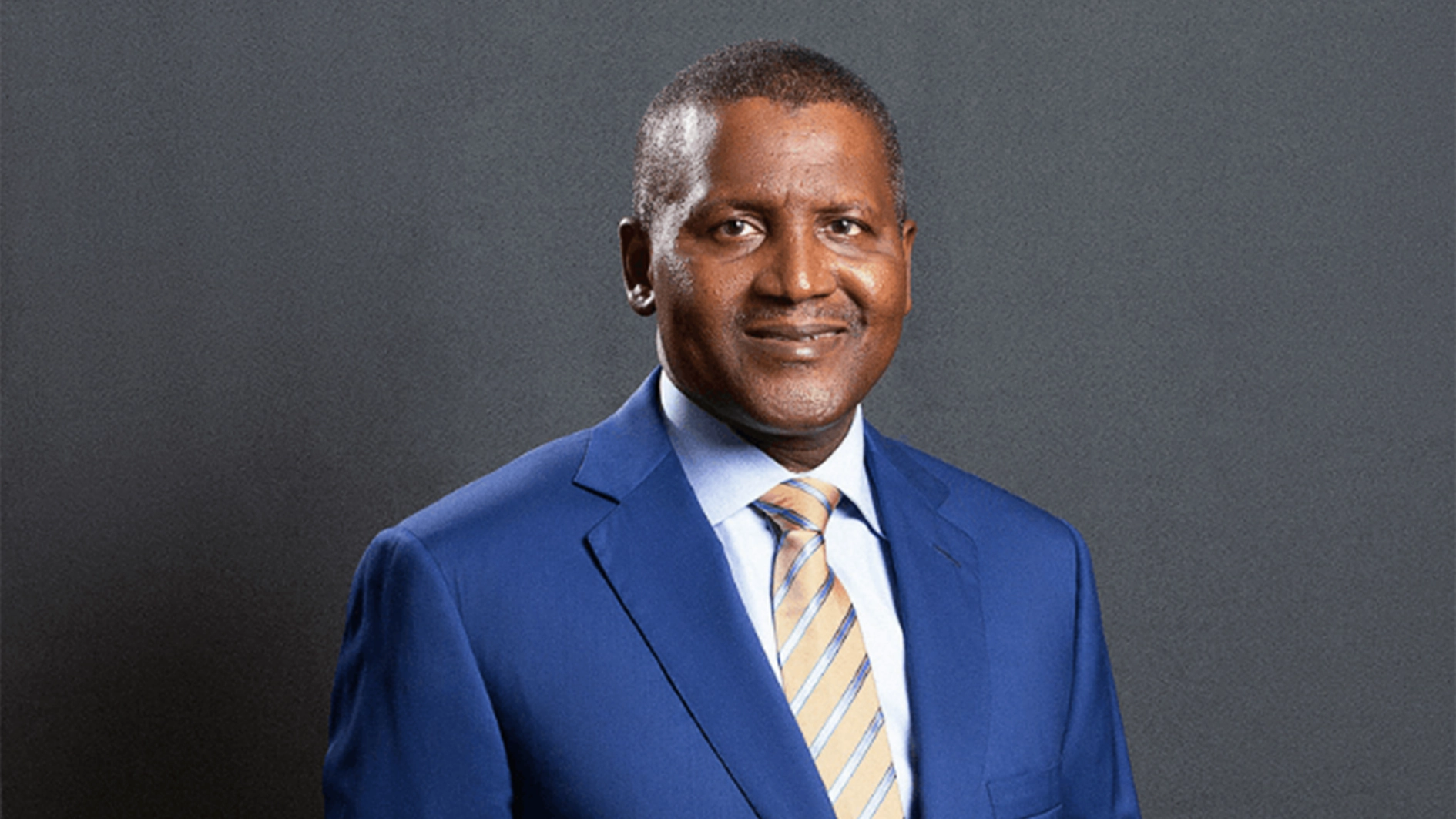
Dangote Refinery increases capacity to 700,000bpd, surpassing nameplate, as it aims to double to 1.4mbpd within 30 months, boosting Nigeria's energy self-sufficiency.

Despite Dangote Refinery cutting petrol price by N25 per litre, most filling stations in Nigeria have not reduced pump prices due to distribution costs and high inventories.
)
Petrol prices in Nigeria fall below ₦1,300 per litre as Dangote Refinery reduces ex-depot price to ₦1,250. Volatility persists, impacting transport and living costs.
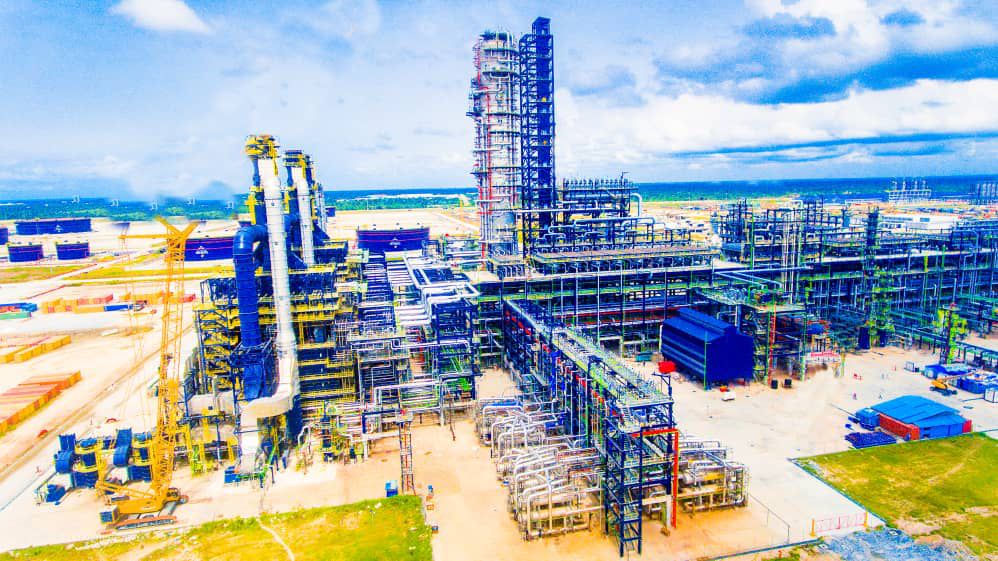
The Dangote Refinery in Lekki, Lagos, is more than an industrial project; it redefines Nigeria's sovereignty by transforming crude oil into domestic products, reducing import dependence, and enhancing energy security.
Dangote Refinery reduces petrol price to N1,252 per litre as depot operators intensify competition. Experts predict further cuts amid falling crude oil prices.
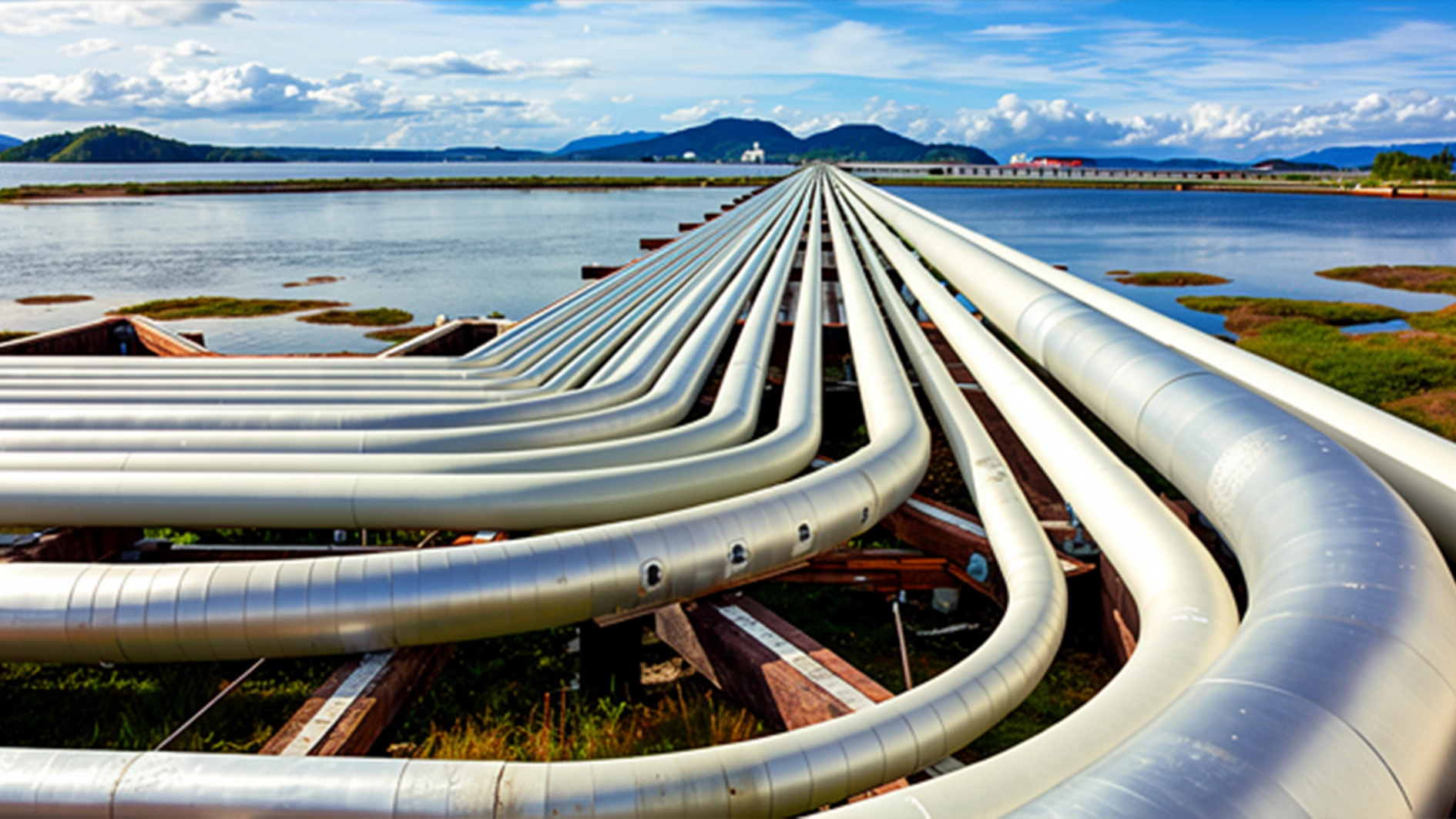
Nigerian independent oil producers account for 75% of Africa's top 10 independent oil companies, per Wood Mackenzie report, boosting Nigeria's upstream sector.

Tein Jack-Rich, Nigerian oil magnate, entrepreneur, and philanthropist, has a net worth over $1 billion. Learn about his companies, wife Elizabeth, and political journey.
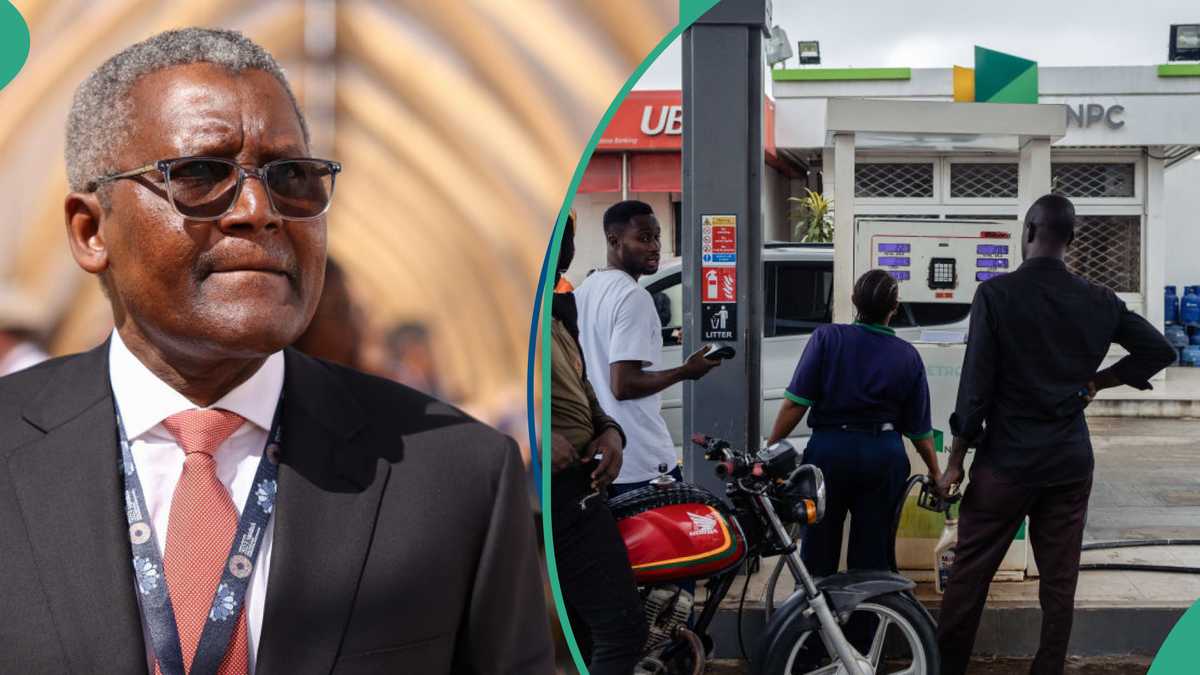
Dangote Petroleum Refinery may reduce petrol and diesel prices again as Lagos depots offer lower rates, intensifying competition in Nigeria's downstream petroleum market.

Petrol price in Nigeria surged over 600% from N175 to N1,300-N1,400 per litre since May 2023, driven by fuel subsidy removal, forex reforms, and global oil shocks.

Dangote Refinery plans to expand crude processing from 40 to 130 grades, double capacity to 1.4 million bpd, and cut costs below $2 per barrel.

Cameroon's new Mboro refinery will begin fuel production in December 2026, meeting 22% of domestic demand and reducing reliance on imports.

NBS report shows Lagos, Katsina top cooking gas prices in April 2026, while Anambra, Ogun record lowest. Prices surged 13.73% month-on-month.

Dele Oye and NECA criticize Nigeria's energy reforms, citing N30.3 trillion NNPCL debt, high fuel costs, and unreliable power despite government claims of progress.
NNPC reports 37% rise in crude oil sales to 23.65m barrels in April 2026, driven by higher production and improved facility uptime, while gas sales dip slightly.
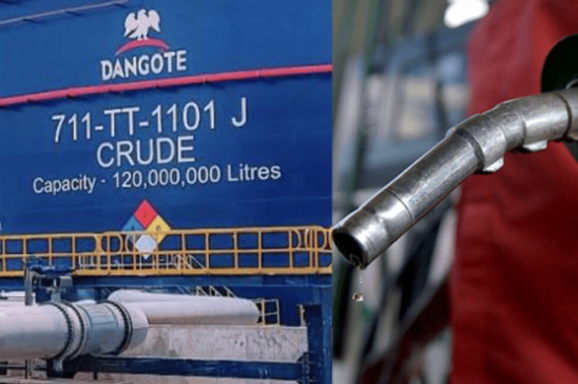
Dangote Refinery reduces petrol price by N25 per litre and diesel by N100 per litre, offering relief to consumers amid fluctuating fuel costs.
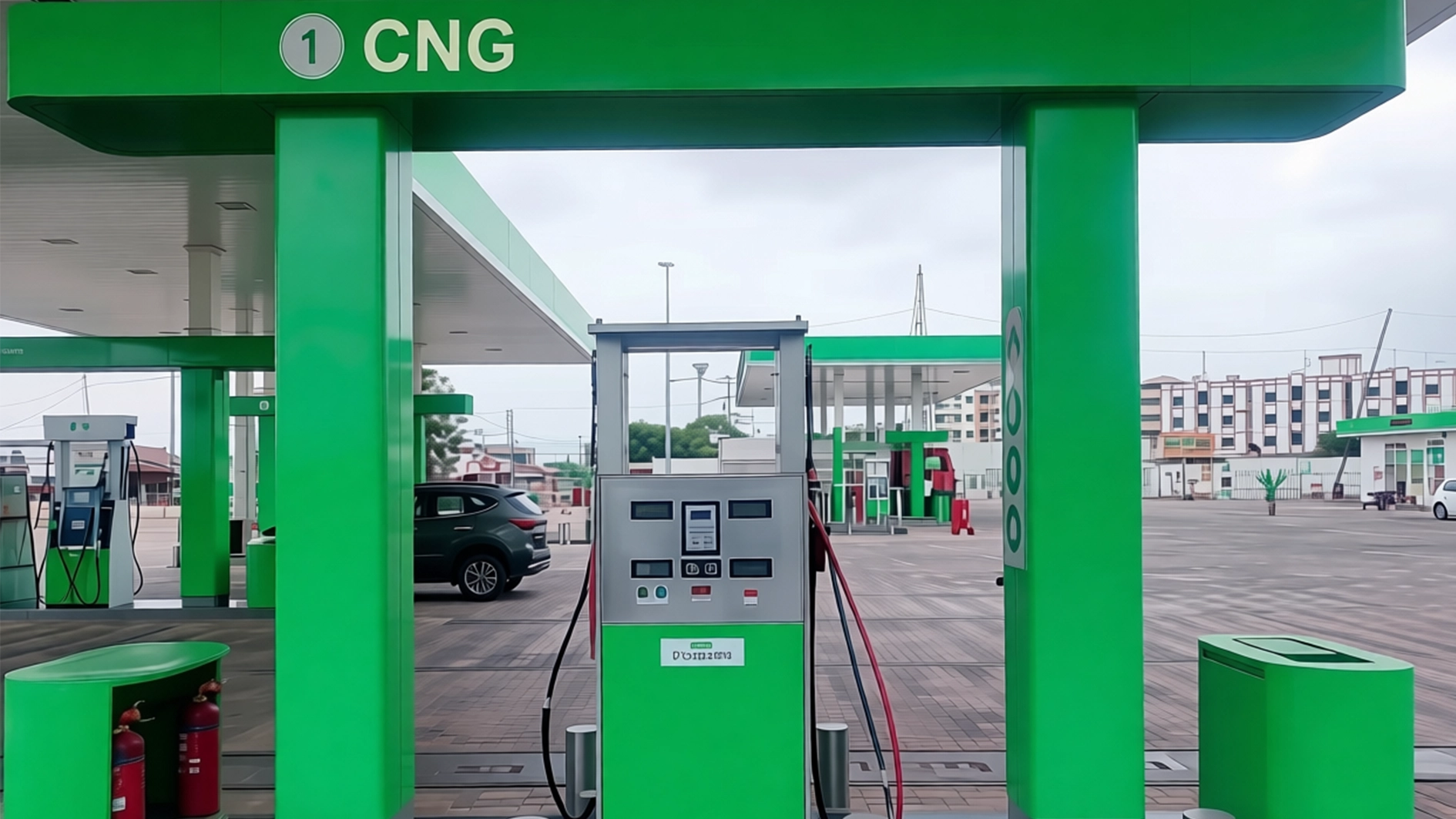
President Tinubu commissions new CNG infrastructure in Abuja, Lagos, and Owerri to boost gas adoption for transportation, targeting one million vehicles.
Labour unions in Nigeria and Africa reject the AfDB-World Bank Mission 300 electricity initiative, warning it may increase debt without delivering sustainable power.
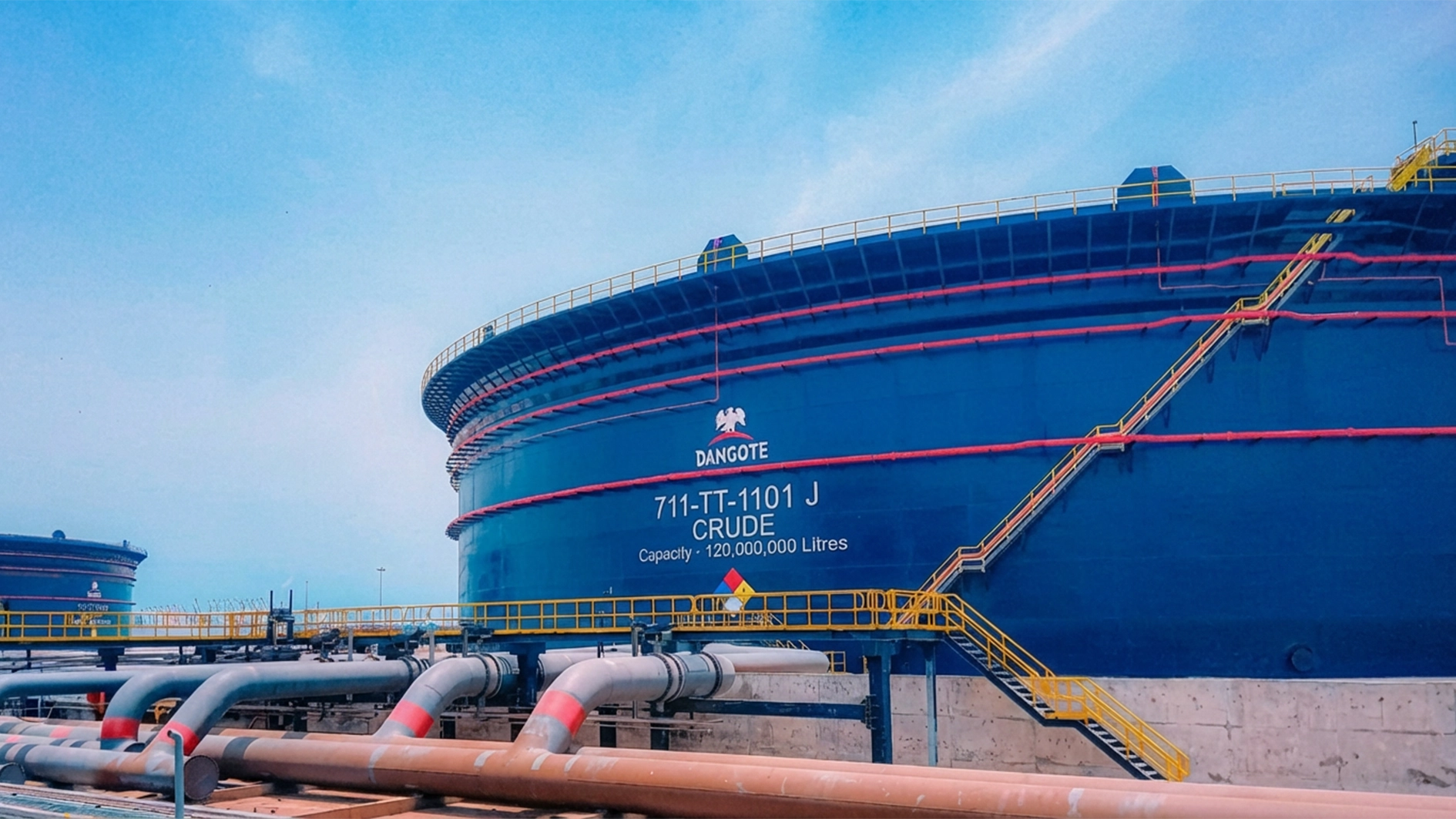
Dele Oye says Dangote Refinery can save Nigeria N15 trillion yearly in fuel import costs and generate $11 billion forex through local refining and exports.
Dangote Refinery's proposed IPO, valued at up to $50 billion, could raise $5 billion and reshape capital formation in Nigeria, offering naira shares with dollar-linked dividends.
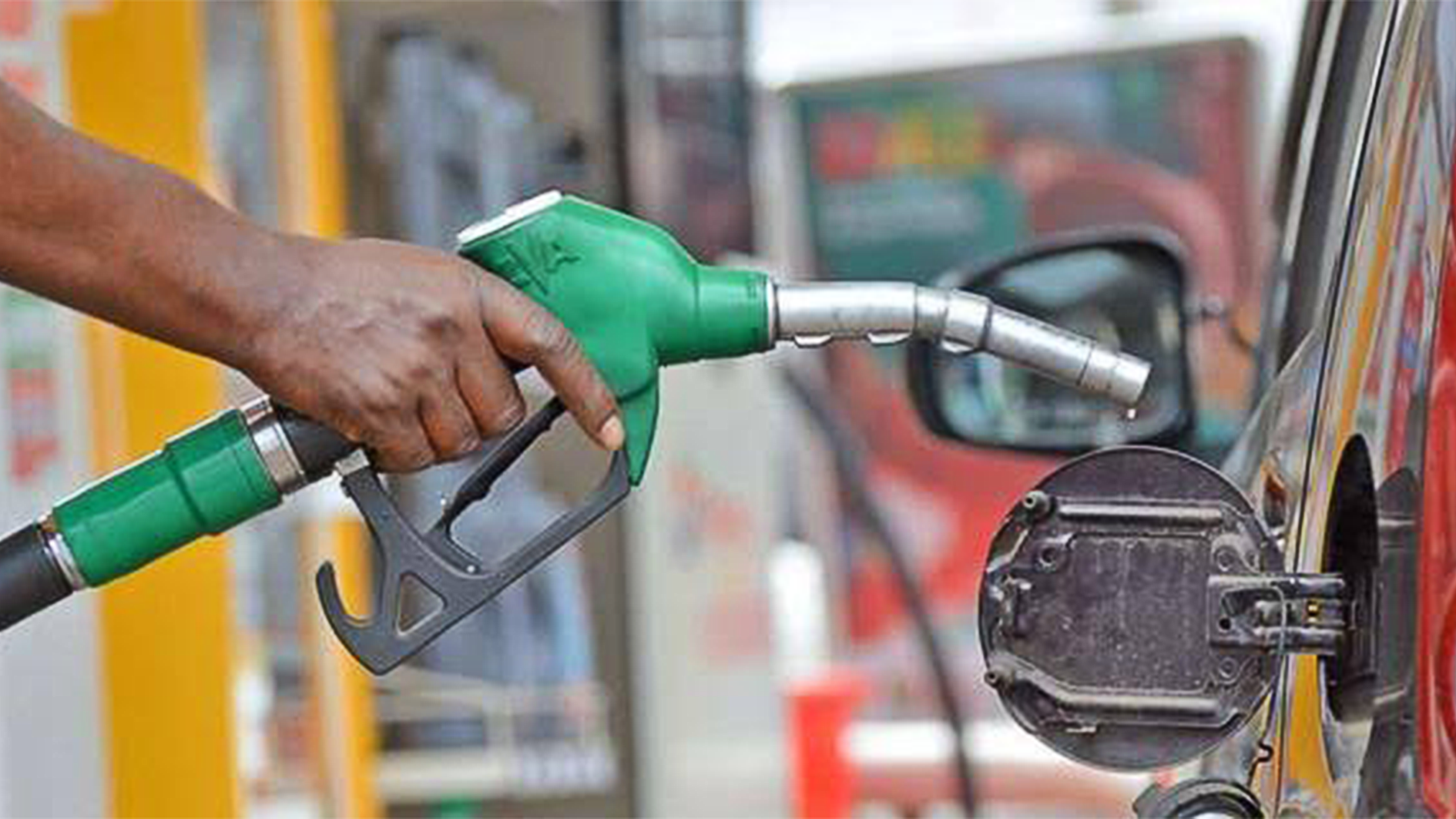
The IEA warns that rising global crude oil prices above $100 per barrel will sustain high fuel costs, worsening Nigeria's energy crisis with petrol over N1200 per litre.

Nigeria cancels $717.7m undisbursed World Bank loan for power sector reform, citing unmet conditions and economic shifts like naira devaluation.

Private depots in Nigeria reduce petrol prices below Dangote Refinery's gantry rate as global crude oil prices fall, offering cheaper options for buyers.
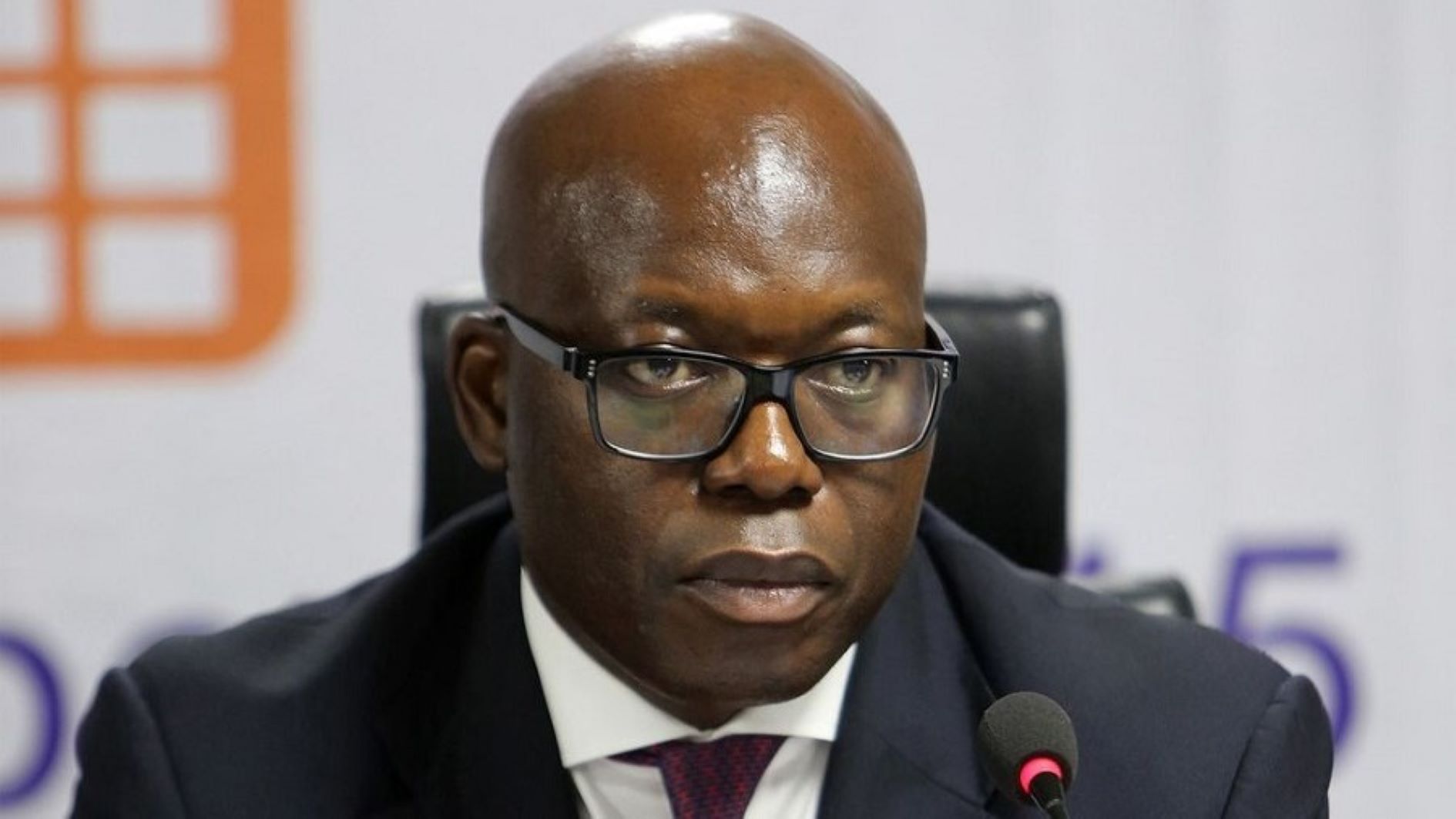
Oando CEO Wale Tinubu says global energy security concerns and economic pressures are prioritising hydrocarbon supply over rapid energy transition, with demand rising in developing nations.
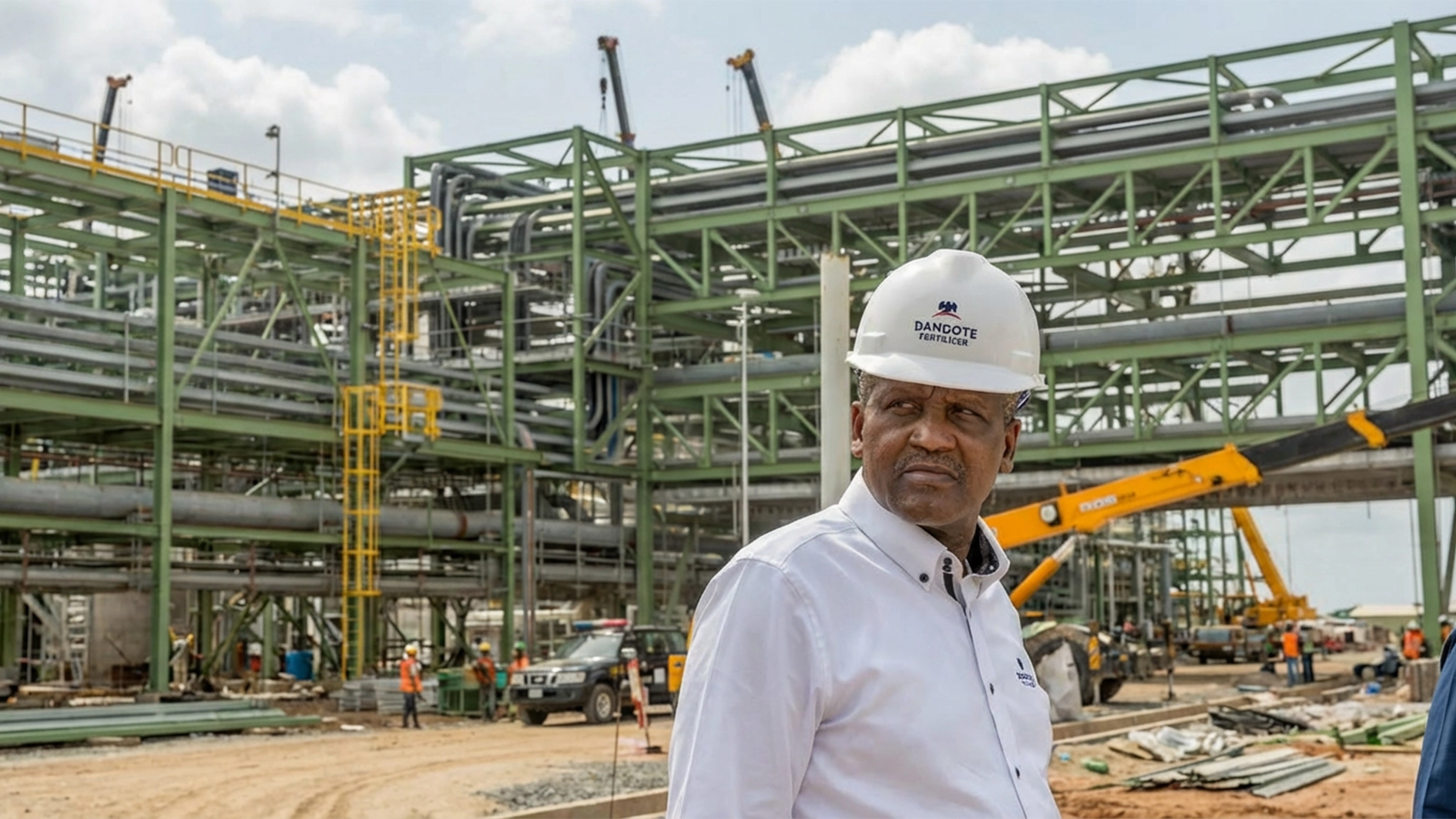
The Dangote Refinery is reshaping Nigeria's oil sector, reducing fuel import dependence and strengthening the economy, per the EIU.

The Federal Government, led by the AGF, defends against Dangote Refinery's suit to halt fuel import licences, with NNPC warning of energy security risks.

Cooking gas prices rise again in Nigeria, with a 12.5kg cylinder now costing over N18,000. Experts warn of more increases, pushing families toward alternatives.

Several NNPC filling stations in Lagos reduce petrol prices to between N1,300 and N1,315 per litre, following depot rate cuts across Nigeria.