
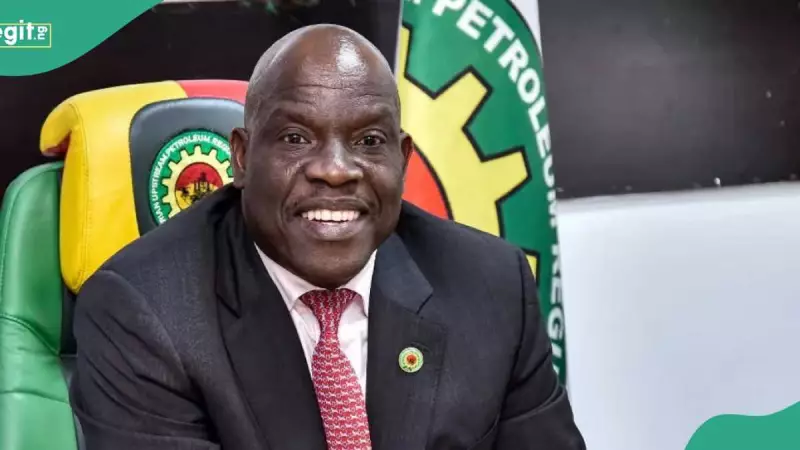
The landscape of African energy governance has undergone a significant shift with the election of a key Nigerian figure to a continental leadership role. Engr. Gbenga Komolafe, the Chief Executive of the Nigerian Upstream Petroleum Regulatory Commission (NUPRC), has been elected as the new Chairman of the African Petroleum Regulators Forum (AFRIPERF).
This strategic move, announced on 6 December 2025, coincides with the decision to establish the Forum's official headquarters in Nigeria. The dual development has been widely hailed as a pivotal moment for fostering regulatory unity and energy integration across Africa.
A Dual Endorsement for Nigeria's Leadership
The West African Centre for Oil Governance (WACOG) was quick to applaud the decision. In a statement signed by its Executive Director, Dr. Mensah Kofi Adjei, the Centre described Komolafe's emergence and Nigeria's selection as host as a profound dual endorsement.
WACOG's analysis indicates this reflects a growing continental recognition of Nigeria's capacity to lead in shaping Africa's energy future. It also underscores the country's commitment to advancing modern and transparent regulatory practices within the vital oil and gas sector.
Dr. Adjei emphasized that Komolafe's appointment marks the beginning of an ambitious new phase aimed at harmonizing petroleum regulatory frameworks from Cape to Cairo. The Forum's mandate demands a leader with both a panoramic continental view and deep industry expertise—qualities WACOG asserts Komolafe possesses in abundance.
Steering Africa Through Complex Energy Challenges
The leadership change comes at a critical juncture. African petroleum regulators are navigating a complex array of challenges, including shifting global energy dynamics, rapid technological innovation, and the urgent need to leverage hydrocarbon resources responsibly for sustainable economic development.
AFRIPERF, under its new leadership, is expected to drive reforms that will ensure African regulators can speak with a stronger, collective voice on the global stage. Key priorities will include:
- Securing financing for a just energy transition.
- Guaranteeing investment security for international partners.
- Developing standardized emissions monitoring standards.
- Facilitating cross-border energy infrastructure projects.
- Strategically defending the market for African crude oil.
"We are confident that Engr. Komolafe will bring the clarity, structure, and foresight required to position African regulators as united, capable, and strategically aligned in this new era," the WACOG statement affirmed.
Strategic Benefits and a Call for Capacity Building
Locating the AFRIPERF secretariat in Nigeria is a strategic victory for West Africa. It will allow neighbouring countries to benefit directly from Nigeria's extensive regulatory experience, technical expertise, and institutional memory in upstream petroleum governance.
WACOG strongly urged all member-states to offer full cooperation to the new leadership, stressing that a unified platform is essential for improving investor confidence and enhancing continental energy security.
The Centre also issued a crucial recommendation: AFRIPERF must prioritize capacity building. Many regulatory bodies across Africa still face structural gaps that hinder effective oversight of complex upstream operations. Komolafe's tenure is seen as an opportunity to transform African regulators from isolated entities into a coordinated bloc capable of defending the continent's core economic interests.
WACOG reaffirmed its readiness to collaborate on research, training exchanges, and policy dialogues to strengthen the regional regulatory landscape.
This election is viewed as a defining moment for Africa's oil governance, signaling an accelerated drive toward regulatory modernization. It follows a period of notable performance for Komolafe's NUPRC, which reportedly delivered N8.79 trillion in revenue to the Federation Account between January and October 2025, with October alone contributing N873.10 billion—a rise attributed to stronger royalty enforcement and improved oversight.




