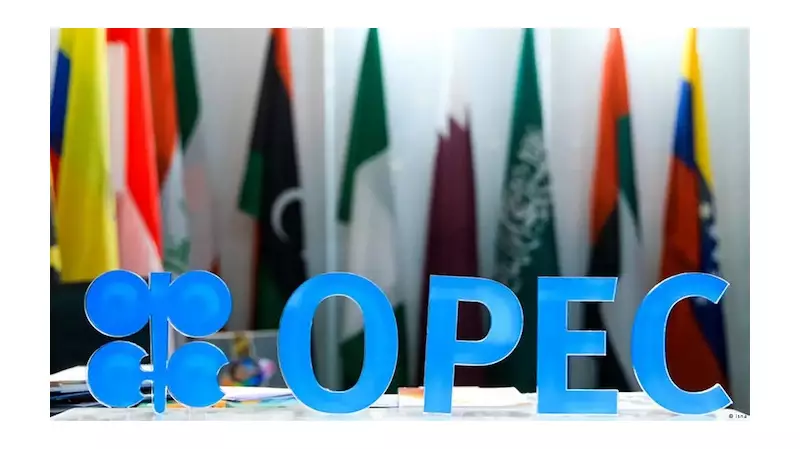
The Organisation of Petroleum Exporting Countries (OPEC) has decided to keep Nigeria's official crude oil production level unchanged. The country's quota will remain at 1.5 million barrels per day (bpd), a volume set to stay in place until the end of December 2026.
Strategic Move for Market Stability
This decision is part of a broader agreement among OPEC and its non-OPEC allies, often called OPEC+. The group aims to maintain stability in the worldwide oil market by rolling over existing production targets for Nigeria and other participating nations. The framework for this cooperation is the Declaration of Cooperation (DoC), first established in 2016, which OPEC has reaffirmed its commitment to.
Key elements of the latest agreement include a firm reaffirmation of the overall crude production levels for all DoC countries, as originally decided at the 38th OPEC Ministerial Meeting. This collective output ceiling will now extend through to December 31, 2026.
Ongoing Monitoring and Compliance
To ensure members adhere to their commitments, the Joint Ministerial Monitoring Committee (JMMC) will continue its vital oversight role. This committee is tasked with reviewing global oil market conditions and national production data. It will convene every two months to assess the situation.
The participating countries also stressed the critical importance of full conformity with the agreed production levels. The group reiterated the use of a compensation mechanism for any country that has produced above its assigned quota, ensuring any overproduction is offset in future months.
Planning for the Future: The 2027 Baseline
Looking beyond the current agreement, OPEC and its partners are already preparing for 2027. The participating countries have approved a new assessment mechanism developed by the OPEC Secretariat. This tool will be used to evaluate each nation's Maximum Sustainable Production Capacity (MSC).
The results of this assessment will then form the basis for setting new production reference baselines for all DoC members in 2027, guiding the next phase of output agreements.
Key OPEC+ Nations Reaffirm Cautious Stance
In a related development, eight major OPEC+ countries, including Saudi Arabia, Russia, and the United Arab Emirates (UAE), held a separate virtual meeting. They examined current market fundamentals and reaffirmed their dedication to a stable market, pointing to a steady global economic outlook and healthy conditions reflected in low oil inventories.
These nations confirmed they would maintain a cautious and flexible approach regarding any voluntary production adjustments they had previously announced. They also committed to fully compensating for any volumes they may have overproduced since January 2024. To stay closely aligned, these eight countries plan to hold monthly meetings to review market conditions, conformity levels, and compensation progress.