
Trump's Iran Decision Triggers Sharp Drop in Global Crude Oil Prices
International benchmark Brent crude oil and West Texas Intermediate futures experienced a dramatic decline of up to 10% following an announcement by former US President Donald Trump. The decision to pause planned military strikes on Iranian energy infrastructure, which Trump described as the result of "very good and productive" talks with Iran, has significantly eased geopolitical tensions in the Middle East.
Immediate Impact on Oil Markets and Nigerian Expectations
Brent crude initially dropped to approximately $98 per barrel before recovering to around $104, while West Texas Intermediate fell to roughly $91 per barrel. This substantial decrease in global crude prices has immediately sparked widespread calls from Nigerian consumers for corresponding reductions in domestic petrol pump rates. Despite crude prices falling from about $113 to near $99 per barrel, fuel prices within Nigeria have remained stubbornly high, creating a growing disparity between international market movements and local consumer costs.
Current Nigerian Fuel Price Reality Versus Global Trends
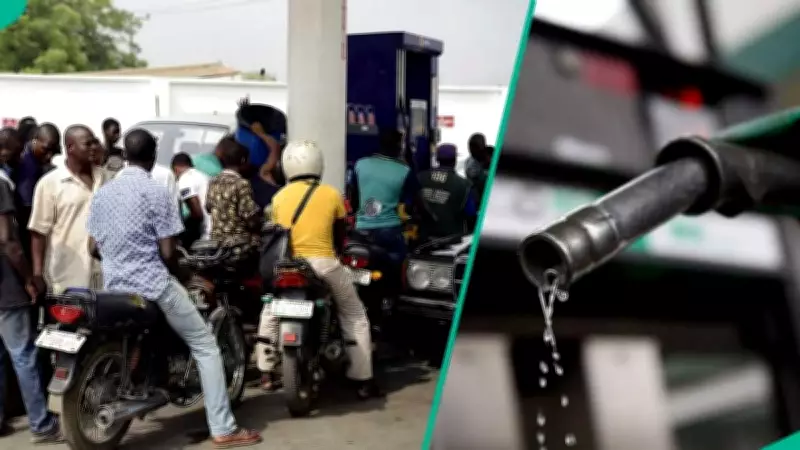
Data reveals that Premium Motor Spirit (petrol) prices have surged from N799 to approximately N1,275 per litre within a relatively short period, representing an increase of roughly 60%. Similarly, Automotive Gas Oil (diesel) has climbed steeply from N880 to about N1,750 per litre. Although some depot prices have shown slight declines, petroleum marketers have yet to pass on this relief to end consumers, with many filling stations continuing to sell petrol above N1,300 per litre.
Industry sources indicate that petrol marketers attribute this delay to legitimate concerns over potential losses on existing stock inventories. As one source explained, "Prices rose quickly when crude increased, but now that prices are falling, marketers are being cautious." The President of the Petroleum Products Retail Outlets Owners Association of Nigeria has emphasized that pricing dynamics should largely follow supply and demand principles under Nigeria's deregulated downstream petroleum sector.
Economic Consequences of Sustained High Fuel Prices
The persistently high fuel costs have continued to exert upward pressure on transportation fares across Nigeria, with commuters reporting increases of up to 50% in various regions. Small businesses and transport operators are experiencing shrinking profit margins and higher operating costs, exacerbating existing economic pressures on households and enterprises throughout the country.
Recent Fuel Price Adjustments by Major Marketers
Earlier developments saw the Nigerian National Petroleum Company Limited increase petrol prices across its retail outlets, raising pump prices in Lagos from N1,230 to N1,330 per litre. In Abuja, prices rose from N1,260 to N1,361 per litre, reflecting adjustments amid previous crude oil cost increases and supply pressures. Other regions saw similar adjustments, including N1,335 per litre in Anambra and N1,330 per litre in Borno. MRS Oil Nigeria Plc also announced upward price reviews during this period.
Opportunities for Nigeria's Energy Sector
Industry experts note that while global oil price volatility presents certain risks, it also creates significant opportunities for Nigeria's energy sector. Industry leaders suggest that Nigeria can strengthen its domestic energy infrastructure by better leveraging local refining capacity, particularly through facilities like the Dangote refinery, and improving supply chain logistics to create more alignment between domestic fuel prices and global crude movements.
The current situation places particular focus on how quickly Nigerian petroleum marketers, including major refiners, will respond to the global price decline and whether consumers will ultimately benefit from the reduced crude oil costs resulting from eased geopolitical tensions in the Middle East.




