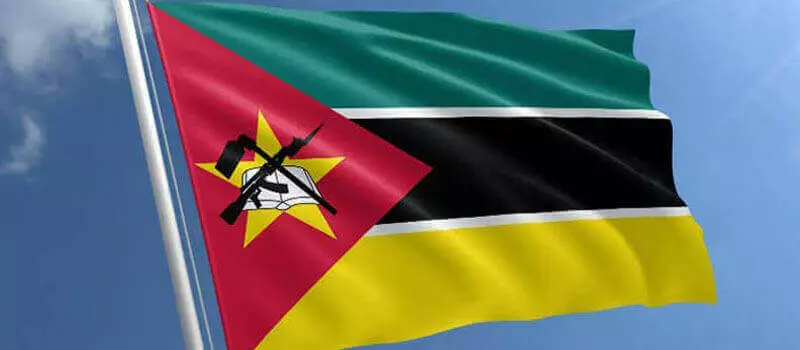
In a significant move impacting Africa's energy landscape, the United Kingdom has officially withdrawn its offer of a substantial loan to support a major liquefied natural gas (LNG) project in Mozambique. The decision, announced on Monday, 1st December 2025, sees Britain pulling back up to $1.15 billion in financing for the venture led by French energy giant TotalEnergies.
Why the UK Pulled the Plug on Financing
The UK government, through its export credit agency UK Export Finance (UKEF), stated that supporting the project no longer aligns with British interests. Business Secretary Peter Kyle clarified the position, noting that while such choices are difficult, the government believes financing the Mozambique LNG initiative will not advance the UK's interests. This withdrawal comes despite the project being initially viewed as beneficial for Britain.
The backdrop to this financial pullout is a complex history of violence and delay. The $20-billion LNG project in Mozambique's northern Cabo Delgado province was forcibly paused in 2021 following a brutal jihadist attack that claimed an estimated 800 lives. TotalEnergies declared a force majeure, halting all operations.
Project Restart and Mounting Tensions
In a turn of events in October 2025, a consortium led by TotalEnergies announced it would lift the suspension on work. However, the restart came with a hefty price tag for the Mozambican government. The company, which owns a 26.5 percent stake, sought to recover $4.5 billion in cost overruns linked to the three-year delay, requesting the Mozambican state cover these expenses.
This demand has sparked controversy. Mozambican and international non-governmental organisations have accused TotalEnergies of holding the country "hostage" by imposing what they call "ultra-favourable" conditions for resuming work. TotalEnergies has stated its aim to resume production by 2029, pending approval of its new budget plan by Mozambique.
Broader Implications for Mozambique and the Region
The UK's decision is a blow to Mozambique's economic ambitions. The gas fields in Cabo Delgado, which also involve Italy's ENI and America's ExxonMobil, have the potential to be transformative. A 2024 Deloitte report suggested these projects could propel Mozambique into the world's top ten natural gas producers, contributing up to 20 percent of Africa's total production by 2040.
However, the path forward is fraught with challenges beyond financing. Environmental groups have labelled the LNG developments "climate bombs," arguing they will bring minimal benefit to ordinary Mozambicans. This criticism is sharpened by World Bank data indicating that over 80 percent of Mozambicans lived below the poverty line of $3 per day in 2022.
Despite withdrawing support for this specific project, Business Secretary Kyle reaffirmed the UK's commitment to its partnership with Mozambique. He emphasised the UK's dedication to backing British exporters through UKEF and to building long-term, respectful relationships with African nations to foster sustainable growth, tackle climate change, and address insecurity.